







Lasersec Technologies

Counterfeiters are all over the field, and they are not leaving any business untouched. It hurts business most in this regard, is the automobile industry for more than one reason. Since its inception, the counterfeit practice has grown to become nearly equal to that of the original in many aspects.


So much so, any authorized dealer will tell you how much loss they incur because somewhere in the supply chain, the counterfeiters enter the scene and complicate the situation. More importantly, little administrative intervention or attention has been given in this regard.

Society of Indian Automobile Manufacturers or SIAM has staggering statistics for everyone- as much as 47 percent of the total aftersales market is full of counterfeits. It amounts to somewhere roughly between 4,400 crores to 6,300 crores. Given that the total export amounts to 55,300 crores, which is a hefty amount given away to the fake dealers. Surely, it needs to stop, and it must start with the counterfeit parts problem.

Fake parts are the biggest possible compromise made in this regard, but not anymore. Not only fake parts cause trouble for the market with the breakdown of customer trust, but it costs a good sum of revenue which makes it no less than a criminal offense.

Locating the Areas of Concern

Since the automobile industry is an extensive network spread across the country, it becomes difficult to track down the fake parts dealers. The dangerous liaisons between the dealers and counterfeit manufacturers are most prominent in small towns and metros. In a country as big as India, it is nearly impossible to trace the unregistered and unorganized channels, street-side vendors who sell from fly-by-night shops and self-proclaimed mechanics.

The problem is so big in the unorganized sector that local auto markets thrive on this practice to expand themselves and often gains legitimacy among certain people because they are cheap alternatives. Hence, the resistance against this has to be twofold.

First, one needs to hunt down these parasitic practices by locating their sources one by one. Secondly, the need to educate dealers and customers is more than ever nowadays. Only by simultaneously addressing these two problems is it possible to curb this growing menace. Another complaint that is often heard is that there is a little availability of original parts in distant places so cheaper and counterfeit alternatives become the order.

Fighting a Growing Concern by Law

Often, the natural assumption in this regard is that fake products are only for smaller brands since big names are not so pervasive. However, you will be surprised that names like BMW and Mercedes-Benz have a vast number of fake parts circulating all around India. In fact, while an original Mercedes-Benz product bears a code, a hologram, and the perfect ring, customers often don’t know how to differentiate the original from the fake.

More importantly, Mercedes has only 26 authorized showrooms across India, but most customers don’t know that, and they end up falling for fake products. It is only the tip of the iceberg to be honest since there are more such practices like this for many other brands.

The most problematic aspect of this practice is that these parts undergo no tests so they can break down at any moment. Once fake parts are used, the lifespan of these parts get reduced, and it survives for lesser days. So begins the vicious cycle until one day, your car succumbs to a terrible accident. Obviously, there is a Trade Marks Act, 1999 that states a fine ranging from 50,000 to 2 lakhs for anyone who engages in such practice along with possible jail time up to three years. But, that hardly seems to deter the practices.

Customers Are The Greatest Force

While it is evident that laws are rarely implemented, and there are plenty of loopholes in the system, the most considerable force of resistance can come from the consumers themselves. Smaller parts such as clutch plates, brake liners are often the easiest to copy and also, hardly detectable. Hence, such practices start from this level and then advances until it absorbs everything. Already, numerous players have come forth in this regard to educate the uninitiated about the intricacies of this fake network. Almost all companies would tell you that their customers are often clueless about brand design and holograms, but they never say anything about fraudulent practices. Hence, brands have understood that they need to

Almost all companies would tell you that their customers are often clueless about brand design and holograms, but they never say anything about fraudulent practices. Hence, brands have understood that they need to mobilize customers from all fronts by handing them guidebooks or giving them interactive lessons regarding the practice.

Often, customers think that counterfeit parts are cheap and it does not burn a hole in their pocket. But, they are playing with their and others’ lives without realizing it. This practice can only stop when the customers are given lessons on how fake parts look and what fake parts can do to your car. An awareness campaign, needless to say, is the need of the hour.

Fighting It Together

By joining hands with customers, automobile brands need to ensure that the dealers should also understand the dangers of this problem. Brands need to be stringent regarding this too. They need to blacklist dealers who are continuing this practice knowingly and warn the dealers who inadvertently engaged in it.

Moreover, each brand must note the fake brands that try to replace them and update their database accordingly. They should share their database with dealers as well as customers so that the clients don’t fall for them while buying. When a customer comes to buy a car, then it is imperative to teach him the basic lessons of counterfeit practices. Flimsy packaging, unclear colors, and fonts are hallmarks of such practice.

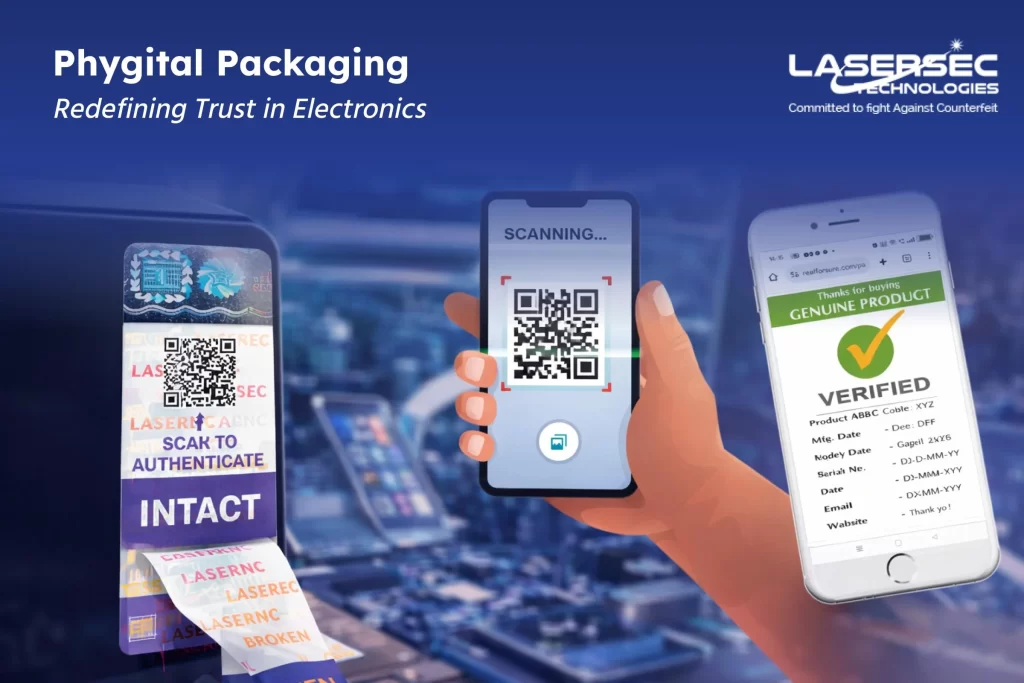
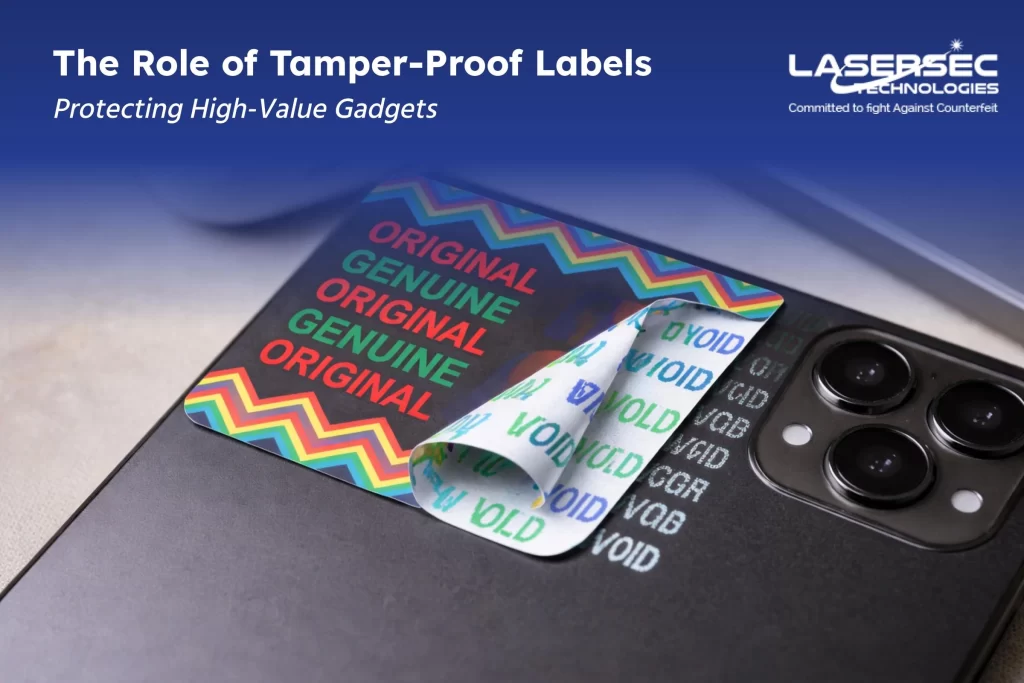
Nowadays, all big names have started implementing the holographic labels of their own to assure the customer of its genuineness. It is a commendable practice since holograms are the easiest way to tell a client that he or she can buy it without facing safety hazards. Only a combined effort from all quarters can defeat the octopus called counterfeit parts practice.
Share :

Related Blogs

Export-Ready Pharma Packaging- What Global Buyers Are Now Expecting

You’ve secured the order, production is complete, and your shipment is ready to move. But then, just before dispatch, your buyer asks:

“Does your packaging meet serialization and scan-based proof requirements?”

Imagine losing a million-dollar contract — not because of your medicine, but because your packaging failed to inspire trust. This is the reality many exporters face today. For global buyers, packaging has become the deciding factor between smooth delivery and a deal falling apart.

Why Packaging Standards Are Now Non-Negotiable

Global buyers are under pressure from regulators, distributors, and patients. They must ensure every product they source is traceable, authentic, and tamper-proof. That means export-ready packaging is no longer optional — it’s the foundation of international trade.

Key compliance must-haves include:

  • Track & Trace Systems – complete product visibility across the supply chain
  • Serialization – unique identifiers that meet global compliance norms
  • Tamper-Evident Features – seals or packaging that immediately reveal interference
  • Scan-Based Proof – QR codes or secure markings enabling instant authentication

Without these, buyers see risk — and in today’s market, risk means rejection. It’s not just about checking compliance boxes. Buyers want reassurance that:

  • Their shipments won’t face customs delays due to packaging gaps
  • They won’t be caught in regulatory disputes in importing countries
  • They can confidently show stakeholders a secure supply chain
For exporters, this transforms packaging into a proof of credibility. It’s no longer just a container — it’s part of your business reputation.

Regional Buyer Expectations: One Size Doesn’t Fit All

Every region enforces its own regulations. Understanding them isn’t just smart — it’s survival.

RegionKey Packaging ExpectationsWhat It Means for Exporters
European Union (EU)Strict serialization under the FMD (Falsified Medicines Directive) with database-driven verification.Packs must be registered and verifiable via EU hub. Non-compliant shipments are rejected at borders.
United StatesDSCSA (Drug Supply Chain Security Act) requires interoperability and traceability beyond serialization.Exporters must ensure their systems “talk” with US buyers’ systems for seamless data exchange.
Middle East & AfricaHigh counterfeit risks demand visible tamper-evidence + secure scan codes.Buyers expect seals and markings they can verify instantly at distributor level.

According to the WHO, 1 in 10 medical products in low- and middle-income countries is substandard or falsified — highlighting why MEA and APAC buyers demand extra layers of security.

Before shipping, ask yourself:

  • Does every pack carry a unique, scannable serialization code?
  • Is there a tamper-evident seal that cannot be replaced unnoticed?
  • Can my systems generate and share serialization data with buyers?
  • Do I have scan-based proof of authenticity ready for customs or audits?

If the answer is “no” to any of these, your packaging isn’t truly export-ready.

Indian pharma is globally respected for high-quality medicines. But as regulations tighten, packaging standards are becoming the new benchmark for trust.

Those who adapt quickly — with serialization, secure QR codes, and tamper-evident solutions — will stand out as reliable partners. On the other hand, exporters who delay risk losing contracts, not because of product quality, but because their packaging didn’t pass the credibility test.

Global buyers are no longer asking if your packaging is compliant — they’re asking how quickly you can prove it.

Export-ready packaging is now a business advantage, not just a compliance step. For exporters preparing to expand globally, investing in the right packaging solutions is no longer optional.

Because in today’s market, packaging isn’t just protecting your product — it’s protecting your growth.

At Lasersec Technologies, we partner with pharma exporters to ensure their packaging meets global serialization, traceability, and anti-counterfeit standards — helping you ship with confidence and win global trust.

Holographic Blister Packaging for CDSCO Compliance

India’s pharmaceutical landscape is undergoing a transformation — and packaging is at the center of it.
With the CDSCO’s new QR code and serialization mandates, every exported pharma product must now be secure, traceable, and tamper-evident.

For manufacturers, especially SMEs, this can feel like a complex compliance challenge.
But there’s a powerful, proven solution already within reach: Holographic Blister Packaging.

1. The New CDSCO Reality

To curb counterfeit drugs and ensure authenticity across the supply chain, the Central Drugs Standard Control Organization (CDSCO) now requires export-bound pharmaceutical products to carry:

  • Secure and scannable QR codes
  • Unique serialization at batch or unit level
  • Tamper-evident features on primary packaging
This means your packaging must do more than look professional — it must communicate trust, security, and transparency to regulators, distributors, and patients worldwide.

2. Why Holographic Blister Packaging Foils Are the Ideal Fit

Holographic blister foils are designed not just for visual appeal, but for multi-layered protection.
They merge optical security, digital traceability, and physical tamper resistance — all in one compact, cost-effective solution.

Key advantages include:

  • Built-in Anti-Counterfeit Security:
    Complex holographic patterns, diffractive designs, and hidden laser effects make duplication nearly impossible.
  • Tamper-Evident Layering:
    Any attempt to peel or alter the foil leaves visible damage — ensuring that the product cannot be resealed or reused undetected.
  • QR & Serialization Integration:
    Holographic foils can seamlessly integrate dynamic QR codes and serialized data, allowing regulators and end-users to instantly verify product authenticity.
  • Regulatory Compliance:
    They fulfill the CDSCO’s core requirements — secure labeling, traceability, and anti-tampering — without requiring major production line changes.
  • Supply Chain Visibility:
    When linked to digital Track & Trace systems, each blister pack becomes part of a transparent, verifiable export network.

3. How It Works

Each holographic blister foil is embedded with security layers visible and invisible to the naked eye.

When printed with unique serial numbers or QR codes, it creates a dual-authentication system:

LayerFunctionBenefit
Optical Security (Holography)Visually identifiable design that’s impossible to replicateInstant brand and regulatory authentication
Digital Security (QR + Serialization)Unique, scannable identity for every packEnables verification and traceability
Tamper EvidenceIrreversible visual damage on interferencePrevents resealing or counterfeit replacement

This layered approach makes it extremely difficult for counterfeiters to reproduce or reuse packaging — offering compliance with confidence.

4. Why SMEs Should Choose Holographic Blister Packaging

Unlike large-scale digital upgrades, holographic blister foils are scalable, adaptable, and cost-efficient.
For SMEs, this means:

  • No heavy capital investment in new lines
  • Immediate enhancement of regulatory readiness
  • Compatibility with existing packaging formats
  • Added brand value in export markets
It’s a simple way to make your products CDSCO-compliant and globally credible — without the complexity of building new infrastructure.

5. Beyond Compliance: Building Trust Across Borders

The global pharma supply chain thrives on transparency.
By adopting holographic blister foils, Indian exporters not only meet CDSCO and international labeling mandates but also strengthen brand trust with distributors and healthcare professionals abroad.

  • Regulators see transparency.
  • Distributors see authenticity.
  • Patients see safety.

And your brand earns long-term credibility in every market it reaches.

Secure, Scalable, and Future-Ready

The CDSCO’s labeling mandates are here to stay — but compliance doesn’t have to be complicated.

Holographic blister foils bring together the best of physical and digital protection, offering a ready-to-implement, regulation-compliant, and cost-effective solution for Indian pharma exporters.

At Lasersec Technologies, we specialize in custom-designed holographic blister foils that combine optical security, dynamic QR codes, and tamper-evident protection.
Our solutions are trusted by leading pharmaceutical manufacturers to safeguard brands, meet regulatory standards, and ensure patient safety.

Let’s help you make compliance your competitive edge — one blister pack at a time.