






Lasersec Logo
Loading

Lasersec Technologies

Leading Manufacturer of Anti-Counterfeit Solutions

Latest From Our Blogs

Anti-counterfeit packaging for export-focused cosmetic brands ensuring product authenticity

Exporting cosmetic products reflects growth, global acceptance, and rising consumer trust. However, international markets also bring stricter regulatory requirements and increased counterfeiting risks. Today, cosmetic exporters must ensure their packaging not only protects the product but also proves its authenticity and compliance.

Anti-counterfeit packaging has become essential for cosmetic brands expanding globally. It protects products from duplication and tampering, supports regulatory compliance, and ensures safe distribution across complex international supply chains.

What Is Anti-Counterfeit Packaging in Cosmetic Exports?

Anti-counterfeit packaging refers to the integration of security features such as holographic labels,tamper-evident seals,destructible labels, and digital authentication codes to prevent product duplication, tampering, and unauthorized replacement.

These packaging authentication solutions help cosmetic exporters:

  • Verify product authenticity across supply chains
  • Prevent counterfeit cosmetic products from entering markets
  • Ensure compliance with international packaging regulations
  • Protect consumers from unsafe or fake formulations
  • Strengthen brand protection and global credibility
Secure packaging acts as the first layer of defense against counterfeiting.

Why Secure Cosmetic Packaging Is Critical for Export Markets

Exported cosmetic products pass through multiple checkpoints, including customs authorities, distributors, warehouses, and retailers. At every stage, packaging serves as proof of product authenticity and integrity.

Without anti-counterfeit packaging, cosmetic brands may face:

  • Customs clearance delays or shipment rejection
  • Regulatory compliance issues
  • Product substitution or tampering risks
  • Authentication challenges for distributors
  • Increased exposure to counterfeit activities
Secure packaging helps regulators and partners quickly verify product authenticity, ensuring smoother export processes.

Counterfeiting Risks in Global Cosmetic Distribution

Counterfeit cosmetic products are a growing global concern, especially for premium and export-focused brands. High demand and complex supply chains create opportunities for counterfeiters to introduce fake products.

Common counterfeiting methods include:

  • Replicating cosmetic packaging designs
  • Refilling original containers with unauthorized formulations
  • Reusing genuine packaging for counterfeit products
  • Replacing products during storage or transit

These incidents can result in financial losses, shipment rejection, regulatory penalties, and long-term damage to brand reputation.

Anti-counterfeit packaging solutions help prevent these risks by making tampering visible and duplication difficult.

Key Anti-Counterfeit Packaging Solutions for Cosmetic Brands

Effective cosmetic anti-counterfeit packaging uses multiple security features to provide layered protection.

1. Tamper-Evident Labels and Seals

Tamper-evident labels provide visible proof if a product has been opened or altered. These seals break, tear, or show visible damage when tampered with.

Benefits include:

  • Immediate tamper detection
  • Increased consumer confidence
  • Improved regulatory compliance
  • Protection against unauthorized access

Tamper-evident labels are widely used on cosmetic bottles, jars, and cartons.

2. Holographic Security Labels

Holographic security labels are highly effective anti-counterfeit packaging solutions due to their complex optical structure, which is difficult to replicate.

Key advantages include:

  • Instant visual authentication
  • Strong counterfeit deterrence
  • Improved brand protection
  • Easy verification by distributors and regulators

Security holograms enhance both authentication and brand credibility.

3. Void and Destructible Labels

Void labels and destructible labels prevent unauthorized removal or reuse. When tampered with, they leave behind a permanent mark or break apart.

These features help:

  • Prevent label reuse
  • Detect tampering instantly
  • Maintain packaging integrity
  • Protect against product substitution

They are especially useful for cosmetic cartons and sealed packaging.

4. QR Codes and Digital Authentication

QR code-based authentication enables real-time product verification. Distributors, regulators, and consumers can scan codes to confirm authenticity.

Benefits include:

  • Improved supply chain traceability
  • Fast and reliable authentication
  • Increased transparency
  • Enhanced brand protection

Digital authentication strengthens anti-counterfeit protection throughout global distribution.

Supporting Compliance with International Cosmetic Regulations

Global cosmetic markets increasingly require packaging that supports authentication, safety, and traceability. Regulatory authorities expect cosmetic brands to implement preventive measures against tampering and counterfeiting.

Anti-counterfeit packaging helps cosmetic exporters:

  • Meet international packaging authentication requirements
  • Strengthen product traceability
  • Reduce customs inspection delays
  • Improve regulatory compliance readiness
  • Demonstrate commitment to consumer safety
Secure packaging simplifies regulatory verification and supports smoother export operations.

Protecting Cosmetic Brand Reputation in Global Markets

When cosmetic brands enter new markets, packaging plays a critical role in building trust. Any counterfeit or tampered product can damage brand credibility and consumer confidence.

Anti-counterfeit packaging helps brands:

  • Ensure only genuine products reach customers
  • Protect products across unfamiliar supply chains
  • Strengthen distributor confidence
  • Maintain brand integrity globally
  • Support long-term market expansion
Secure packaging reinforces trust among regulators, distributors, and consumers.

Anti-Counterfeit Packaging Solutions for Cosmetic Exporters

Implementing anti-counterfeit packaging solutions helps cosmetic brands strengthen product security and compliance across international markets. These solutions integrate with existing packaging formats while providing clear authentication and tamper evidence.

Security packaging enables cosmetic exporters to:

  • Prevent counterfeiting and product tampering
  • Improve authentication across supply chains
  • Support global regulatory compliance
  • Protect brand reputation and product integrity
  • Ensure safe and secure international distribution
By securing packaging, cosmetic brands reduce export risks and improve operational reliability.

How Lasersec Technologies Supports Cosmetic Brands with Secure Export Packaging

At Lasersec Technologies, we help cosmetic brands strengthen export readiness through advanced anti-counterfeit packaging solutions designed for global distribution. Our expertise includes holographic security labels, tamper-evident seals, destructible labels, and secure QR code authentication—each engineered to prevent tampering, enable product authentication, and support regulatory compliance.

Our solutions integrate seamlessly with existing cosmetic packaging formats while providing visible and verifiable protection across the supply chain. This helps brands reduce the risk of shipment rejection, improve authentication confidence among distributors and regulators, and protect product integrity in international markets.

By combining physical security features with authentication technologies, we enable cosmetic exporters to build trust, meet compliance expectations, and protect their brand reputation across global markets. You can also explore our complete anti-counterfeit product portfolio or contact our team for guidance.

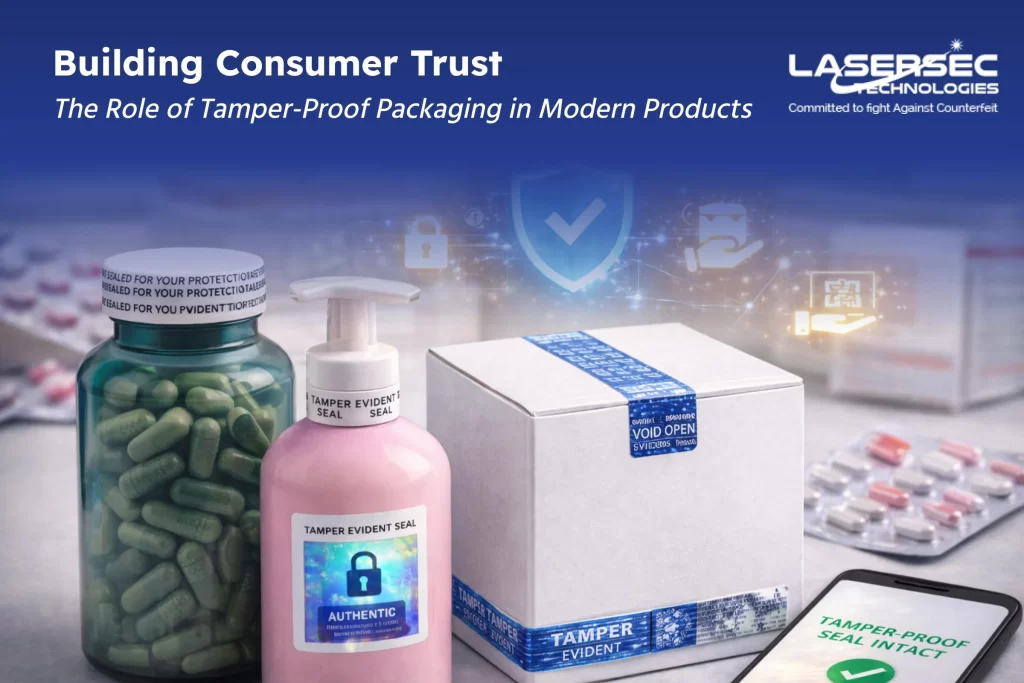
Tamper-proof seals on daily-use products ensuring safety and hygiene

A consumer picks up a bottle of cooking oil, a pack of biscuits, or a personal care product from a store shelf. Before checking the price or brand, there is a quiet, instinctive question:

Has this product been opened before?

In the FMCG sector, where products are consumed daily and often immediately, consumer trust is built in seconds. Tamper-proof seals play a decisive role in this moment. They provide visible proof of product safety, protect hygiene, and reassure consumers that the brand has taken responsibility seriously.

For FMCG brand owners, packaging professionals, and quality teams, tamper-evident packaging is no longer optional. It is a foundational element of consumer confidence and brand protection.

Why Tamper Evidence Is Critical in the FMCG Industry

Fast-moving consumer goods directly affect health, hygiene, and everyday well-being. Even a small doubt about product integrity can lead to immediate rejection.

Without effective tamper-proof packaging, brands face risks such as:

  • Loss of consumer trust at the point of purchase
  • Product rejection at first use
  • Brand damage amplified through social media and word of mouth
  • Regulatory and retailer compliance challenges

Unlike durable goods, FMCG products allow no margin for uncertainty. A broken seal, loose cap, or unclear opening mechanism can raise concerns about contamination, adulteration, or prior use.

Tamper-evident seals eliminate this uncertainty by providing clear, irreversible evidence of first opening.

What Are Tamper-Proof Seals and How Do They Work?

Tamper-proof seals are packaging features designed to make any unauthorized opening immediately visible and impossible to reverse without detection.

Common tamper-evident packaging mechanisms used in FMCG include:

Once opened, these mechanisms cannot return to their original state. This simple principle—open once, show forever—is what makes tamper-proof seals so effective for consumer safety and trust.

How Tamper-Proof Seals Reassure Consumers at the Point of Purchase

Consumers may not understand packaging technology, but they clearly understand visual safety cues.

Tamper-evident packaging reassures consumers by offering:

  • Immediate visual confirmation that the product is untouched
  • Clear break-to-open indicators signaling first use
  • A consistent safety experience across batches and retail locations

This reassurance is especially important in high-sensitivity FMCG categories such as:

  • Food and beverages
  • Dairy and edible oils
  • Personal care and cosmetics
  • Home hygiene and cleaning products
  • Baby care and wellness items
In these segments, visible packaging safety directly influences buying decisions.

Maintaining Product Safety and Hygiene Across the Supply Chain

From manufacturing facilities to retail shelves, FMCG products pass through multiple touchpoints. Tamper-proof seals act as a silent guardian throughout this journey.

They help brands:

  • Detect unauthorized access during transportation and storage
  • Prevent product substitution, refilling, or partial usage
  • Reduce contamination and mishandling risks
  • Maintain hygiene until final consumption
For quality assurance and compliance teams, tamper-evident packaging provides a built-in control mechanism—one that complements audits, inspections, and process controls.

Protecting Brand Reputation in a Competitive FMCG Market

Brand reputation in FMCG is fragile and hard-earned. A single safety incident—real or perceived—can undo years of trust.

Tamper-proof seals support brand protection by:

  • Demonstrating accountability and transparency
  • Reducing the risk of counterfeit or refilled products entering the market
  • Supporting regulatory and retailer packaging requirements
  • Reinforcing a brand’s commitment to consumer well-being

When consumers repeatedly experience sealed, safe, and reliable packaging, trust becomes habitual—and brand loyalty follows.

Tamper Evidence as a Brand Trust Signal

Modern consumers expect brands to anticipate risks, not react to them. Tamper-proof seals send a subtle but powerful message:

This brand has prioritised your safety before you even asked.

For packaging and brand protection leaders, tamper evidence goes beyond compliance. It becomes a visible signal of responsibility, quality, and care—values that increasingly influence consumer choice.

Building Consumer Confidence Beyond the First Use

Consumer confidence does not end at the point of purchase. It extends to the moment of opening, daily usage, and repeat buying decisions.

A well-designed tamper-proof seal ensures that:

  • The first interaction reinforces trust
  • Product safety expectations are consistently met
  • Consumers feel confident repurchasing the same brand
In a category defined by frequent replacement and intense competition, this consistency is what separates trusted FMCG brands from forgettable ones.

Final Thoughts: Small Seal, Lasting Impact on FMCG Brands

Tamper-proof seals may appear simple, but their impact on FMCG packaging security is significant. They safeguard product integrity, protect hygiene, support compliance, and—most importantly—build consumer confidence where it matters most.

For FMCG brands focused on long-term trust, safety, and sustainable growth, investing in effective tamper-evident packaging is not merely a regulatory step. It is a strategic decision that strengthens the relationship between the brand and the consumer—one seal at a time.

How Lasersec Technologies Supports Smarter Packaging Security

At Lasersec Technologies, we help FMCG brands strengthen consumer trust through tamper-evident andphygital packaging solutions that combine visible security with digital authentication. Our solutions integrate security holograms, tamper-proof labels, QR-based verification, and track-and-trace systems to protect products across the supply chain. Each deployment is designed to meet compliance requirements while reinforcing brand integrity and packaging reliability.

Partner with Lasersec Technologies for Trusted FMCG Packaging

From food and personal care to hygiene and wellness products, Lasersec Technologies works with FMCG brands to build packaging systems that consumers can trust at first glance. Connect with our team to explore how tamper-evident and phygital packaging can strengthen your brand protection strategy.

Tamper-evident packaging protecting cosmetic products from contamination

A consumer picks up a face cream, unscrews the lid, and pauses.

Has this been opened before? Has it been refilled, diluted, or contaminated?

In the cosmetics industry, this moment defines trust. Products are applied directly to the skin, lips, and eyes—leaving no margin for doubt. Today, brand reputation alone is no longer enough. Consumers, regulators, and retailers expect visible, verifiable safety at first interaction.

This is why tamper-evident packaging has evolved from an optional feature into a global safety standard for cosmetics brands.

What Is Tamper-Evident Packaging in Cosmetics?

Tamper-evident packaging is a packaging system designed to provide clear, irreversible visual evidence if a cosmetic product has been opened, altered, or compromised after manufacturing.

Once breached, tamper-evident features cannot be restored to their original state—ensuring consumers can immediately identify product integrity before first use.

Why Tamper-Evident Packaging Is Critical in the Cosmetics Industry

Cosmetics are inherently sensitive products. Even minor interference can result in:

  • Microbial contamination
  • Skin irritation or allergic reactions
  • Reduced product efficacy
  • Serious consumer safety risks

At the same time, cosmetic brands globally face rising exposure to:

  • Product refilling and reuse of original containers
  • Unauthorized opening during transit or retail handling
  • Counterfeit or diluted formulations entering grey markets
  • Increasing regulatory scrutiny on packaging integrity and labeling

Tamper-evident packaging directly addresses these risks by making interference immediately visible.

If a product has been compromised, the packaging itself communicates it—without instructions or explanation.

Common Tamper-Evident Solutions Used in Cosmetic Packaging

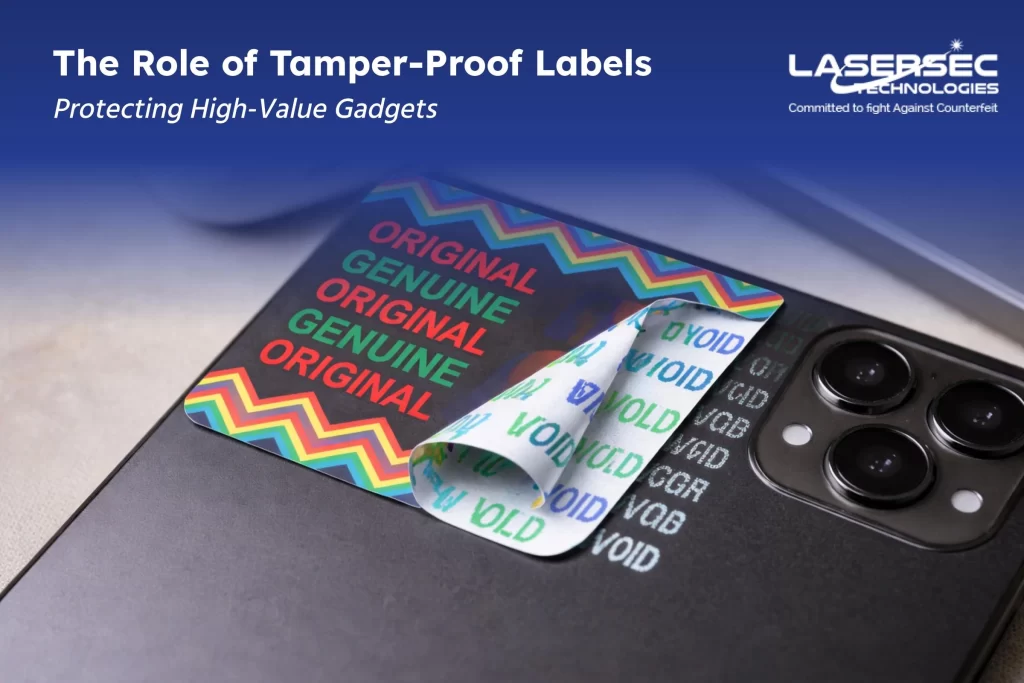
  • Tamper-Proof Seals : Applied on caps or closures, these seals break or tear irreversibly upon first opening. Once damaged, they cannot be resealed, clearly indicating prior access.
  • Void and Destructible Labels : Void & Tamper Proof Labels reveal a permanent message or pattern when removed. Destructive labels fragment on tampering, preventing reuse and eliminating the possibility of concealment.
  • Inner Seals and Liners : Placed beneath caps of creams, lotions, and serums, inner seals protect formulations from exposure while offering immediate visual assurance of freshness and safety.
These solutions are intentionally intuitive. Consumers instantly know whether a product is safe—without reading instructions or relying on assumptions.

How Tamper-Evident Packaging Builds Consumer Trust

Trust in cosmetics begins before texture, fragrance, or results. It begins with safety perception.

Tamper-evident features help brands:

  • Reassure consumers that the product is untouched
  • Reduce hesitation at the point of purchase
  • Strengthen confidence during first use
  • Reinforce a brand’s commitment to consumer well-being

For both premium and mass-market cosmetics, this visible layer of protection directly influences repeat purchases, reviews, and long-term loyalty.

Is Tamper-Evident Packaging Mandatory for Cosmetics?

While regulations vary by region, global regulatory bodies increasingly expect preventive packaging safety measures, especially for products applied directly to the body.

Tamper-evident packaging supports compliance with:

  • US FDA cosmetic safety and labeling expectations
  • EU Cosmetic Regulation (EC) No 1223/2009
  • ASEAN Cosmetic Directive (ACD)
  • Middle East and GCC cosmetic compliance frameworks

For quality assurance and regulatory teams, tamper-evident packaging demonstrates:

  • Proactive risk mitigation
  • Control over post-manufacturing interference
  • Audit readiness and quality accountability

It is no longer only about compliance—it is about responsibility.

Beyond Safety: Protecting Cosmetic Brand Reputation

A single compromised cosmetic product can undo years of brand trust.
Negative reviews, safety complaints, or regulatory actions often spread faster than corrective responses.

Tamper-evident packaging acts as a frontline brand protection mechanism by:

  • Reducing the likelihood of altered products reaching consumers
  • Limiting reputational damage caused by external supply chain manipulation
  • Protecting brands from liability linked to misuse or contamination
In an era of instant social proof and rapid information sharing, prevention is significantly more effective than damage control.

How We Support Cosmetic Brands with Tamper-Evident Solutions

We work closely with cosmetic manufacturers, packaging developers, and compliance teams to integrate tamper-evident packaging solutions that align with product design, regulatory requirements, and consumer expectations.

Our approach focuses on:

  • Selecting the right combination of seals, labels, and liners
  • Ensuring clear tamper visibility without disrupting aesthetics
  • Supporting scalability across global markets and SKUs
Explore our range of tamper-evident holographic labels designed for sensitive consumer products.

By embedding protection directly into the packaging journey, we help cosmetic brands strengthen safety, consistency, and trust—quietly and effectively.

The Future of Cosmetic Packaging Safety

As consumer awareness rises and regulations continue to evolve, tamper-evident packaging will increasingly define responsible cosmetic brands.

It is no longer a secondary feature.
It is a signal of integrity, accountability, and commitment to consumer safety.

For cosmetics—where trust, safety, and experience intersect—tamper-evident packaging sets the standard that consumers now expect and remember.

Phygital Loyalty Programs: Building Consumer Trust through Genuine Rewards

A shopper picks up your product from a neighborhood store. They scan the pack, expecting a reward — loyalty points, cashback, or a small surprise.

But what if the same reward has already been claimed using a counterfeit version of your product?

For FMCG brands operating in high-volume, price-sensitive markets, this is no longer a rare edge case. It is a growing reality that is quietly forcing loyalty programs to evolve.

Today, phygital loyalty programs are emerging as a critical solution — ensuring that consumer rewards are unlocked only through genuine, authenticated FMCG products.

Loyalty in FMCG Is Built on Trust, Not Just Rewards

In fast-moving consumer goods, loyalty is driven by habit, availability, and confidence. Consumers repeatedly choose brands they trust — brands that feel fair, reliable, and transparent.

However, when loyalty programs can be exploited:

  • Genuine consumers feel cheated
  • Counterfeit products benefit from real promotions
  • Marketing spends increase without proportional growth
Over time, promotional excitement turns into doubt. And once trust erodes, loyalty weakens.

This is why FMCG brand loyalty programs must prioritize fairness and authenticity, not just engagement metrics.

Why Traditional Loyalty Programs Fail in FMCG Environments

Most conventional loyalty programs rely on printed QR codes, alphanumeric codes, or digital coupons. While these methods increase participation, they introduce serious vulnerabilities.

Common issues include:

  • Codes being copied, shared, or resold
  • Multiple redemptions from a single code
  • Rewards claimed without a genuine product purchase
For FMCG brands running nationwide or multi-country campaigns, this results in:
  • Misallocated rewards and promotional leakage
  • Inaccurate campaign performance data
  • Increased scrutiny from finance and audit teams

The challenge is not loyalty itself — it is verifying who truly deserves the reward.

What Is a Phygital Loyalty Program?

A phygital loyalty program connects physical product authentication with digital consumer engagement.

Unlike traditional systems, phygital loyalty ensures that:

  1. The physical product is authenticated first
  2. Authenticity is verified through a secure scan
  3. Rewards are unlocked only after verification
By linking product authentication and loyalty rewards, FMCG brands ensure that incentives flow only from genuine products.

This approach builds directly on track and trace authentication systems and transforms loyalty from a volume-driven tactic into a trust-driven strategy.

A Better Loyalty Experience for FMCG Consumers

From the consumer’s perspective, phygital loyalty feels simple yet reassuring.

A single scan provides:

  • Instant confirmation that the product is genuine
  • Access to loyalty rewards or offers
  • Brand-backed product information and guidance

That moment of reassurance matters.

In everyday FMCG categories — food, beverages, personal care, home essentials — this subtle confirmation strengthens confidence and encourages repeat purchases.

Authenticity becomes part of the consumer experience, not an afterthought.

How Phygital Loyalty Helps FMCG Brand and Marketing Teams

For internal stakeholders, phygital loyalty programs deliver measurable value.

They help FMCG brands:

  • Protect promotional budgets from misuse
  • Ensure rewards reach genuine buyers
  • Improve campaign ROI measurement
  • Capture clean, reliable engagement data
When loyalty rewards are tied to secure product authentication technologies, campaigns become auditable, defensible, and scalable.

Loyalty stops being a risk — and starts becoming a strategic asset.

Counterfeiting Is a Mass-Market FMCG Problem

Counterfeiting is no longer limited to premium or luxury categories. In FMCG supply chains, counterfeit products move quickly and blend easily with genuine stock.

When promotions are attached to unauthenticated products, counterfeit circulation accelerates.

Phygital loyalty programs help FMCG brands:

  • Discourage counterfeit participation in campaigns
  • Reduce misuse of brand-funded incentives
  • Reinforce trust at the point of purchase

This is particularly critical in emerging markets across Asia, Africa, the Middle East, and Latin America, where volume, price sensitivity, and complex distribution networks increase risk.

How Lasersec Technologies Enables Phygital Loyalty

At Lasersec Technologies, we help FMCG brands integrate product authentication with loyalty programs through scalable phygital solutions.

Our approach combines:

  • Physical security features embedded into packaging
  • Secure scan-based authentication technologies
  • Digital systems that integrate seamlessly with loyalty platforms

These solutions are built using advanced anti-counterfeit packaging technologies and digital validation layers.

The result is a loyalty ecosystem where rewards are unlocked only through genuine FMCG products — protecting consumers, campaigns, and brand equity.

How Phygital Loyalty Helps FMCG Brand and Marketing Teams

For internal stakeholders, phygital loyalty programs deliver measurable value.

They help FMCG brands:

  • Protect promotional budgets from misuse
  • Ensure rewards reach genuine buyers
  • Improve campaign ROI measurement
  • Capture clean, reliable engagement data

When loyalty rewards are tied to secure product authentication, campaigns become auditable, defensible, and scalable.

Loyalty stops being a risk — and starts becoming a strategic asset.

How Phygital Authentication Powers Secure Loyalty Programs

Phygital loyalty programs only work when the product itself is verified as genuine. Without secure authentication, rewards can still be misused through counterfeit products.

At Lasersec Technologies, phygital authentication is built by integrating physical and digital security into a single, connected ecosystem. This includes holographic foils, tamper-evident seals, dynamic QR codes, and track-and-trace systems embedded directly into FMCG packaging.

Each consumer scan first confirms product authenticity and packaging integrity. Only after successful verification are loyalty rewards unlocked. This prevents duplicate claims, code copying, and reward misuse linked to counterfeit products.

By connecting authentication with loyalty systems, FMCG brands create a transparent, secure, and controlled reward environment — one where incentives are triggered only by genuine products.

Counterfeiting Is a Mass-Market FMCG Problem

Counterfeiting is no longer limited to premium or luxury categories. In FMCG supply chains, counterfeit products move quickly and blend easily with genuine stock.

When promotions are attached to unauthenticated products, counterfeit circulation accelerates.

Phygital loyalty programs help FMCG brands:

  • Discourage counterfeit participation in campaigns
  • Reduce misuse of brand-funded incentives
  • Reinforce trust at the point of purchase

This is particularly critical in emerging markets across Asia, Africa, the Middle East, and Latin America, where high volumes and complex distribution networks increase exposure.

Why Phygital Loyalty Is the Future of FMCG Engagement

As counterfeit risks rise and consumers demand transparency, loyalty programs must evolve.

Phygital loyalty programs enable FMCG brands to:

  • Build long-term consumer trust
  • Reduce promotional fraud
  • Strengthen brand credibility across markets
  • Create fair, data-driven engagement systems

Loyalty is not built by giving more rewards.

It is built by ensuring that the right rewards reach the right consumers — through genuine products.

When authenticity comes first, trust follows naturally. And when trust is sustained, loyalty lasts — across products, campaigns, and years.

Partner with Us to Build a Phygital Future

Whether you’re in pharma, FMCG, apparel, electronics, or automotive, Lasersec Technologies helps your brand stay ahead of counterfeit threats. Connect with us for a consultation or demo to experience how our Phygital Authentication  solutions can transform your brand protection strategy.

Email: mktg@lasersec.in | Phone: +91-9810213127

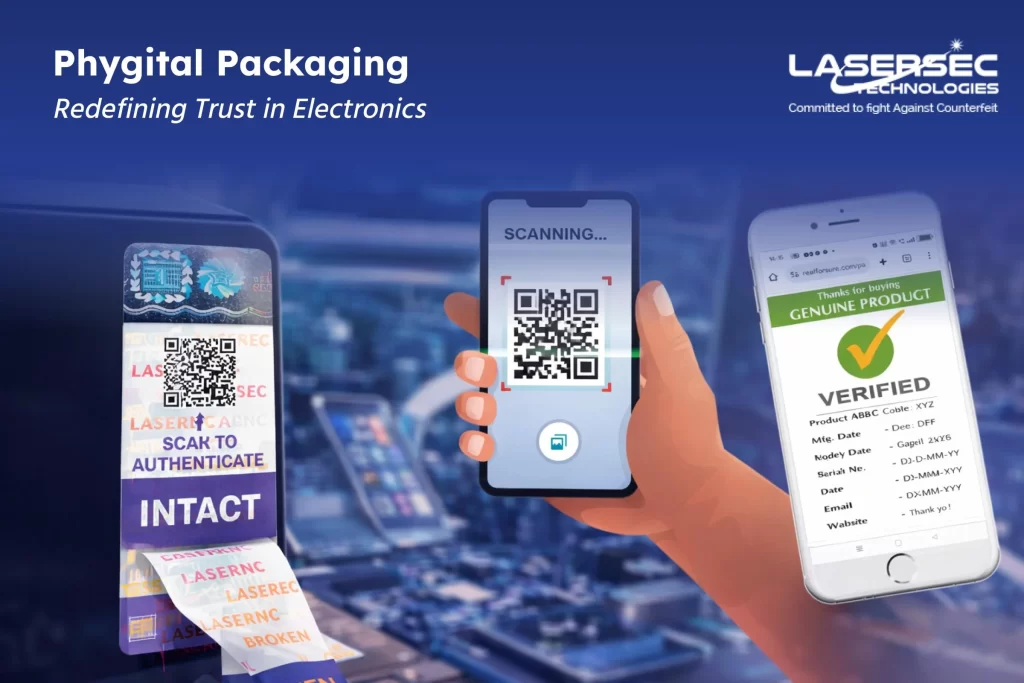
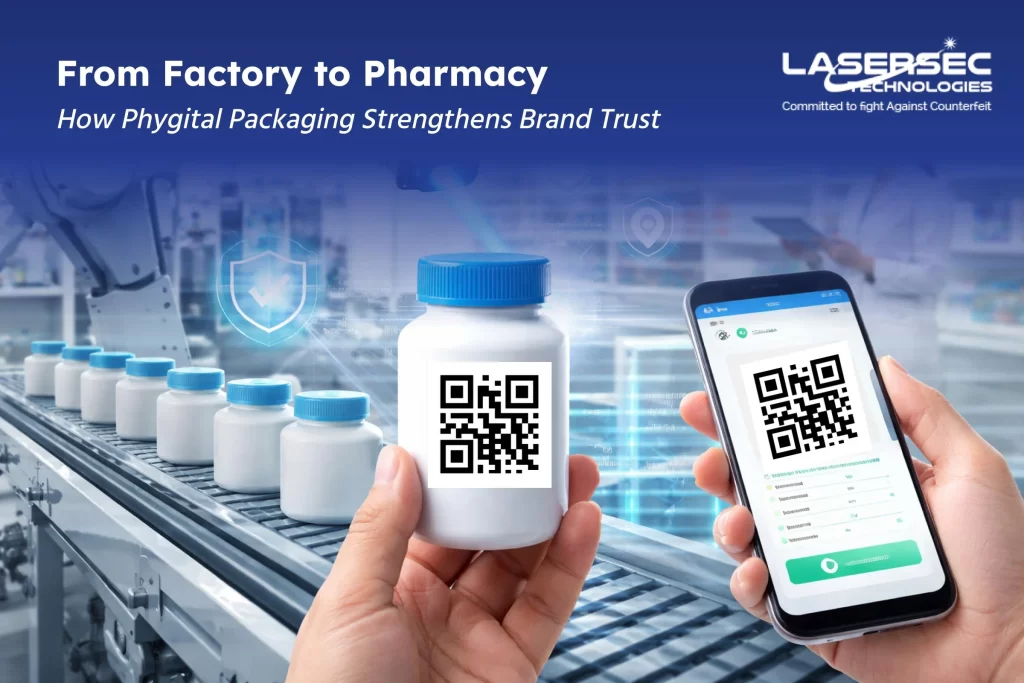
Phygital authentication technology enhancing brand security

Spotting a fake is easy — until it’s your brand on the line.

In today’s fast-paced digital marketplace, counterfeiters are smarter, faster, and more organized than ever. They replicate packaging, clone QR codes, and even build fake websites that mirror authentic ones.

Relying on a single layer of protection is no longer enough. What brands need today is a smarter, connected, and traceable defense system.

That’s exactly where Phygital Authentication steps in — a seamless blend of physical security and digital verification that ensures every product remains genuine, trackable, and trusted.

What Is Phygital Authentication?

The word “Phygital” combines physical + digital.

It’s the next evolution in brand protection and anti-counterfeiting technology.

Imagine combining:

  • Physical features such as holograms, tamper-evident seals, or unique labels, with
  • Digital tools such as secure QR codes, NFC tags, or blockchain links.

Together, these create a two-factor authentication system for products:

  • Physical layer: Provides instant, visible proof of authenticity.
  • Digital layer: Enables real-time online verification, tracking, and analytics.
This powerful combination makes verification intuitive, transparent, and nearly impossible to replicate.

Why Every Industry Needs to Go Phygital

Counterfeiting is no longer limited to luxury or pharma — it’s now a multi-industry threat. From FMCG and automobile parts to electronics and apparel, fake products infiltrate every market, damaging brand reputation and consumer trust.

  • A consumer could unknowingly buy a fake skincare product that looks identical to the real one.
  • A patient could receive a counterfeit medicine, risking serious health consequences.
  • A dealer might end up stocking duplicate machine parts, affecting equipment performance.

Phygital Authentication helps track products from factory to shelf, offering end-to-end supply chain visibility. It empowers brands to identify, trace, and stop counterfeit products — before they reach consumers.

The Power of Combining Physical and Digital Security

Phygital Authentication strengthens brand protection through dual assurance:

  • Physical identifiers (holograms, foils, tamper seals) → provide instant visual confirmation.
  • Digital identifiers (unique QR codes, serialized data, blockchain records) → enable live product authentication and data analytics.

Result: A powerful, tamper-resistant system that ensures authenticity, traceability, and accountability across the entire product lifecycle.

Each scan tells a story — one of trust, transparency, and technology working hand-in-hand.

Beyond Counterfeit Protection — Building Consumer Trust

Phygital Authentication isn’t only about protecting brands; it’s about creating genuine connections.

When customers scan a product and instantly verify its authenticity — or receive personalized information, rewards, or thank-you notes — it turns a simple purchase into an emotional experience. This sense of assurance and appreciation builds lasting loyalty and brand trust.

In an era of endless choices, trust isn’t optional — it’s your strongest advantage.

Future-Proofing Brand Protection

Counterfeiters are evolving — but so is technology.

Phygital Authentication ensures brands stay one step ahead with scalable, intelligent, and data-driven protection.

By merging physical security features with digital intelligence, brands unlock:

  • Real-time product traceability
  • Anti-counterfeiting analytics
  • Consumer engagement opportunities
  • Regulatory compliance support

This makes it not just a security solution — but a strategic investment in long-term brand integrity.

The future of anti-counterfeiting isn’t about choosing between physical or digital — it’s about merging both.

Phygital Authentication represents the next leap in brand protection, enabling businesses to:

  • Secure every product
  • Strengthen customer confidence
  • Ensure full supply chain transparency

How Lasersec Technologies Powers Phygital Authentication

At Lasersec Technologies, we integrate cutting-edge physical and digital security to deliver true Phygital Authentication. Our portfolio includes holographic foils, tamper-evident seals, dynamic QR codes, and track-and-trace systems — all designed to create a connected, secure, and transparent product ecosystem. Each solution is customized to meet your industry’s compliance needs while strengthening brand integrity and consumer trust.

Partner with Us to Build a Phygital Future

Whether you’re in pharma, FMCG, apparel, electronics, or automotive, Lasersec Technologies helps your brand stay ahead of counterfeit threats. Connect with us for a consultation or demo to experience how our Phygital Authentication  solutions can transform your brand protection strategy.

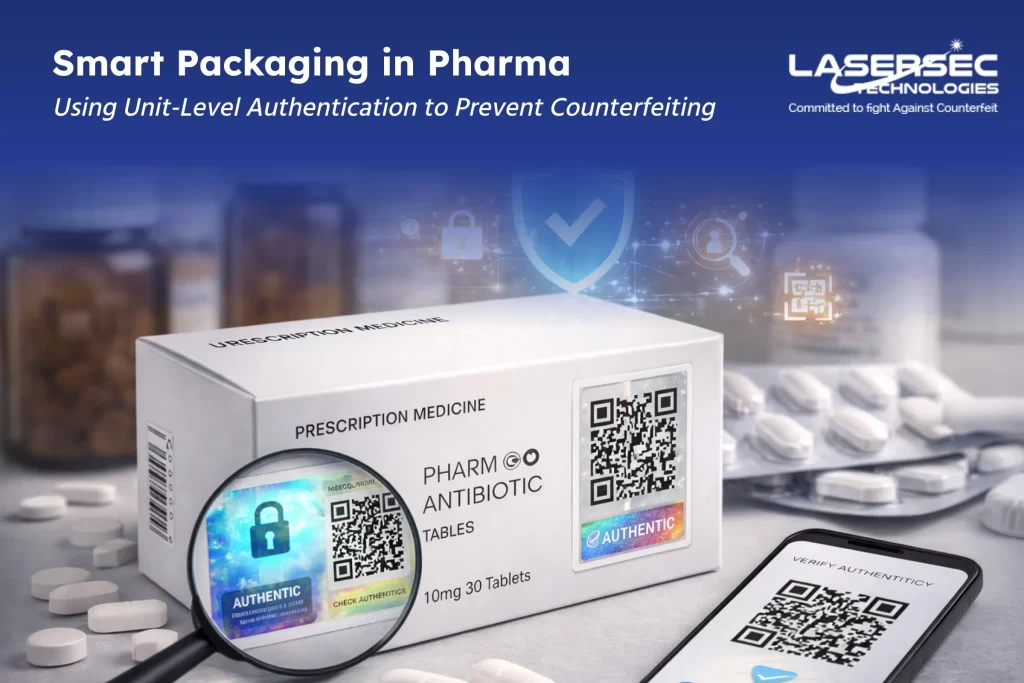
Combating Counterfeit Antibiotics-Packaging Innovations That Work in Tier-2 and Rural Markets

Imagine a patient in a small town buying antibiotics with hope for recovery, only to later discover the medicine was fake. This isn’t just a business challenge; it’s a human crisis that threatens lives and erodes trust in healthcare.

According to the World Health Organization (WHO), about 1 in 10 medical products in low- and middle-income countries is substandard or falsified, with antibiotics among the most commonly counterfeited. In India, this issue is especially severe in tier-2 and rural markets, where patients depend heavily on affordable medicines but have fewer tools to verify authenticity.

For domestic pharma companies with mass-market distribution, protecting these communities goes beyond compliance — it’s about safeguarding public health and protecting brand trust in the very markets where demand is highest.

Why Rural and Tier-2 Markets Face Bigger Risks

Medicines in rural areas often pass through long, complex distribution chains before reaching patients. With fewer regulatory checks, limited pharmacist training, and high demand for low-cost antibiotics, counterfeiters exploit every gap.

Why antibiotics?

  • They are the most prescribed medicines in rural India.
  • Counterfeit versions are easy to circulate undetected.
  • Fake or substandard antibiotics fuel antimicrobial resistance (AMR), making genuine treatments less effective.
The result: 
patients don’t recover, resistance spreads, and pharma brands lose credibility.

Practical Packaging Solutions That Work on the Ground

Domestic pharma leaders don’t need futuristic tech — simple, field-proven solutions can protect both patients and business in high-risk markets:

1. QR Codes for Instant Verification

With smartphone use now above 50% in tier-2 and rural India, secure QR codes allow patients and chemists to scan and confirm authenticity in seconds.

2. Scratch-to-Reveal Codes

A cost-effective feature where patients scratch a panel to uncover a one-time code, then send it via SMS for instant confirmation. Perfect for regions with poor internet but reliable mobile coverage.

3. Toll-Free Number Verification

For areas where smartphones are less common, patients can call a toll-free number, enter the pack code, and receive immediate confirmation.

4. Serialization & Track-and-Trace

For companies looking at scale, serialization (unique pack codes) with Track-and-Trace systems enables full supply chain visibility. While CDSCO already mandates serialization for exports, extending it domestically creates a powerful barrier against counterfeits.

Even the best packaging features work only if people know how to use them. Pharma companies can build trust by:

  • Printing clear calls-to-action on packs like “Scan to Verify” or “Scratch and SMS to Confirm.”
  • Training distributors, chemists, and field staff to explain features.
  • Partnering with health workers and pharmacist associations to promote safe buying practices.

What Pharma Companies Can Do Today

  • Adopt at least one low-cost anti-counterfeit feature suited to your market.
  • Train distributors and field teams to guide chemists on how to use these features.
  • Print simple instructions on every pack to drive patient adoption.
  • Monitor ground feedback and refine your packaging strategy over time.

Beyond Packaging: Partnerships Multiply Impact

Technology works best when paired with collaboration.

Pharma companies can:

  • Partner with local health workers to raise awareness.
  • Work with pharmacist associations to block counterfeit circulation.
  • Align with regulators like CDSCO — and globally with bodies like TGA and USFDA — to meet compliance while building consumer confidence.

Why Acting Now Matters

Counterfeiting in non-urban supply chains is no longer just a rural problem — it’s a nationwide risk. Ignoring it can result in regulatory challenges, lost market share, and, most importantly, lives lost.

By contrast, acting now with practical anti-counterfeit packaging creates an opportunity to:

  • Protect patients where they are most vulnerable.
  • Safeguard your brand in India’s fastest-growing pharma markets.
  • Position your company as a trusted healthcare partner at home and globally.
Because at the end of the day, packaging isn’t just about protecting a product — it’s about protecting people.

Moving Forward with Safer Packaging

At Lasersec Technologies, we help pharma companies design practical anti-counterfeit packaging solutions — from scratch panels and QR codes to serialization and Track & Trace.

Backed by compliance expertise and real-world field success, our goal is simple: to help you protect patients, build trust, and stay ahead of counterfeiters in both rural India and global markets.

Export-Ready Pharma Packaging- What Global Buyers Are Now Expecting

You’ve secured the order, production is complete, and your shipment is ready to move. But then, just before dispatch, your buyer asks:

“Does your packaging meet serialization and scan-based proof requirements?”

Imagine losing a million-dollar contract — not because of your medicine, but because your packaging failed to inspire trust. This is the reality many exporters face today. For global buyers, packaging has become the deciding factor between smooth delivery and a deal falling apart.

Why Packaging Standards Are Now Non-Negotiable

Global buyers are under pressure from regulators, distributors, and patients. They must ensure every product they source is traceable, authentic, and tamper-proof. That means export-ready packaging is no longer optional — it’s the foundation of international trade.

Key compliance must-haves include:

  • Track & Trace Systems – complete product visibility across the supply chain
  • Serialization – unique identifiers that meet global compliance norms
  • Tamper-Evident Features – seals or packaging that immediately reveal interference
  • Scan-Based Proof – QR codes or secure markings enabling instant authentication

Without these, buyers see risk — and in today’s market, risk means rejection. It’s not just about checking compliance boxes. Buyers want reassurance that:

  • Their shipments won’t face customs delays due to packaging gaps
  • They won’t be caught in regulatory disputes in importing countries
  • They can confidently show stakeholders a secure supply chain
For exporters, this transforms packaging into a proof of credibility. It’s no longer just a container — it’s part of your business reputation.

Regional Buyer Expectations: One Size Doesn’t Fit All

Every region enforces its own regulations. Understanding them isn’t just smart — it’s survival.

RegionKey Packaging ExpectationsWhat It Means for Exporters
European Union (EU)Strict serialization under the FMD (Falsified Medicines Directive) with database-driven verification.Packs must be registered and verifiable via EU hub. Non-compliant shipments are rejected at borders.
United StatesDSCSA (Drug Supply Chain Security Act) requires interoperability and traceability beyond serialization.Exporters must ensure their systems “talk” with US buyers’ systems for seamless data exchange.
Middle East & AfricaHigh counterfeit risks demand visible tamper-evidence + secure scan codes.Buyers expect seals and markings they can verify instantly at distributor level.

According to the WHO, 1 in 10 medical products in low- and middle-income countries is substandard or falsified — highlighting why MEA and APAC buyers demand extra layers of security.

Before shipping, ask yourself:

  • Does every pack carry a unique, scannable serialization code?
  • Is there a tamper-evident seal that cannot be replaced unnoticed?
  • Can my systems generate and share serialization data with buyers?
  • Do I have scan-based proof of authenticity ready for customs or audits?

If the answer is “no” to any of these, your packaging isn’t truly export-ready.

Indian pharma is globally respected for high-quality medicines. But as regulations tighten, packaging standards are becoming the new benchmark for trust.

Those who adapt quickly — with serialization, secure QR codes, and tamper-evident solutions — will stand out as reliable partners. On the other hand, exporters who delay risk losing contracts, not because of product quality, but because their packaging didn’t pass the credibility test.

Global buyers are no longer asking if your packaging is compliant — they’re asking how quickly you can prove it.

Export-ready packaging is now a business advantage, not just a compliance step. For exporters preparing to expand globally, investing in the right packaging solutions is no longer optional.

Because in today’s market, packaging isn’t just protecting your product — it’s protecting your growth.

At Lasersec Technologies, we partner with pharma exporters to ensure their packaging meets global serialization, traceability, and anti-counterfeit standards — helping you ship with confidence and win global trust.

Holographic Blister Packaging for CDSCO Compliance

India’s pharmaceutical landscape is undergoing a transformation — and packaging is at the center of it.
With the CDSCO’s new QR code and serialization mandates, every exported pharma product must now be secure, traceable, and tamper-evident.

For manufacturers, especially SMEs, this can feel like a complex compliance challenge.
But there’s a powerful, proven solution already within reach: Holographic Blister Packaging.

1. The New CDSCO Reality

To curb counterfeit drugs and ensure authenticity across the supply chain, the Central Drugs Standard Control Organization (CDSCO) now requires export-bound pharmaceutical products to carry:

  • Secure and scannable QR codes
  • Unique serialization at batch or unit level
  • Tamper-evident features on primary packaging
This means your packaging must do more than look professional — it must communicate trust, security, and transparency to regulators, distributors, and patients worldwide.

2. Why Holographic Blister Packaging Foils Are the Ideal Fit

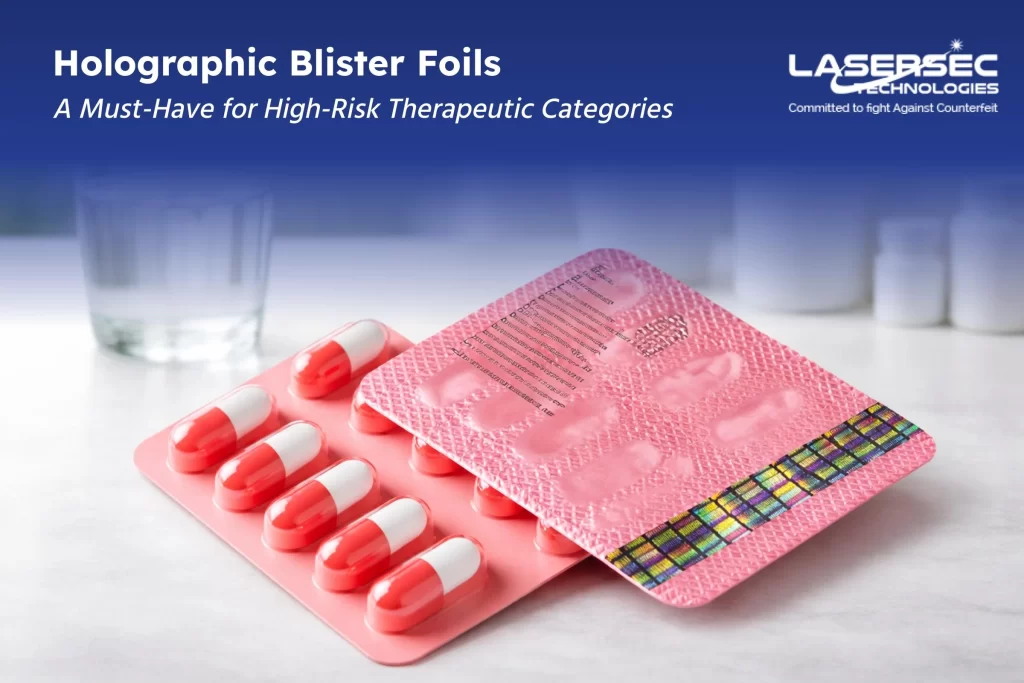
Holographic blister foils are designed not just for visual appeal, but for multi-layered protection.
They merge optical security, digital traceability, and physical tamper resistance — all in one compact, cost-effective solution.

Key advantages include:

  • Built-in Anti-Counterfeit Security:
    Complex holographic patterns, diffractive designs, and hidden laser effects make duplication nearly impossible.
  • Tamper-Evident Layering:
    Any attempt to peel or alter the foil leaves visible damage — ensuring that the product cannot be resealed or reused undetected.
  • QR & Serialization Integration:
    Holographic foils can seamlessly integrate dynamic QR codes and serialized data, allowing regulators and end-users to instantly verify product authenticity.
  • Regulatory Compliance:
    They fulfill the CDSCO’s core requirements — secure labeling, traceability, and anti-tampering — without requiring major production line changes.
  • Supply Chain Visibility:
    When linked to digital Track & Trace systems, each blister pack becomes part of a transparent, verifiable export network.

3. How It Works

Each holographic blister foil is embedded with security layers visible and invisible to the naked eye.

When printed with unique serial numbers or QR codes, it creates a dual-authentication system:

LayerFunctionBenefit
Optical Security (Holography)Visually identifiable design that’s impossible to replicateInstant brand and regulatory authentication
Digital Security (QR + Serialization)Unique, scannable identity for every packEnables verification and traceability
Tamper EvidenceIrreversible visual damage on interferencePrevents resealing or counterfeit replacement

This layered approach makes it extremely difficult for counterfeiters to reproduce or reuse packaging — offering compliance with confidence.

4. Why SMEs Should Choose Holographic Blister Packaging

Unlike large-scale digital upgrades, holographic blister foils are scalable, adaptable, and cost-efficient.
For SMEs, this means:

  • No heavy capital investment in new lines
  • Immediate enhancement of regulatory readiness
  • Compatibility with existing packaging formats
  • Added brand value in export markets
It’s a simple way to make your products CDSCO-compliant and globally credible — without the complexity of building new infrastructure.

5. Beyond Compliance: Building Trust Across Borders

The global pharma supply chain thrives on transparency.
By adopting holographic blister foils, Indian exporters not only meet CDSCO and international labeling mandates but also strengthen brand trust with distributors and healthcare professionals abroad.

  • Regulators see transparency.
  • Distributors see authenticity.
  • Patients see safety.

And your brand earns long-term credibility in every market it reaches.

Secure, Scalable, and Future-Ready

The CDSCO’s labeling mandates are here to stay — but compliance doesn’t have to be complicated.

Holographic blister foils bring together the best of physical and digital protection, offering a ready-to-implement, regulation-compliant, and cost-effective solution for Indian pharma exporters.

At Lasersec Technologies, we specialize in custom-designed holographic blister foils that combine optical security, dynamic QR codes, and tamper-evident protection.
Our solutions are trusted by leading pharmaceutical manufacturers to safeguard brands, meet regulatory standards, and ensure patient safety.

Let’s help you make compliance your competitive edge — one blister pack at a time.

How Indian Pharma Exporters Can Prepare for EU’s New Digital Packaging Rules

The European Union’s upcoming Digital Product Passport (DPP) and serialization requirements, effective from 2026, are transforming how pharmaceuticals are packaged and traced across the supply chain. For Indian pharma exporters, this means digital-ready packaging is no longer optional — it’s essential for market access, compliance, and trust.

So, how can packaging evolve fast enough to meet these expectations?
The answer lies in QR codes and tamper-evident labels — two smart technologies that bring traceability, authenticity, and transparency directly onto the pack.

1. The New EU Challenge: Digital Transparency at Every Level

Under the EU Eco-design for Sustainable Products Regulation (ESPR), every product entering the EU — including pharmaceuticals — must carry a Digital Product Passport (DPP). This digital record links each pack to verified data such as product origin, batch, composition, and regulatory certifications.

However, achieving compliance requires:

  • Unit-level serialization
  • Scannable digital identifiers
  • Tamper-proof packaging integrity

That’s where smart labeling comes into play.

2. QR Codes: Your Gateway to Digital Product Passports

QR codes have evolved far beyond simple barcodes. Modern secure and dynamic QR codes allow real-time verification, linking every individual pack to its digital passport in the cloud.

With secure QR codes, pharma exporters can:

  • Connect each product to a verified DPP record
  • Enable instant verification for customs officials, distributors, and patients
  • Detect counterfeits or unauthorized diversions
  • Track exports throughout the EU supply chain
When integrated with serialization, these QR codes become digital fingerprints — unique, tamper-evident, and compliant with EU’s interoperability standards.

3. Tamper-Evident Labels: The Physical Layer of Trust

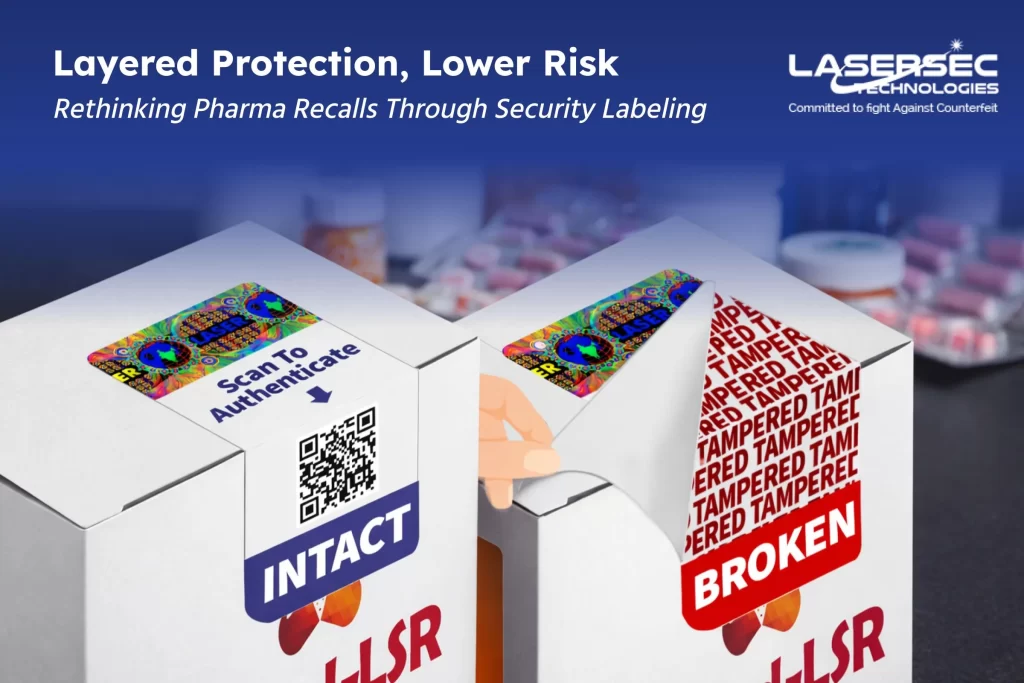
While QR codes protect digital identity, tamper-evident labels safeguard physical authenticity. These labels reveal visible signs — such as “VOID” marks or holographic breaks — if anyone tries to remove or alter them.

Why they’re essential for compliance:

  • They ensure product integrity during transit
  • Serve as proof of non-interference and genuine origin
  • Complement serialization and DPP data by confirming physical security
Together, tamper-evident and QR-enabled labels bridge the physical and digital worlds, creating a robust defense against counterfeiting and regulatory breaches.

4. How These Technologies Work Together

When integrated, QR codes and tamper-evident labels deliver a two-tier protection model:

LayerFunctionBenefit
Digital Layer (QR Code)Links each pack to live data and DPPEnables authentication and traceability
Physical Layer (Tamper-Evident Label)Shows visible signs of tamperingEnsures product safety and compliance integrity

This hybrid approach enables exporters to prove compliance instantly — both digitally and physically — meeting EU’s dual requirement of traceability and security.

5. Implementation Blueprint for Exporters

To align with the EU’s 2026 standards, Indian exporters should begin adopting these steps today:

  • Adopt Dynamic QR Codes:
    Implement secure, serialized QR codes linked to live cloud databases or blockchain.
  • Upgrade Labeling Infrastructure:
    Ensure your packaging lines support tamper-evident label application and QR code printing at the unit level.
  • Integrate with Track & Trace Systems:
    Synchronize label data with your ERP or MES to enable full supply chain visibility.
  • Partner with Trusted Solution Providers:
    Choose technology partners experienced in anti-counterfeit, serialization, and pharma-grade packaging.

6. Beyond Compliance: Building Trust and Value

Compliance may be the starting point, but smart labeling delivers much more:

  • Builds trust with regulators, distributors, and patients
  • Enhances brand reputation through transparency
  • Reduces counterfeit and recall risks
  • Positions your company as a future-ready exporter
By embracing smart packaging now, Indian pharma manufacturers can turn regulatory pressure into a competitive advantage.

Secure, Smart, and Ready for 2026

The EU’s digital packaging regulations are reshaping global pharma trade — and Indian exporters who act early will lead the way. By combining secure QR codes and tamper-evident labels, you can ensure every shipment is authentic, traceable, and regulation-ready.

At Lasersec Technologies, we specialize in pharma-grade anti-counterfeit solutions — from dynamic QR codes to tamper-evident holographic labels and complete Track & Trace integration. Let’s help you make your exports compliant, secure, and globally trusted.

Future-proof your packaging — one secure label at a time.