




Lasersec Technologies

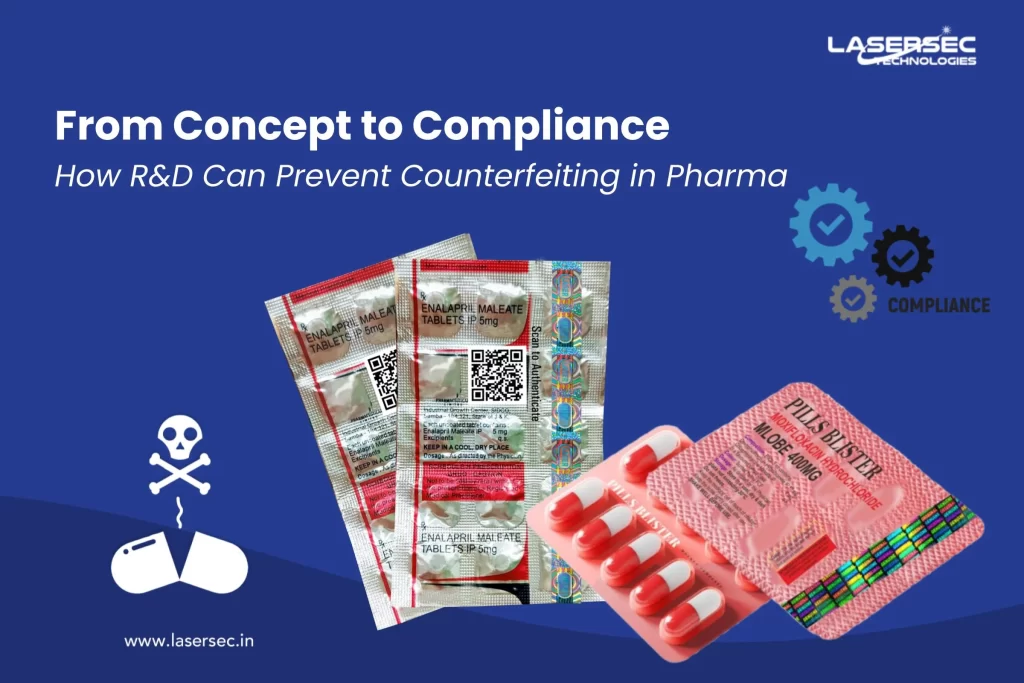
From Concept to Compliance: How R&D Can Prevent Counterfeiting in Pharma

In the world of healthcare, trust isn’t optional—it’s foundational. When a patient takes medicine, they aren’t just consuming a formulation—they’re placing their lives in the hands of pharmaceutical brands, regulators, and science.

But what happens when that trust is betrayed by counterfeit drugs?

Counterfeit medicines are more than a regulatory challenge; they’re a human crisis. From causing patient harm to disrupting supply chains and damaging brand credibility, the consequences are staggering. That’s why the fight against counterfeiting must begin far earlier than many companies realize—not in the warehouse or the pharmacy, but in the research lab.

Why R&D Is the First Line of Defense

For decades, anti-counterfeit strategies have been reactive—focused on packaging tweaks or post-launch investigations. But by that stage, the product is already in circulation, and risks have multiplied.

Integrating anti-counterfeiting measures at the R&D stage enables pharma companies to design products that are inherently secure. It’s about embedding protection within the DNA of the drug—from formulation to packaging. Early intervention ensures that a product isn’t just therapeutic, but tamper-proof, traceable, and trusted.

The Hidden Dangers of Delayed Protection

Delaying brand protection until after production or during distribution creates opportunities for counterfeiters. Once a fake medicine reaches a patient:

  • Regulatory penalties may follow.
  • Patient safety is compromised.
  • Brand trust takes a lasting hit.
Proactive protection, on the other hand, makes it far harder for bad actors to replicate or manipulate your products. It transforms the product into a self-verifying tool, not just a commodity.

Compliance Begins at the Research Table

With global regulatory frameworks tightening—like EU Falsified Medicines Directive (FMD), U.S. Drug Supply Chain Security Act (DSCSA), and TGA requirements in Australia—companies must demonstrate authenticity, traceability, and security from the outset.

Embedding regulatory compliance during R&D enables:

  • Easier serialization integration
  • Accurate data capture for global traceability
  • Faster approval and fewer redesign costs
When compliance is an afterthought, retrofitting solutions becomes expensive and error-prone. But when it’s embedded in development, it becomes a strength—not a stress.

Cost Today, Savings Tomorrow

Some stakeholders fear that early-stage protection adds unnecessary cost. In reality, the opposite is true.

Preventive measures are far more cost-effective than damage control:

  • A single counterfeit scandal can cost millions in recalls, legal fees, and brand damage.
  • Investing early reduces downstream risks, from litigation to loss of market share.
  • Robust products attract regulatory and consumer confidence—accelerating approvals and adoption.

Advanced anti-counterfeit technologies are now versatile, scalable, and R&D-friendly. By integrating these tools into the development phase, pharma companies create products that are resilient and verifiable:

1. Invisible Security Inks –

Embedded directly on blister packs or tablets for covert verification.

2. Tamper-Evident Packaging –

Custom seals that reveal breaches before reaching the end-user.

3. Blockchain & Track-and-Trace Systems –

Enabling immutable supply chain transparency.

4. Secure QR Codes & Digital Twins –

Real-time authentication via mobile scans.

Lasersec Technologies offers R&D-compatible solutions that support pharma brands in building layered, invisible protection—right from Day One.

Anti-counterfeiting isn’t just a packaging or compliance task—it’s a cross-functional mission. When R&D, compliance, packaging, marketing, and logistics teams collaborate early, the outcomes are:

  • Integrated protection strategies
  • Stronger risk mitigation frameworks
  • Faster innovation cycles

This shared responsibility creates a culture of accountability across the entire product lifecycle.

Looking Ahead: Prevent Early, Not Late

Counterfeiters are using smarter methods—AI-generated packaging, high-res replication, and fake serialization. The pharmaceutical industry must be one step ahead.

Embedding anti-counterfeit strategy during R&D is a future-focused, patient-centric move. It empowers companies to:

  • Reduce regulatory risks
  • Enhance product integrity
  • Build long-term trust

R&D is not just about drug discovery—it’s the first frontier of product protection.

At Lasersec Technologies, we empower pharma brands to build security into science. From secure inks and serialization systems to phygital authentication tools, we help you embed trust into every dose—starting from the concept phase.

Let’s talk.
Reach us at mktg@lasersec.in or call +91-9810213127 to explore R&D-ready brand protection solutions.
Share :

Related Blogs

The Shift from Traditional Labels to Interactive Packaging: What Brands Need to Know

Ever held a medicine pack and wondered—is this real? Is it safe?

Your customers, pharmacists, and regulators are asking the same questions every day. And the answers often begin not with a product demo or a marketing campaign—but with what’s printed, sealed, or embedded on your packaging.

We’re entering a new era—where the label isn’t just a sticker. It’s a source of truth.

The shift from traditional labels to interactive packaging is redefining how pharmaceutical brands build credibility, deliver transparency, and protect their reputation.

Why Traditional Labels Aren’t Enough Anymore

For decades, a logo, a batch number, or a hologram gave a basic sense of authenticity. But today’s pharmaceutical buyers, regulators, and patients are more informed and more skeptical. They want proof, not promises—and they want it instantly.

Consumers, pharmacists, and regulators now ask:

  • Where was this product made?
  • Is it safe to use?
  • Has it been tampered with or copied?
  • Can I trace it to the source?
A static label can’t answer these. And in an age where counterfeiting, unauthorized distribution, and regulatory audits are rising—relying only on traditional packaging methods puts patients, companies, and supply chains at risk.

What Is Interactive Packaging?

Interactive packaging blends physical labels with digital intelligence. It enables a smartphone scan—via QR code, NFC chip, dynamic watermark, or serialized code—to unlock detailed product data, authentication, and personalized content.

It offers visibility beyond the box.

Through secure and unique digital triggers (often integrated with traceability platforms), brands can:

  • Verify authenticity instantly
  • Show manufacturing details, batch numbers, expiry dates, and certifications
  • Share dosage guides, patient education, and usage instructions
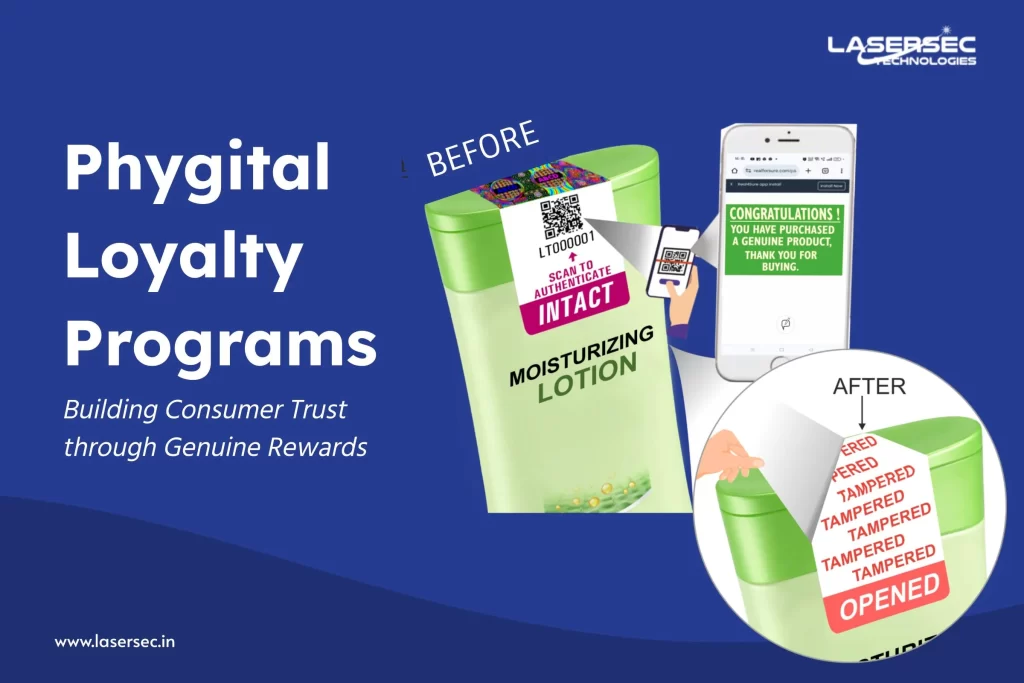
  • Deliver loyalty programs or pharmacist rewards
  • Start direct engagement with patients or healthcare providers
Unlike generic codes, modern systems use dynamic serialization or cloud-linked markers that are nearly impossible to duplicate—raising the bar for counterfeiters and aligning with regulations like DSCSA, EU FMD, and TGA guidelines.

Why More Brands Are Making the Switch

The shift to interactive packaging isn’t just a technology upgrade—it’s a strategic response to life-critical risks, regulatory demands, and patient safety.

  • Authentication:
    Allows pharmacists and patients to verify medicines instantly.
  • Recall readiness:
    Offers real-time traceability and rapid product recalls if needed.
  • Transparency:
    Provides batch-level tracking and supply chain visibility.
  • Engagement:
    Enables direct patient education, feedback, and loyalty programs.
It transforms packaging from a passive layer into a smart, compliant, and protective communication tool.

The Trend Backed by Numbers

According to Research and Markets, the global smart packaging market is expected to reach USD 43.6 billion by 2030, driven by the need for secure product authentication and patient trust.

A recent study shows that 81% of consumers are more likely to trust brands that offer transparency through scannable packaging.

In the pharmaceutical industry, this trust isn’t just a competitive advantage—it’s a regulatory and ethical responsibility.

From Confusion to Confidence

A leading pharmaceutical company faced a surge in counterfeit antibiotics in regional markets. Patients and pharmacists began raising safety concerns, and regulatory bodies flagged potential supply chain gaps.

The solution?

The company implemented secure, serialized QR codes on every blister pack and bottle. Each scan by a pharmacist or consumer provided instant product verification, manufacturing details, and patient instructions.

The impact:

  • Sharp decline in counterfeit complaints
  • Increased confidence among distributors and pharmacies
  • Stronger regulatory compliance and brand trust

Thinking About the Shift?

You don’t need to overhaul your entire product portfolio at once. Begin small, scale smart.

  • Choose a product line – Start with high-risk or export-oriented SKUs.
  • Define your purpose – Focus on authentication, traceability, or patient engagement.
  • Select the right technology – Use encrypted, copy-proof serialization.
  • Design it well – Make it seamless within your existing packaging.
  • Track engagement – Monitor scans, locations, and recall readiness.
Interactive packaging platforms can integrate with your ERP, WMS, and pharma track & trace systems to provide unit-level traceability—from production to the patient’s hand.

The Label Is No Longer Just a Label

In the pharmaceutical industry, packaging isn’t just protection—it’s proof.

Interactive packaging helps pharma brands move from saying “Trust us” to confidently showing why they’re trustworthy—meeting regulatory demands, protecting patients, and building real-world credibility.

Every scan is more than just a check—it’s a chance to:

  • Win patient trust
  • Engage directly with consumers and healthcare providers
  • Protect your products and comply with regulations

When trust, safety, and compliance are at stake, make your packaging your strongest proof point. At Lasersec Technologies, we help pharmaceutical companies bridge this gap—from static to smart, from uncertain to verified.

We design secure, compliant packaging solutions that protect your medicines, engage your supply chain, and elevate your brand.

Why Egypt’s Pharma Industry Needs Next-Gen Anti-Counterfeiting Solutions

Counterfeit medicines remain one of the biggest threats to Egypt’s healthcare system. Patients depend on genuine drugs not only for recovery but often for survival — yet fake medicines continue to circulate, undermining both trust and safety.

According to the Egyptian Drug Authority (EDA), counterfeit medicines make up nearly 10% of the local market in some therapeutic categories.  

These fakes are often disguised with packaging that looks identical to genuine products, making detection extremely difficult for pharmacists and patients.

The consequences are severe:

  • Reduced treatment effectiveness
  • Dangerous health risks
  • Erosion of public trust in brands and the healthcare system
For Egypt’s rapidly expanding pharmaceutical industry — one of the largest in MENA — counterfeiting is no longer a small-scale issue. It’s a national challenge that demands stronger, smarter solutions.

Why Old Defenses Fail

Traditional methods like basic holograms or packaging updates are no longer enough. Counterfeiters are adapting quickly, often staying just one step behind. Pharma companies in Egypt need solutions that go beyond packaging — ensuring authenticity is protected across the entire supply chain.

Next-Gen Anti-Counterfeiting Solutions for Pharma in Egypt

At Lasersec Technologies, we’ve developed advanced anti-counterfeiting solutions designed to tackle the exact challenges Egypt’s pharma sector faces today:

1. Secure QR Codes for Instant Verification :

Give patients and pharmacists the power to instantly verify authenticity with a smartphone scan. This creates transparency and trust at the point of purchase.

2. Serialization & Track-and-Trace (GS1 Standards):

Ensure every pack carries a unique code, providing unit-level visibility from manufacturer to pharmacy. This strengthens regulatory compliance and blocks counterfeit infiltration.

3. Phygital Security Features for Tamper-Proof Packaging:

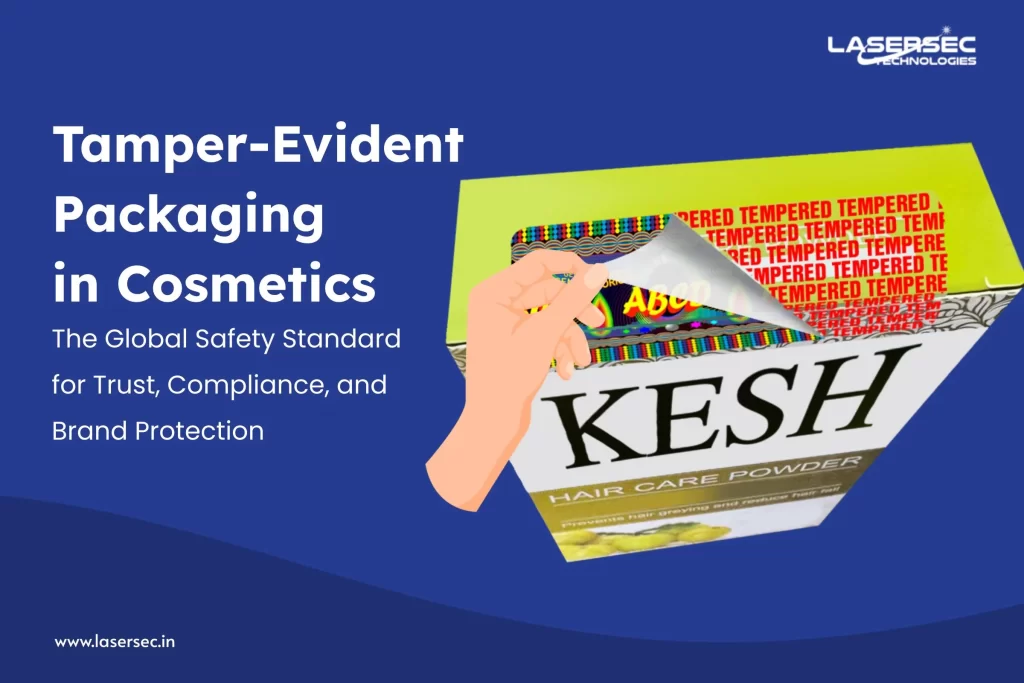
A powerful combination of physical security elements (holograms, special inks, tamper-evident labels) with digital verification ensures packaging is nearly impossible to replicate.

Together, these solutions protect patients, brands, and supply chains — ensuring only genuine medicines reach the hands of consumers.

Why Egypt Needs to Act Now

With exports on the rise, Egyptian pharmaceutical companies must meet international compliance norms to compete globally. Beyond regulations, the real need is trust — both at home and abroad.

Companies that adopt next-gen anti-counterfeiting today will:

  • Become pioneers of safety and reliability in Egypt’s pharma market.
  • Win stronger patient loyalty through visible safety measures.
  • Improve global competitiveness by aligning with international standards.

Showcasing Next-Gen Anti-Counterfeiting at Egypt’s Pharma Exhibition

At the recent exhibition in Cairo, Lasersec Technologies had the opportunity to showcase our next-gen anti-counterfeiting solutions to Egypt’s pharma leaders. Through live demonstrations of secure QR codes, serialization, and phygital features, we highlighted how brands can strengthen patient trust and safeguard supply chains.

The response reinforced one thing clearly: Egypt’s pharma industry is ready to embrace advanced solutions to fight counterfeiting and lead with confidence in both local and global markets.

Moving Forward: Partnering with Egypt’s Pharma Industry

For those who couldn’t attend or want to continue the discussion, our team is here to help. Whether you need a detailed consultation, solution roadmap, or samples tailored to your products, we’re ready to support you.

Because protecting patients — and protecting your brand — is not just a one-time exhibition showcase, it’s a long-term partnership.