





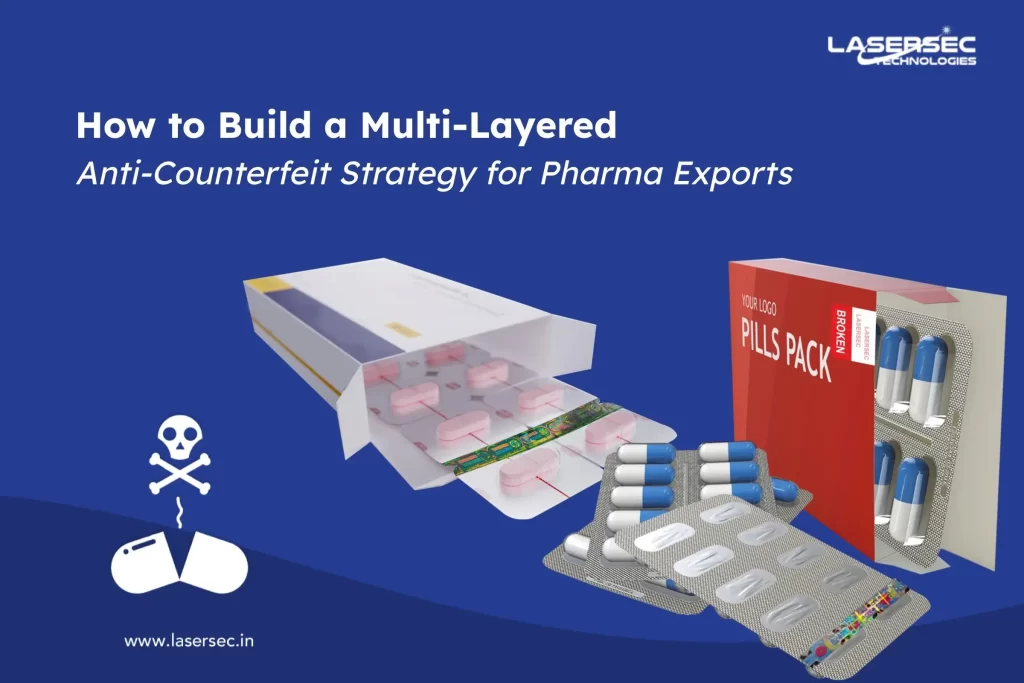
Exporting pharma products? Here’s how to create a robust, multi-layered security system that protects your brand and saves lives.
In the pharmaceutical industry, counterfeit products aren’t just a financial threat—they endanger lives. As a pharma exporter, your responsibility goes beyond compliance; you must safeguard your products against the increasingly sophisticated methods counterfeiters use.
According to the World Health Organization (WHO), 1 in 10 medical products in low- and middle-income countries is substandard or falsified—a statistic that underscores the urgent need for robust anti-counterfeit strategies. To protect your brand, your reputation, and most importantly, patient safety, a multi-layered anti-counterfeit approach is essential.
Why a Multi-Layered Protection Strategy Is Critical
Counterfeit medicines harm more than just profits—they jeopardize public health, create regulatory nightmares, and damage trust in your brand. When exporting, your products pass through multiple hands, each presenting a new vulnerability.
A multi-layered protection system is designed to eliminate these vulnerabilities by implementing multiple lines of defense—ensuring that if one fails, others will catch the threat. Each layer acts as a backup, strengthening the security of your pharmaceutical products.
Step-by-Step: Building a Strong Anti-Counterfeit Strategy
Step 1: Use Visible Security Features to Deter Fakes at First Glance
Visible security features are the first line of defense. These can include:
- Holograms
- Color-shifting inks
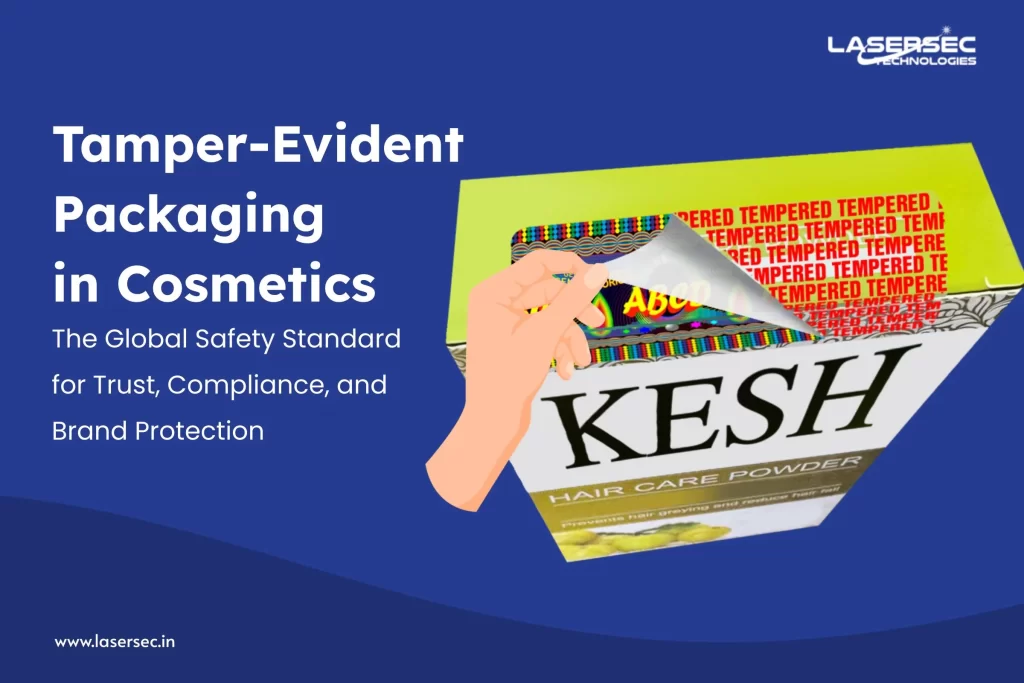
- Tamper-evident packaging
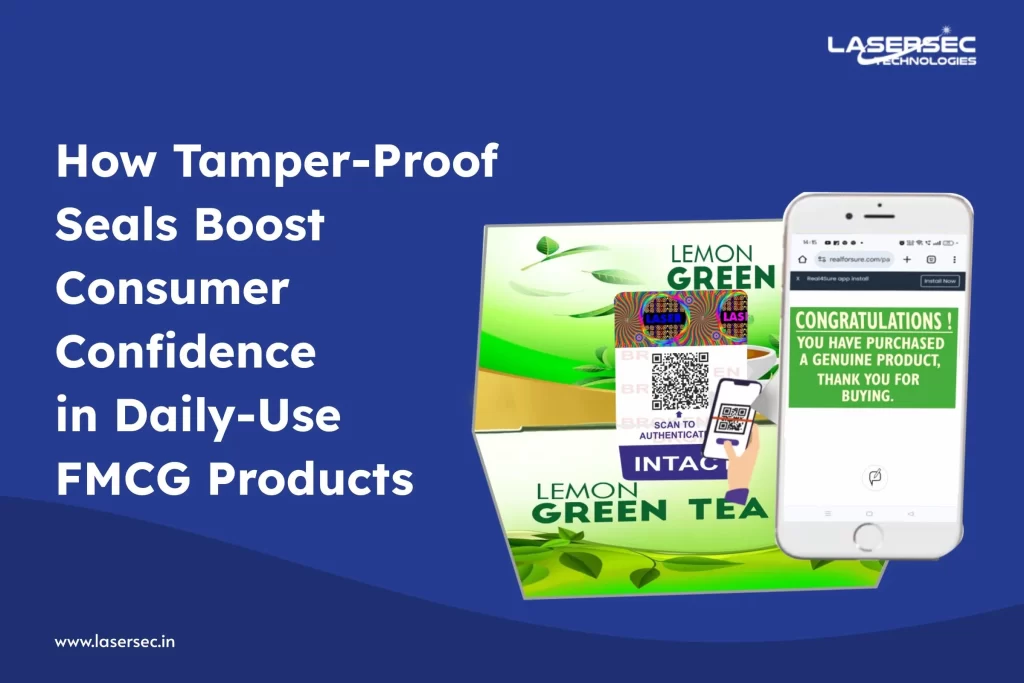
These elements make it easy for customs officers, pharmacists, and even consumers to instantly verify product authenticity.
Tip : Use tamper-evident labels that leave visible traces if tampered with. This acts as a clear deterrent.
Step 2: Add Hidden Layers with Covert Features
Covert features are invisible to the naked eye but offer high-security authentication. Examples include:
- UV or infrared inks
- Microtext
- Forensic taggants
These are extremely difficult to replicate and require specialized tools for verification.
Tip : Keep details about covert features confidential within your trusted network.
Step 3: Leverage Digital Authentication Technologies
Digital tools increase traceability and consumer confidence. Common options:
- Serialized QR codes
- Data matrix barcodes
- GS1-compliant identifiers
Scanning these codes allows quick, real-time verification across the supply chain.
Scenario : A customs officer scans a QR code and instantly verifies authenticity—preventing delays and rejections.
Step 4: Enable Real-Time Tracking and Traceability
A robust Track & Trace system helps you monitor your pharma exports at every stage. Key components include:
- Serialization
- Geo-tagging
- Real-time alerts for irregularities
Example : A product meant for Kenya ends up in Brazil—your system flags the diversion immediately, allowing fast intervention.
Step 5: Train and Empower Your Supply Chain Partners
Everyone from distributors to customs officers should know how to verify your anti-counterfeit features.
Tip : A short training video or printed guide can significantly boost awareness and reduce risks.
Why Multi-Layered Anti-Counterfeit Protection Works
1. Increased Trust and Long-Term Relationships:
Exporters with proven anti-counterfeit measures build confidence and retain global buyers.
2. Compliance with Global Standards:
A layered strategy ensures compliance with regulations like FMD (EU), DSCSA (U.S.), and WHO guidelines.
3. Operational Efficiency:
Better verification reduces customs delays and ensures smoother cross-border movement.
4. Future-Proofing Your Supply Chain:
As counterfeiters evolve, your strategy can evolve too—thanks to scalable, adaptable security layers.
Don’t Wait for a Crisis—Act Now
Counterfeiters are becoming more sophisticated. Waiting for a breach can result in financial losses, regulatory penalties, and brand damage.
No product should leave your facility without strong anti-counterfeit protection.
At Lasersec Technologies, we help pharma exporters build strong anti-counterfeit strategies using visible labels, hidden markers, and digital tools that work in real-world supply chains.