





Lasersec Technologies

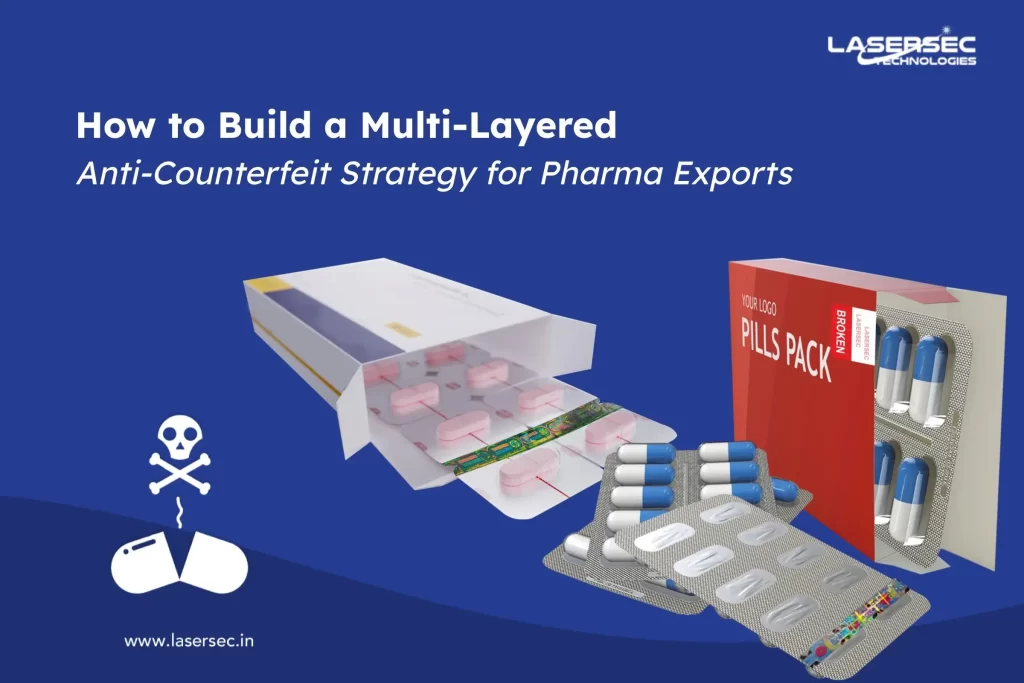
How to Build a Multi-Layered Anti-Counterfeit Strategy for Pharma Exports

Exporting pharma products? Here’s how to create a robust, multi-layered security system that protects your brand and saves lives.

In the pharmaceutical industry, counterfeit products aren’t just a financial threat—they endanger lives. As a pharma exporter, your responsibility goes beyond compliance; you must safeguard your products against the increasingly sophisticated methods counterfeiters use.

According to the World Health Organization (WHO), 1 in 10 medical products in low- and middle-income countries is substandard or falsified—a statistic that underscores the urgent need for robust anti-counterfeit strategies. To protect your brand, your reputation, and most importantly, patient safety, a multi-layered anti-counterfeit approach is essential.

Why a Multi-Layered Protection Strategy Is Critical

Counterfeit medicines harm more than just profits—they jeopardize public health, create regulatory nightmares, and damage trust in your brand. When exporting, your products pass through multiple hands, each presenting a new vulnerability.

A multi-layered protection system is designed to eliminate these vulnerabilities by implementing multiple lines of defense—ensuring that if one fails, others will catch the threat. Each layer acts as a backup, strengthening the security of your pharmaceutical products.

Step-by-Step: Building a Strong Anti-Counterfeit Strategy

Step 1: Use Visible Security Features to Deter Fakes at First Glance

Visible security features are the first line of defense. These can include:

  • Holograms
  • Color-shifting inks
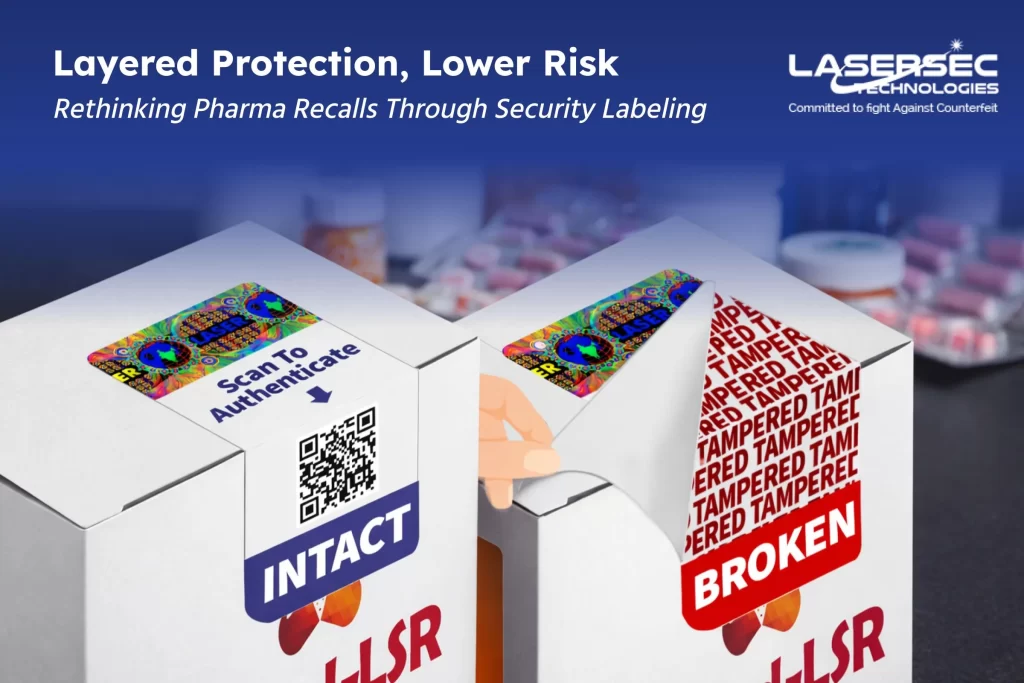
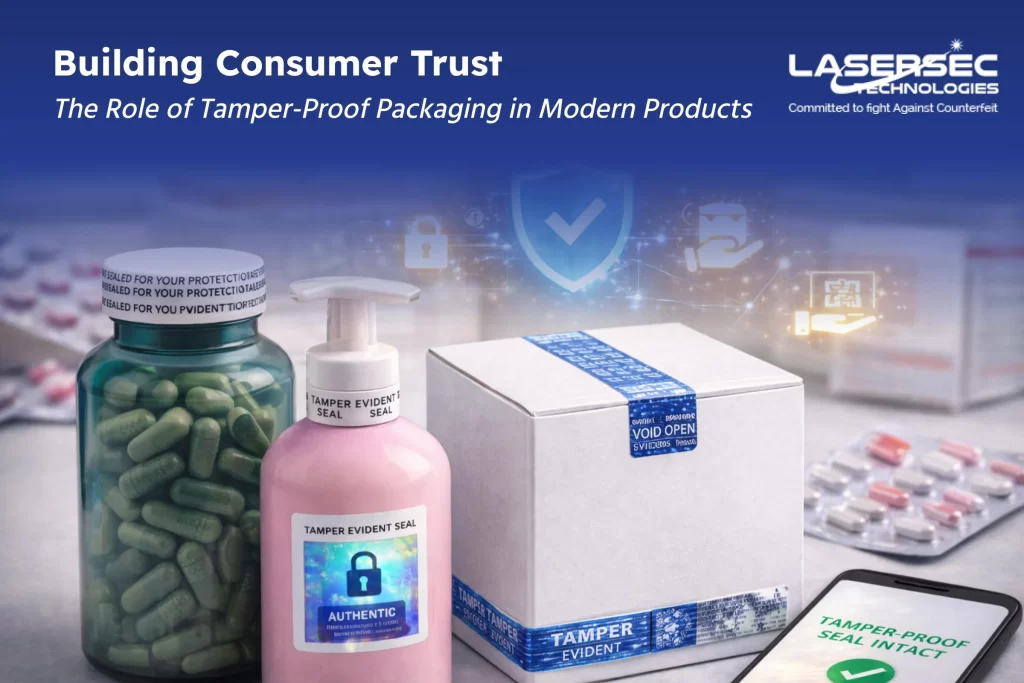
  • Tamper-evident packaging

These elements make it easy for customs officers, pharmacists, and even consumers to instantly verify product authenticity.

Tip : Use tamper-evident labels that leave visible traces if tampered with. This acts as a clear deterrent.

Step 2: Add Hidden Layers with Covert Features

Covert features are invisible to the naked eye but offer high-security authentication. Examples include:

  • UV or infrared inks
  • Microtext
  • Forensic taggants

These are extremely difficult to replicate and require specialized tools for verification.

Tip : Keep details about covert features confidential within your trusted network.

Step 3: Leverage Digital Authentication Technologies

Digital tools increase traceability and consumer confidence. Common options:

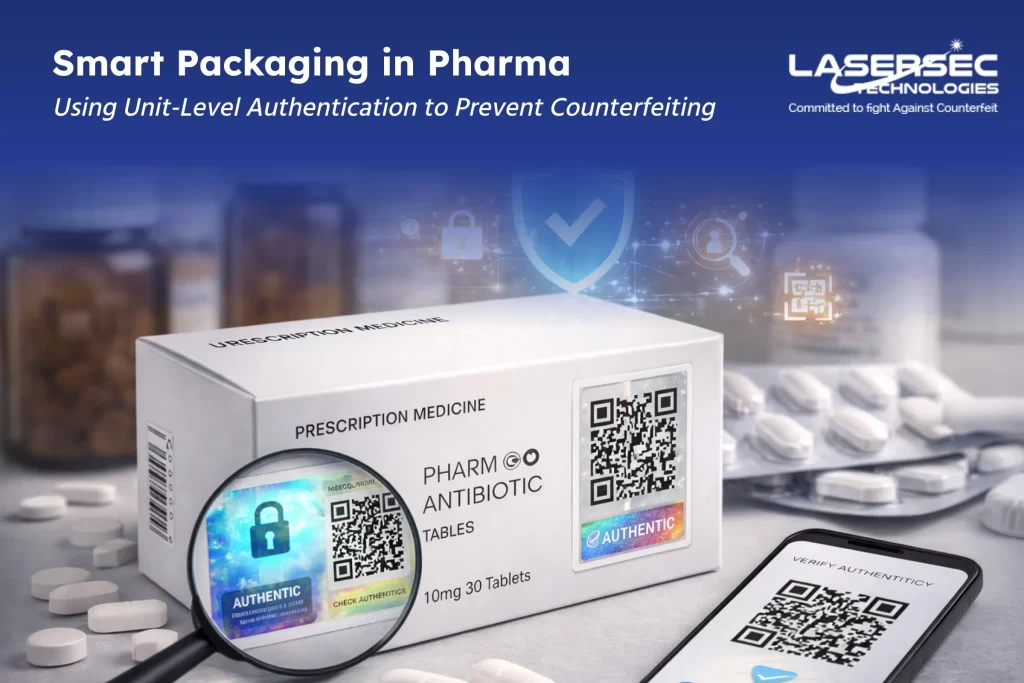
  • Serialized QR codes
  • Data matrix barcodes
  • GS1-compliant identifiers

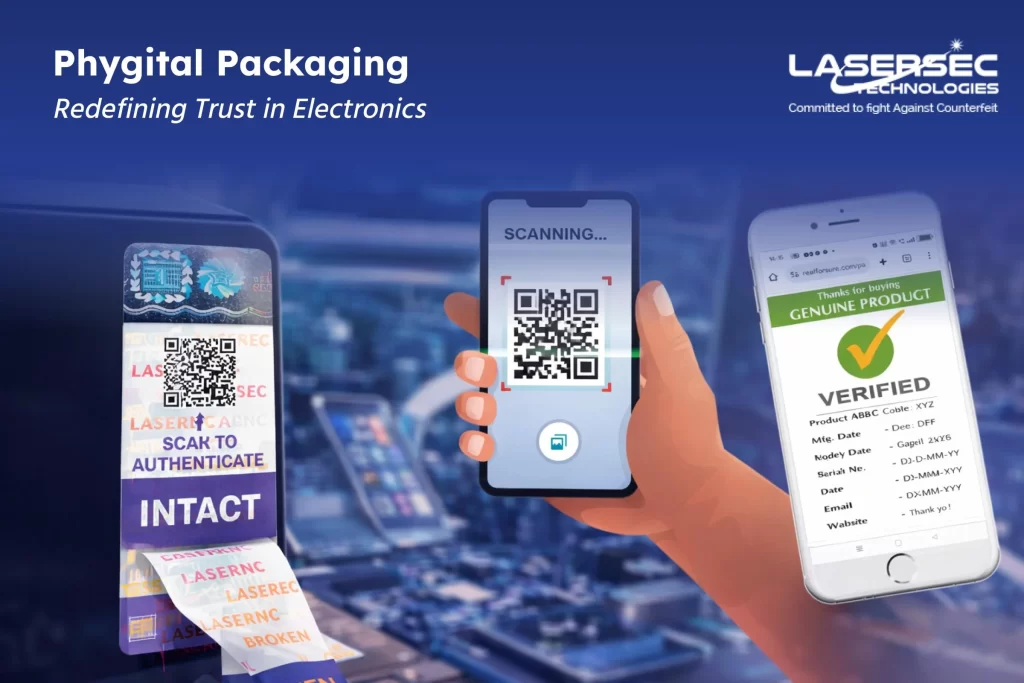
Scanning these codes allows quick, real-time verification across the supply chain.

Scenario : A customs officer scans a QR code and instantly verifies authenticity—preventing delays and rejections.

Step 4: Enable Real-Time Tracking and Traceability

A robust Track & Trace system helps you monitor your pharma exports at every stage. Key components include:

  • Serialization
  • Geo-tagging
  • Real-time alerts for irregularities
Example : A product meant for Kenya ends up in Brazil—your system flags the diversion immediately, allowing fast intervention.

Step 5: Train and Empower Your Supply Chain Partners

Everyone from distributors to customs officers should know how to verify your anti-counterfeit features.

Tip : A short training video or printed guide can significantly boost awareness and reduce risks.

Why Multi-Layered Anti-Counterfeit Protection Works

 1. Increased Trust and Long-Term Relationships:

Exporters with proven anti-counterfeit measures build confidence and retain global buyers.

 2. Compliance with Global Standards:

A layered strategy ensures compliance with regulations like FMD (EU), DSCSA (U.S.), and WHO guidelines.

3. Operational Efficiency:

Better verification reduces customs delays and ensures smoother cross-border movement.

4. Future-Proofing Your Supply Chain:

As counterfeiters evolve, your strategy can evolve too—thanks to scalable, adaptable security layers.

Don’t Wait for a Crisis—Act Now

Counterfeiters are becoming more sophisticated. Waiting for a breach can result in financial losses, regulatory penalties, and brand damage.

No product should leave your facility without strong anti-counterfeit protection.

At Lasersec Technologies, we help pharma exporters build strong anti-counterfeit strategies using visible labels, hidden markers, and digital tools that work in real-world supply chains.
Share :

Related Blogs

Holographic Blister Packaging for CDSCO Compliance

India’s pharmaceutical landscape is undergoing a transformation — and packaging is at the center of it.
With the CDSCO’s new QR code and serialization mandates, every exported pharma product must now be secure, traceable, and tamper-evident.

For manufacturers, especially SMEs, this can feel like a complex compliance challenge.
But there’s a powerful, proven solution already within reach: Holographic Blister Packaging.

1. The New CDSCO Reality

To curb counterfeit drugs and ensure authenticity across the supply chain, the Central Drugs Standard Control Organization (CDSCO) now requires export-bound pharmaceutical products to carry:

  • Secure and scannable QR codes
  • Unique serialization at batch or unit level
  • Tamper-evident features on primary packaging
This means your packaging must do more than look professional — it must communicate trust, security, and transparency to regulators, distributors, and patients worldwide.

2. Why Holographic Blister Packaging Foils Are the Ideal Fit

Holographic blister foils are designed not just for visual appeal, but for multi-layered protection.
They merge optical security, digital traceability, and physical tamper resistance — all in one compact, cost-effective solution.

Key advantages include:

  • Built-in Anti-Counterfeit Security:
    Complex holographic patterns, diffractive designs, and hidden laser effects make duplication nearly impossible.
  • Tamper-Evident Layering:
    Any attempt to peel or alter the foil leaves visible damage — ensuring that the product cannot be resealed or reused undetected.
  • QR & Serialization Integration:
    Holographic foils can seamlessly integrate dynamic QR codes and serialized data, allowing regulators and end-users to instantly verify product authenticity.
  • Regulatory Compliance:
    They fulfill the CDSCO’s core requirements — secure labeling, traceability, and anti-tampering — without requiring major production line changes.
  • Supply Chain Visibility:
    When linked to digital Track & Trace systems, each blister pack becomes part of a transparent, verifiable export network.

3. How It Works

Each holographic blister foil is embedded with security layers visible and invisible to the naked eye.

When printed with unique serial numbers or QR codes, it creates a dual-authentication system:

LayerFunctionBenefit
Optical Security (Holography)Visually identifiable design that’s impossible to replicateInstant brand and regulatory authentication
Digital Security (QR + Serialization)Unique, scannable identity for every packEnables verification and traceability
Tamper EvidenceIrreversible visual damage on interferencePrevents resealing or counterfeit replacement

This layered approach makes it extremely difficult for counterfeiters to reproduce or reuse packaging — offering compliance with confidence.

4. Why SMEs Should Choose Holographic Blister Packaging

Unlike large-scale digital upgrades, holographic blister foils are scalable, adaptable, and cost-efficient.
For SMEs, this means:

  • No heavy capital investment in new lines
  • Immediate enhancement of regulatory readiness
  • Compatibility with existing packaging formats
  • Added brand value in export markets
It’s a simple way to make your products CDSCO-compliant and globally credible — without the complexity of building new infrastructure.

5. Beyond Compliance: Building Trust Across Borders

The global pharma supply chain thrives on transparency.
By adopting holographic blister foils, Indian exporters not only meet CDSCO and international labeling mandates but also strengthen brand trust with distributors and healthcare professionals abroad.

  • Regulators see transparency.
  • Distributors see authenticity.
  • Patients see safety.

And your brand earns long-term credibility in every market it reaches.

Secure, Scalable, and Future-Ready

The CDSCO’s labeling mandates are here to stay — but compliance doesn’t have to be complicated.

Holographic blister foils bring together the best of physical and digital protection, offering a ready-to-implement, regulation-compliant, and cost-effective solution for Indian pharma exporters.

At Lasersec Technologies, we specialize in custom-designed holographic blister foils that combine optical security, dynamic QR codes, and tamper-evident protection.
Our solutions are trusted by leading pharmaceutical manufacturers to safeguard brands, meet regulatory standards, and ensure patient safety.

Let’s help you make compliance your competitive edge — one blister pack at a time.

How Indian Pharma Exporters Can Prepare for EU’s New Digital Packaging Rules

The European Union’s upcoming Digital Product Passport (DPP) and serialization requirements, effective from 2026, are transforming how pharmaceuticals are packaged and traced across the supply chain. For Indian pharma exporters, this means digital-ready packaging is no longer optional — it’s essential for market access, compliance, and trust.

So, how can packaging evolve fast enough to meet these expectations?
The answer lies in QR codes and tamper-evident labels — two smart technologies that bring traceability, authenticity, and transparency directly onto the pack.

1. The New EU Challenge: Digital Transparency at Every Level

Under the EU Eco-design for Sustainable Products Regulation (ESPR), every product entering the EU — including pharmaceuticals — must carry a Digital Product Passport (DPP). This digital record links each pack to verified data such as product origin, batch, composition, and regulatory certifications.

However, achieving compliance requires:

  • Unit-level serialization
  • Scannable digital identifiers
  • Tamper-proof packaging integrity

That’s where smart labeling comes into play.

2. QR Codes: Your Gateway to Digital Product Passports

QR codes have evolved far beyond simple barcodes. Modern secure and dynamic QR codes allow real-time verification, linking every individual pack to its digital passport in the cloud.

With secure QR codes, pharma exporters can:

  • Connect each product to a verified DPP record
  • Enable instant verification for customs officials, distributors, and patients
  • Detect counterfeits or unauthorized diversions
  • Track exports throughout the EU supply chain
When integrated with serialization, these QR codes become digital fingerprints — unique, tamper-evident, and compliant with EU’s interoperability standards.

3. Tamper-Evident Labels: The Physical Layer of Trust

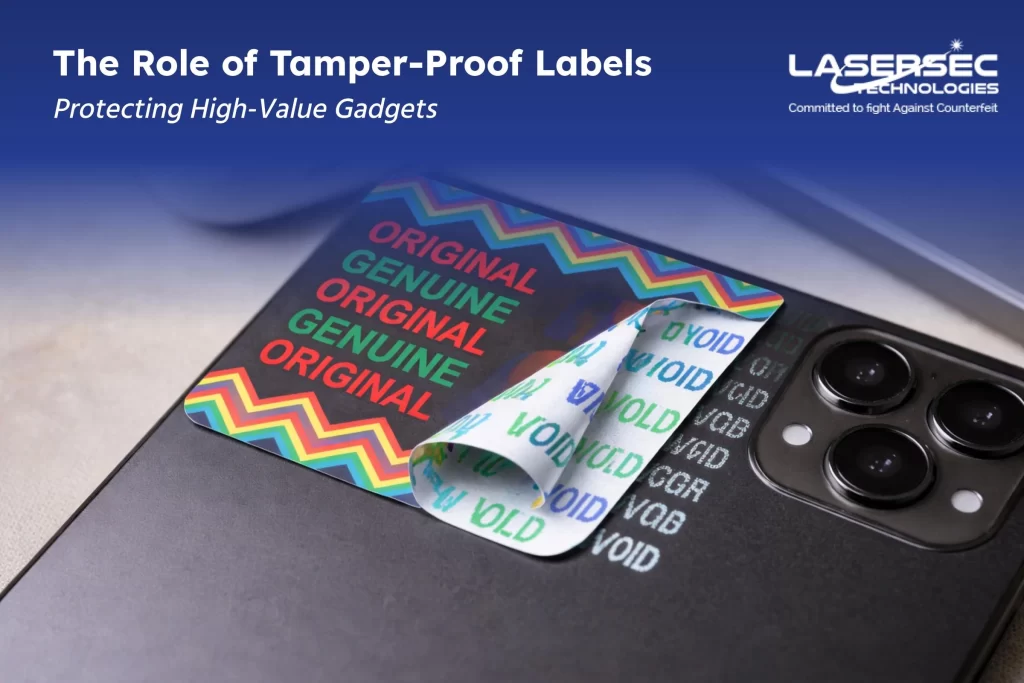
While QR codes protect digital identity, tamper-evident labels safeguard physical authenticity. These labels reveal visible signs — such as “VOID” marks or holographic breaks — if anyone tries to remove or alter them.

Why they’re essential for compliance:

  • They ensure product integrity during transit
  • Serve as proof of non-interference and genuine origin
  • Complement serialization and DPP data by confirming physical security
Together, tamper-evident and QR-enabled labels bridge the physical and digital worlds, creating a robust defense against counterfeiting and regulatory breaches.

4. How These Technologies Work Together

When integrated, QR codes and tamper-evident labels deliver a two-tier protection model:

LayerFunctionBenefit
Digital Layer (QR Code)Links each pack to live data and DPPEnables authentication and traceability
Physical Layer (Tamper-Evident Label)Shows visible signs of tamperingEnsures product safety and compliance integrity

This hybrid approach enables exporters to prove compliance instantly — both digitally and physically — meeting EU’s dual requirement of traceability and security.

5. Implementation Blueprint for Exporters

To align with the EU’s 2026 standards, Indian exporters should begin adopting these steps today:

  • Adopt Dynamic QR Codes:
    Implement secure, serialized QR codes linked to live cloud databases or blockchain.
  • Upgrade Labeling Infrastructure:
    Ensure your packaging lines support tamper-evident label application and QR code printing at the unit level.
  • Integrate with Track & Trace Systems:
    Synchronize label data with your ERP or MES to enable full supply chain visibility.
  • Partner with Trusted Solution Providers:
    Choose technology partners experienced in anti-counterfeit, serialization, and pharma-grade packaging.

6. Beyond Compliance: Building Trust and Value

Compliance may be the starting point, but smart labeling delivers much more:

  • Builds trust with regulators, distributors, and patients
  • Enhances brand reputation through transparency
  • Reduces counterfeit and recall risks
  • Positions your company as a future-ready exporter
By embracing smart packaging now, Indian pharma manufacturers can turn regulatory pressure into a competitive advantage.

Secure, Smart, and Ready for 2026

The EU’s digital packaging regulations are reshaping global pharma trade — and Indian exporters who act early will lead the way. By combining secure QR codes and tamper-evident labels, you can ensure every shipment is authentic, traceable, and regulation-ready.

At Lasersec Technologies, we specialize in pharma-grade anti-counterfeit solutions — from dynamic QR codes to tamper-evident holographic labels and complete Track & Trace integration. Let’s help you make your exports compliant, secure, and globally trusted.

Future-proof your packaging — one secure label at a time.