




Lasersec Technologies

5 Common Myths About Counterfeit Products You Need to Stop Believing

Counterfeit products are becoming an increasingly pervasive problem in today’s global marketplace. From luxury goods to everyday items, counterfeiters are producing and selling fake versions of products at an alarming rate. This poses a significant risk to businesses of all sizes, as counterfeit products not only hurt their bottom line but also damage their reputation and customer trust. 

Unfortunately, many business owners hold misconceptions about the impact of counterfeiting on their operations, leading them to believe that they are not at risk. 

In this blog post, we’ll debunk five common myths about counterfeit products and explain how they can harm your business.  By understanding the realities of counterfeiting and taking proactive steps to prevent it, businesses can protect themselves from the potentially devastating consequences of this illegal activity.

Myth 1:

Counterfeit products only affect big brands.

One common misconception about counterfeit products is that only big brands are at risk of counterfeiting. In reality, small and medium-sized businesses are also at risk. Counterfeiters don’t discriminate based on the size of the company. Any business with a product that is in demand is a potential target for counterfeiters.

For example, a small clothing company that sells popular designs could easily be targeted by counterfeiters looking to make a quick profit. This could lead to a loss of revenue, as well as damage to the company’s brand reputation.

Myth 2:

Counterfeit products only impact revenue.

Another common myth about counterfeit products is that they only impact a company’s revenue. In reality, counterfeiting can also damage a company’s brand reputation and customer loyalty. When customers purchase counterfeit products that are of inferior quality or don’t meet their expectations, they may associate those negative experiences with the legitimate brand.

For example, a consumer who purchases a counterfeit phone charger that fails to work could assume that the legitimate brand’s products are also unreliable. This can lead to long-term damage to a company’s reputation and loss of customer loyalty.

Myth 3:

Only products that are expensive or have high profit margins are counterfeited.

Some companies believe that only high-priced products or those with high profit margins are at risk of counterfeiting. However, counterfeiters can target any product, regardless of its price point or profit margin. In fact, low-cost products can be especially attractive to counterfeiters, as they can sell them at a high volume while still making a profit.

For example, counterfeiters have been known to produce low-cost items such as phone cases, jewelry, medicine, tyres etc. which can be sold in large quantities for a high profit margin.

Myth 4:

Only companies that manufacture products overseas are at risk of counterfeiting.

Another common myth is that only companies that manufacture products overseas are at risk of counterfeiting. However, counterfeiting can occur anywhere in the supply chain, from manufacturing to distribution to retail.

For example, a retailer that purchases products from a third-party supplier may unknowingly sell counterfeit products to customers, which can lead to reputational damage and loss of customer trust.

Myth 5:

There’s no way to prevent counterfeiting.

Finally, some companies may believe that there’s no way to prevent counterfeiting. While it’s true that it’s difficult to completely eliminate counterfeiting, there are steps businesses can take to reduce their risk.

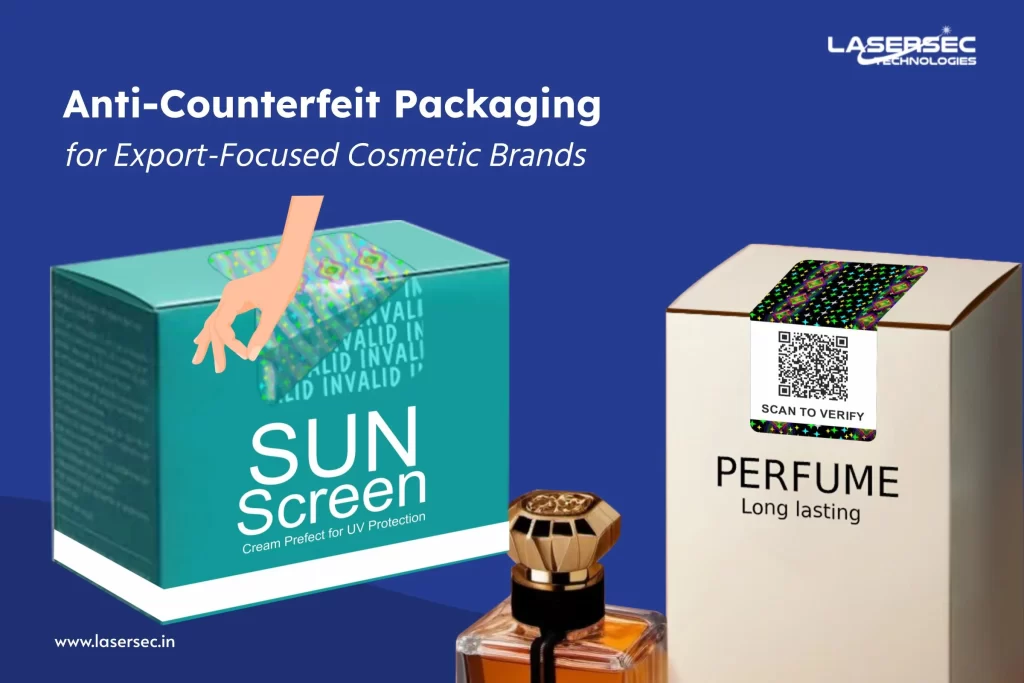
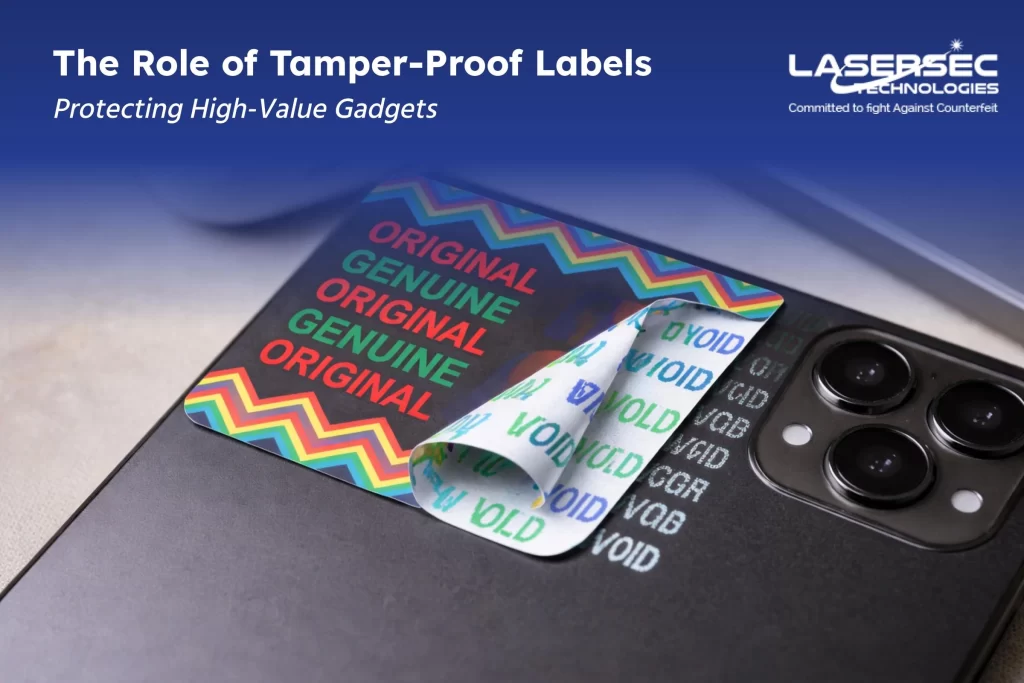
Investing in secure packaging solutions, such as hologram stickers or tamper-evident labels, can make it more difficult for counterfeiters to replicate products. Working with trusted manufacturers like us can also help ensure that the products being sold are legitimate.

We at Lasersec Technologies, recommend by understanding the realities of counterfeiting and take steps to protect the operations, businesses to reduce the risk of financial and reputational harm. Don’t let these common myths hold your business back from taking action against counterfeiting.

If you’re a manufacturer or business and looking for smart packaging for your products, look no further than us. We have the knowledge, experience, and expertise to help you to find the best solution that works for your business.

Reach out to us to discuss and ur team will provide you with tailored solutions and support to make the process as smooth as possible. We also One Stop Solution to fight against counterfeit and create a more secure environment for your business. With less counterfeiting, you can maintain sales and increase customer trust.

Shield your business with our advanced technology solutions

About Lasersec Technologies

We are one of the leading holographic solutions manufacturing company, that are used as an anti-counterfeiting device. Our R&D team from the production area is constantly dedicated to finding innovative solutions against counterfeits. Thus, we proudly emphasize on the fact that all our solutions are original ones without any interference from any other outside companies. We have successful business alliances located in Bangladesh, South Africa, Malaysia, Sri Lanka, Nepal, United Kingdom, and countries of Europe.

You can reach us via email at mktg@lasersec.in or by phone at +91-9810213127.
Share :

Related Blogs

QR Codes vs Holograms: What Works Best for Product Authentication?

In a world flooded with counterfeits and cautious consumers, product authentication is no longer optional—it’s essential. Brands today face the growing challenge of proving that their products are genuine.

Two powerful tools lead the fight: QR codes and holograms. But here’s the truth—it’s not about choosing one over the other. The strongest brands use both to build layers of trust and security.

The Real Problem: Proving What’s Genuine

Think about this:

A customer scans the code on your product but lands on a counterfeit website.  In seconds, you don’t just lose a sale—you lose their trust.

Counterfeit threats are real and rising:

  • Fake chargers.
  • Diluted skincare.
  • Counterfeit medicines.
Each fake puts your customers at risk and damages your brand’s reputation. Customers no longer accept promises—they demand proof. That’s where smart authentication solutions step in.

QR Codes: Instant Digital Authentication

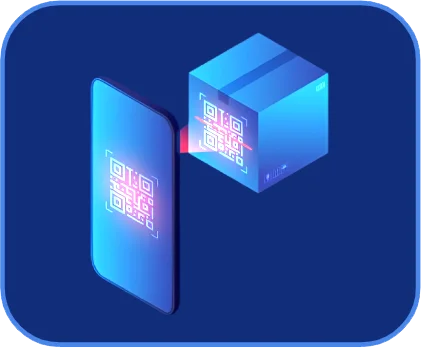
QR codes are like digital keys. One quick scan can unlock:

  • Product origin and supply chain journey.
  • Manufacturing and packaging dates.
  • Serial numbers and unique IDs.
  • Loyalty programs, customer feedback, or recall alerts.

Benefits:

  • Instant scanning with smartphones
  • Enables track and trace
  • Connects to real-time, dynamic information
  • Boosts post-purchase engagement
But Beware: QR codes can be copied by counterfeiters if not properly secured.

Holograms: Immediate Physical Proof

Holograms are visual security tools. Their shine, texture, and complexity make them almost impossible to duplicate.

Benefits:

  • Tamper-evident, adding immediate trust
  • Easy visual verification in stores
  • Adds premium appeal to packaging
  • Works without smartphones or internet
But Note: Holograms don’t store traceable or dynamic data.

The Smartest Solution: Combine Both for Maximum Security

The smartest brands are moving beyond “either-or.” They combine QR codes and holograms for multi-layered protection.

ScenarioBest SolutionWhy
In-store purchasesHologram + QR CodeImmediate visual check and scannable proof
E-commerce ordersQR Code + HologramDigital traceability with physical security
High-value pharma & electronicsQR Code + HologramFull track & trace + tamper-evident packaging
Luxury goods & collectiblesHologram + QR CodePremium appearance + consumer engagement
Customer loyalty campaignsQR CodeDirects buyers to secure apps, rewards, and feedback portals


Why You Should Always Use Both

  • Holograms protect the packaging.
  • QR codes confirm traceability and digital proof.

Together, they:

  • Strengthen your product’s first impression.
  • Provide layered security across the supply chain.
  • Protect both your physical goods and digital authenticity.

You’re not just safeguarding products—you’re securing:

  • Customer trust
  • Brand value
  • Supply chain integrity

Authentication is more than a feature—it’s your brand’s promise.

Trust Isn’t Automatic—You Have to Build It

  • QR Codes – Digital trust and smart traceability
  • Holograms – Visual security and tamper protection
  • Together – The strongest anti-counterfeit shield

At Lasersec Technologies, we specialize in tailored, multi-layered anti-counterfeiting solutions that protect your brand at every touchpoint—from the factory floor to the consumer’s hand. Ready to secure your products with next-gen authentication?

From Concept to Compliance: How R&D Can Prevent Counterfeiting in Pharma

In the world of healthcare, trust isn’t optional—it’s foundational. When a patient takes medicine, they aren’t just consuming a formulation—they’re placing their lives in the hands of pharmaceutical brands, regulators, and science.

But what happens when that trust is betrayed by counterfeit drugs?

Counterfeit medicines are more than a regulatory challenge; they’re a human crisis. From causing patient harm to disrupting supply chains and damaging brand credibility, the consequences are staggering. That’s why the fight against counterfeiting must begin far earlier than many companies realize—not in the warehouse or the pharmacy, but in the research lab.

Why R&D Is the First Line of Defense

For decades, anti-counterfeit strategies have been reactive—focused on packaging tweaks or post-launch investigations. But by that stage, the product is already in circulation, and risks have multiplied.

Integrating anti-counterfeiting measures at the R&D stage enables pharma companies to design products that are inherently secure. It’s about embedding protection within the DNA of the drug—from formulation to packaging. Early intervention ensures that a product isn’t just therapeutic, but tamper-proof, traceable, and trusted.

The Hidden Dangers of Delayed Protection

Delaying brand protection until after production or during distribution creates opportunities for counterfeiters. Once a fake medicine reaches a patient:

  • Regulatory penalties may follow.
  • Patient safety is compromised.
  • Brand trust takes a lasting hit.
Proactive protection, on the other hand, makes it far harder for bad actors to replicate or manipulate your products. It transforms the product into a self-verifying tool, not just a commodity.

Compliance Begins at the Research Table

With global regulatory frameworks tightening—like EU Falsified Medicines Directive (FMD), U.S. Drug Supply Chain Security Act (DSCSA), and TGA requirements in Australia—companies must demonstrate authenticity, traceability, and security from the outset.

Embedding regulatory compliance during R&D enables:

  • Easier serialization integration
  • Accurate data capture for global traceability
  • Faster approval and fewer redesign costs
When compliance is an afterthought, retrofitting solutions becomes expensive and error-prone. But when it’s embedded in development, it becomes a strength—not a stress.

Cost Today, Savings Tomorrow

Some stakeholders fear that early-stage protection adds unnecessary cost. In reality, the opposite is true.

Preventive measures are far more cost-effective than damage control:

  • A single counterfeit scandal can cost millions in recalls, legal fees, and brand damage.
  • Investing early reduces downstream risks, from litigation to loss of market share.
  • Robust products attract regulatory and consumer confidence—accelerating approvals and adoption.

Advanced anti-counterfeit technologies are now versatile, scalable, and R&D-friendly. By integrating these tools into the development phase, pharma companies create products that are resilient and verifiable:

1. Invisible Security Inks –

Embedded directly on blister packs or tablets for covert verification.

2. Tamper-Evident Packaging –

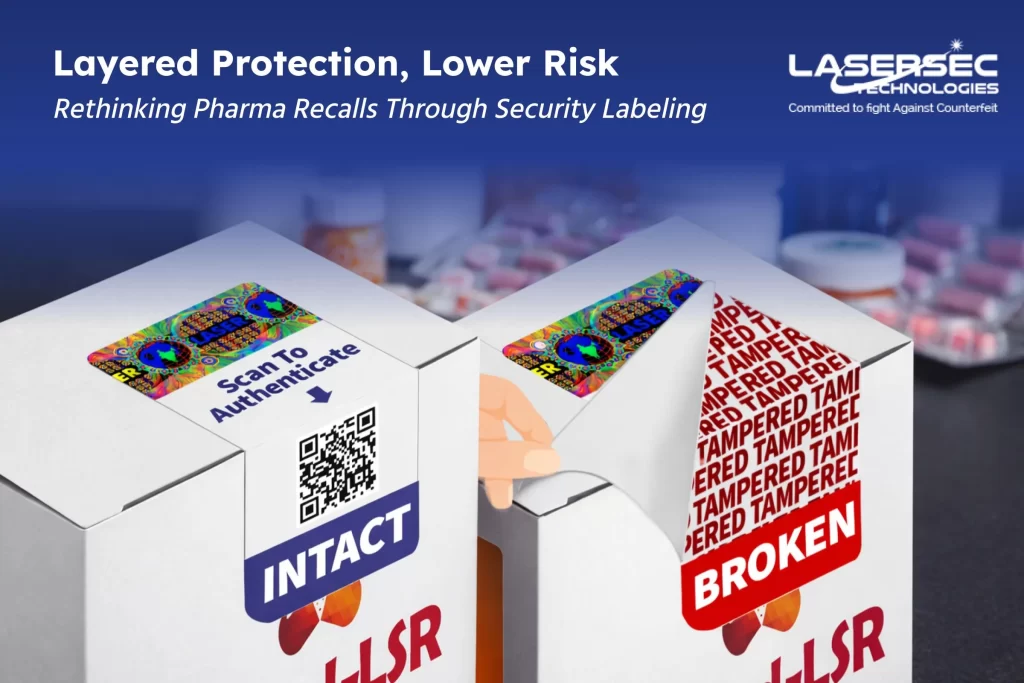
Custom seals that reveal breaches before reaching the end-user.

3. Blockchain & Track-and-Trace Systems –

Enabling immutable supply chain transparency.

4. Secure QR Codes & Digital Twins –

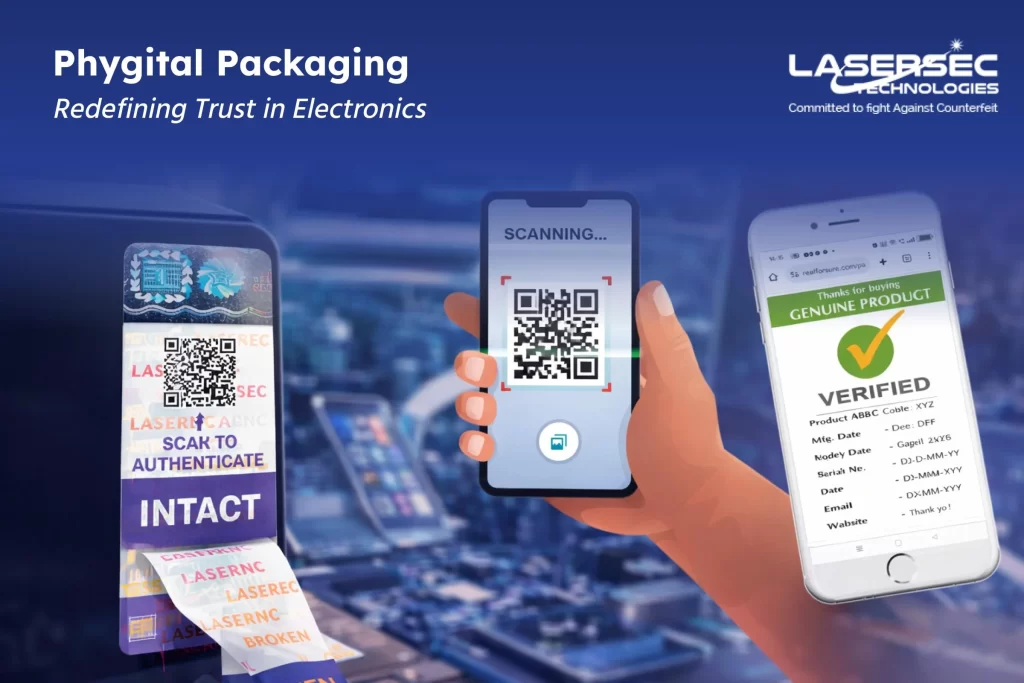
Real-time authentication via mobile scans.

Lasersec Technologies offers R&D-compatible solutions that support pharma brands in building layered, invisible protection—right from Day One.

Anti-counterfeiting isn’t just a packaging or compliance task—it’s a cross-functional mission. When R&D, compliance, packaging, marketing, and logistics teams collaborate early, the outcomes are:

  • Integrated protection strategies
  • Stronger risk mitigation frameworks
  • Faster innovation cycles

This shared responsibility creates a culture of accountability across the entire product lifecycle.

Looking Ahead: Prevent Early, Not Late

Counterfeiters are using smarter methods—AI-generated packaging, high-res replication, and fake serialization. The pharmaceutical industry must be one step ahead.

Embedding anti-counterfeit strategy during R&D is a future-focused, patient-centric move. It empowers companies to:

  • Reduce regulatory risks
  • Enhance product integrity
  • Build long-term trust

R&D is not just about drug discovery—it’s the first frontier of product protection.

At Lasersec Technologies, we empower pharma brands to build security into science. From secure inks and serialization systems to phygital authentication tools, we help you embed trust into every dose—starting from the concept phase.

Let’s talk.
Reach us at mktg@lasersec.in or call +91-9810213127 to explore R&D-ready brand protection solutions.