







Lasersec Technologies

Counterfeit, Pharma Industry, Fake, Duplicate, Medicine, Anti-Counterfeit Solution, Pharma, Fight Fake

Description: pexels-photo-163944.jpegCounterfeit Drugs, Genuine Solutions!

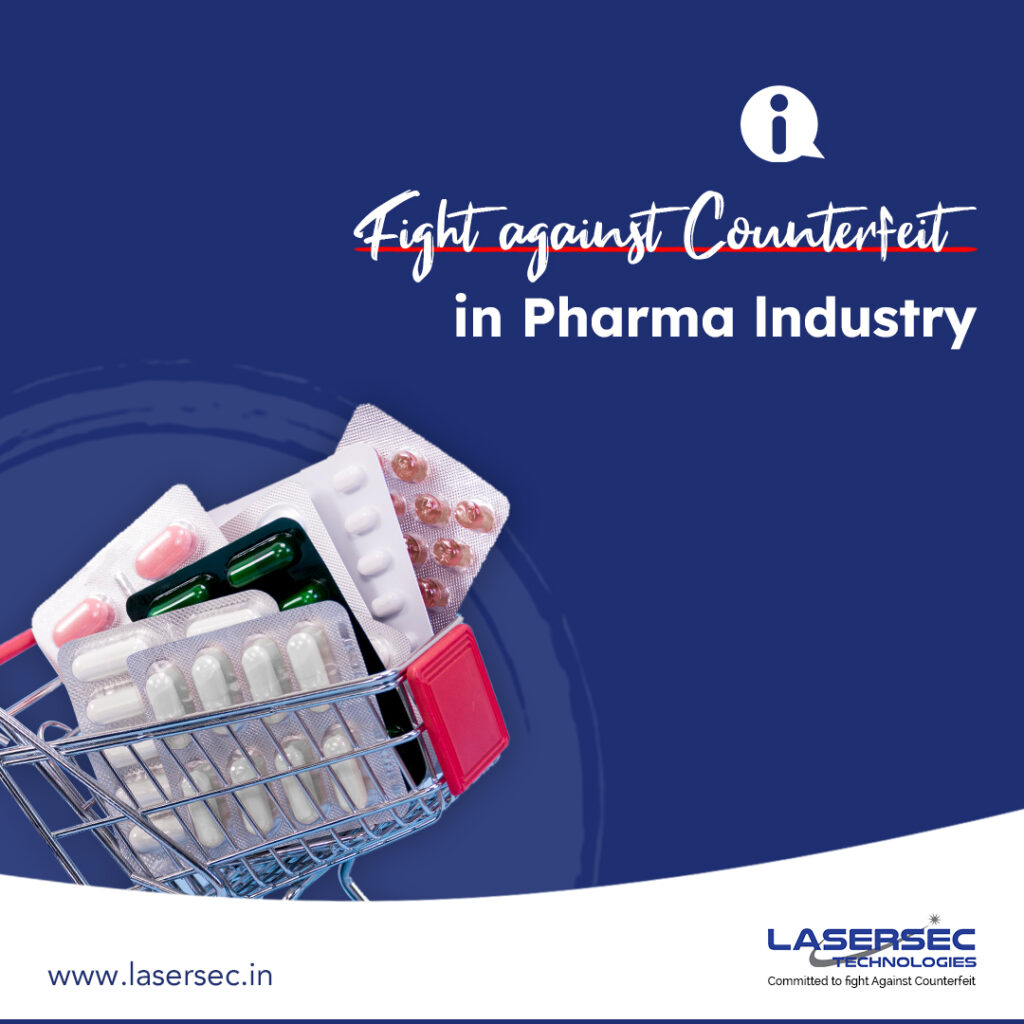
Fake medications still remain the topmost concern in the global pharmaceutical industry. Currently, in the intricate global economy, augmentation of online transactions and complex pharmaceutical supply chains has made it even more difficult to detect such counterfeit drugs.

The pharmaceutical industry is battling simultaneously against counterfeit drugs thriving online, and also in hospitals and pharmacies. These counterfeit drugs not only affect the reputation of the drug manufacturers and cause sales loss, but they are very much dangerous to our health too.The Imitation Spoon Is Full!

Description: 485195897.jpgAlthough, the magnitude of India’s counterfeit drugs industry is still unknown, but what is definite is that the situation needs immediate intervention and proper resources to stop such practices.

Presently, India has only around 1,200 drug inspectors to oversee the drug manufacturing companies that number somewhere amongst 6,000 and 15,000.

The good news is that; today, the industry is steadfast to control the problem of law enforcement; international organizations, pharmaceutical executives, and policymakers are employing a number of strong and effective strategies that are decreasing and curbing the extent of counterfeit drugs that move into users’ homes.

The following anti-counterfeit strategies are quite prevalent these days: 

1. Holograms
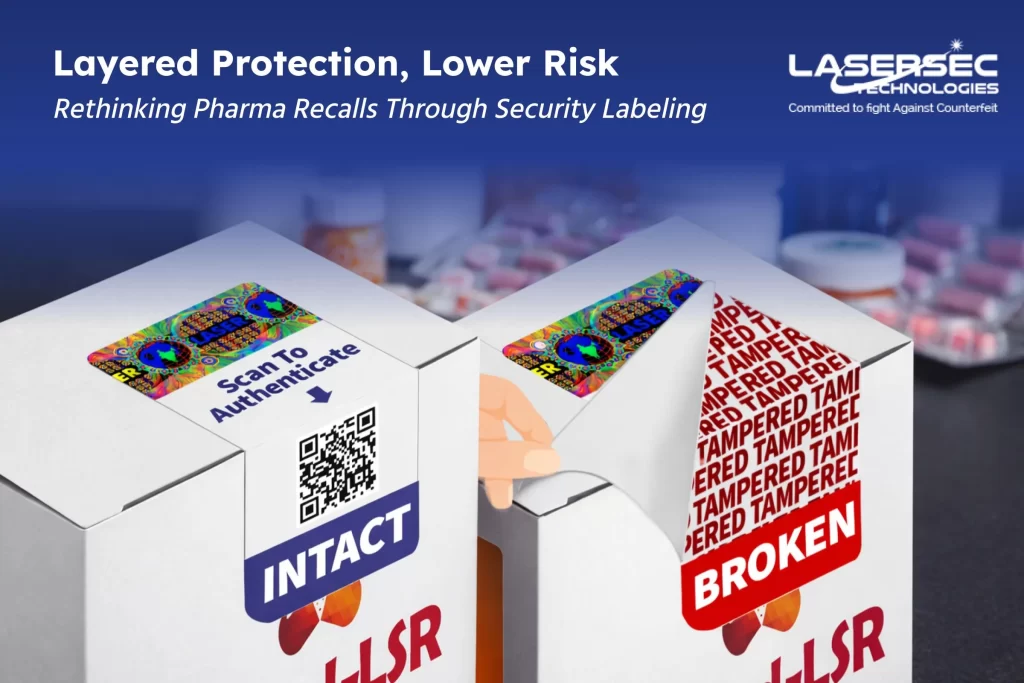
Holograms can integrate three-layered safety features and become the most potent defense against faking. Holograms can offer apparent first-line validation with hidden features like micro text, UV-sensitive, scrambled images, or other dedicated inks that provide next line substantiation for trained inspectors and proper decrypting tools.

2. Tamper-Resistant Packing
The drug packaging is having a barrier for the entry or there is an indicator; which, if ruptured or absent, would offer audible or visible evidence to customers that tampering or meddling has occurred. For example, shrinkable bands and seals, breakable caps, film wrappers, blister packs, tape seals, etc.

3. Global Trade Item Number (GTIN)
In this method, a 14/13/12/8 numerically unique identification code is allocated by the manufacturer according to the GS1 allocation rules for products, or services, or trade items. It is created from a prefix from the name of the company allotted by GS1, a check digit, and an item reference number entitled by the company.

4. Serialized Global Trade Item Number (sGTIN)
This process includes creating a unique identification number to classify a specific product, by affixing a serial number to the GTIN of the item.

5. Pedigree
This is a kind of track and trace technology. It is an electronic file or a paper document that archives the particulars of circulation of a prescription drug from the manufacturer via wholesale dealings, till it is received by the distributor, which is generally a physician or a pharmacist. The individual receiving a pedigree together with the drug consignment must validate that every documented distribution took place and that the information related to the drug specification like manufacturing date and lot number is accurate. This system is intended to ascertain that prescription drugs cannot be side-tracked or substituted easily with counterfeit drugs.

6. Mass Serialization
This comprises the procedures of producing, coding, and authenticating the unique identity of individual drugs. Without this, the legitimacy and authenticity of the pedigree link only to the lot number comprising thousands of bottles. When serialization is united with track and trace method, it assists in the tracking of drugs through the supply chain and permits for planned identification of drugs for withdrawal.

7. Data Carriers
These are graphical structures used to communicate the drug identifiers and related information in the system and/or human decipherable format. A tag, label, or mark, applied at the production base depicts them. Computer decipherable formats comprise two dimensional (2D), linear barcodes and radio frequency identifier (RFID) tags.

Drug counterfeiting is a vital problem addressed by a number of countries. And the unfortunate truth is that counterfeiting drugs are hard to eradicate, and the popularity of the e-commerce and internet too are posing new challenges and threats to the drug manufacturers and governing authorities. Although the figures will differ, WHO assesses that almost 10% of all drugs are counterfeit.

But the good news is that the whole industry continues to work collaboratively and make prodigious progressions in restricting the problem. Profounder partnerships augmented co-operation, and more sharing of the resource will assist in keeping the patients safe and the fakers behind the bars. The government has become more and more proactive in stopping counterfeiting.

The Indian drug controller general has recommended a modification of the Drugs and Cosmetics Act requiring that every single drug manufacturer in the country should have a 2D barcode and a unique identification code and on the packaging, whereby, genuineness can be certified by text message. The state drug controllers are conducting surprise inspections to check the quality of the drug on the monthly basis.

And in such inspections, samples are withdrawn from pharmacies, government hospitals, and wholesalers and appropriate actions under the drugs and Cosmetics Act, 1940, are taken against the manufacturers.

Recently, the Health Ministry has appointed 200 drug inspectors to keep a check, particularly on counterfeit medicines. To avoid penalties, cancellation of licenses, prosecutions under drugs and Cosmetics Act, 1940, and piracy of drugs, the manufacturers should adopt and implement new technologies and new initiatives.

For more information, log on to www.lasersec.in
Share :

Related Blogs

Anti-counterfeit packaging for export-focused cosmetic brands ensuring product authenticity

Exporting cosmetic products reflects growth, global acceptance, and rising consumer trust. However, international markets also bring stricter regulatory requirements and increased counterfeiting risks. Today, cosmetic exporters must ensure their packaging not only protects the product but also proves its authenticity and compliance.

Anti-counterfeit packaging has become essential for cosmetic brands expanding globally. It protects products from duplication and tampering, supports regulatory compliance, and ensures safe distribution across complex international supply chains.

What Is Anti-Counterfeit Packaging in Cosmetic Exports?

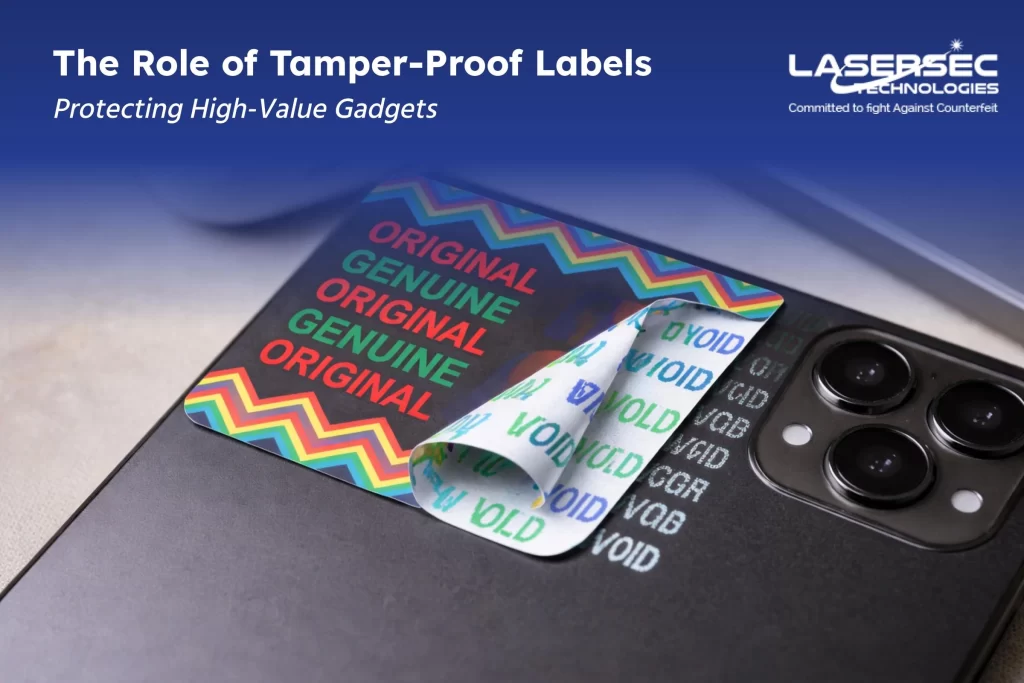
Anti-counterfeit packaging refers to the integration of security features such as holographic labels,tamper-evident seals,destructible labels, and digital authentication codes to prevent product duplication, tampering, and unauthorized replacement.

These packaging authentication solutions help cosmetic exporters:

  • Verify product authenticity across supply chains
  • Prevent counterfeit cosmetic products from entering markets
  • Ensure compliance with international packaging regulations
  • Protect consumers from unsafe or fake formulations
  • Strengthen brand protection and global credibility
Secure packaging acts as the first layer of defense against counterfeiting.

Why Secure Cosmetic Packaging Is Critical for Export Markets

Exported cosmetic products pass through multiple checkpoints, including customs authorities, distributors, warehouses, and retailers. At every stage, packaging serves as proof of product authenticity and integrity.

Without anti-counterfeit packaging, cosmetic brands may face:

  • Customs clearance delays or shipment rejection
  • Regulatory compliance issues
  • Product substitution or tampering risks
  • Authentication challenges for distributors
  • Increased exposure to counterfeit activities
Secure packaging helps regulators and partners quickly verify product authenticity, ensuring smoother export processes.

Counterfeiting Risks in Global Cosmetic Distribution

Counterfeit cosmetic products are a growing global concern, especially for premium and export-focused brands. High demand and complex supply chains create opportunities for counterfeiters to introduce fake products.

Common counterfeiting methods include:

  • Replicating cosmetic packaging designs
  • Refilling original containers with unauthorized formulations
  • Reusing genuine packaging for counterfeit products
  • Replacing products during storage or transit

These incidents can result in financial losses, shipment rejection, regulatory penalties, and long-term damage to brand reputation.

Anti-counterfeit packaging solutions help prevent these risks by making tampering visible and duplication difficult.

Key Anti-Counterfeit Packaging Solutions for Cosmetic Brands

Effective cosmetic anti-counterfeit packaging uses multiple security features to provide layered protection.

1. Tamper-Evident Labels and Seals

Tamper-evident labels provide visible proof if a product has been opened or altered. These seals break, tear, or show visible damage when tampered with.

Benefits include:

  • Immediate tamper detection
  • Increased consumer confidence
  • Improved regulatory compliance
  • Protection against unauthorized access

Tamper-evident labels are widely used on cosmetic bottles, jars, and cartons.

2. Holographic Security Labels

Holographic security labels are highly effective anti-counterfeit packaging solutions due to their complex optical structure, which is difficult to replicate.

Key advantages include:

  • Instant visual authentication
  • Strong counterfeit deterrence
  • Improved brand protection
  • Easy verification by distributors and regulators

Security holograms enhance both authentication and brand credibility.

3. Void and Destructible Labels

Void labels and destructible labels prevent unauthorized removal or reuse. When tampered with, they leave behind a permanent mark or break apart.

These features help:

  • Prevent label reuse
  • Detect tampering instantly
  • Maintain packaging integrity
  • Protect against product substitution

They are especially useful for cosmetic cartons and sealed packaging.

4. QR Codes and Digital Authentication

QR code-based authentication enables real-time product verification. Distributors, regulators, and consumers can scan codes to confirm authenticity.

Benefits include:

  • Improved supply chain traceability
  • Fast and reliable authentication
  • Increased transparency
  • Enhanced brand protection

Digital authentication strengthens anti-counterfeit protection throughout global distribution.

Supporting Compliance with International Cosmetic Regulations

Global cosmetic markets increasingly require packaging that supports authentication, safety, and traceability. Regulatory authorities expect cosmetic brands to implement preventive measures against tampering and counterfeiting.

Anti-counterfeit packaging helps cosmetic exporters:

  • Meet international packaging authentication requirements
  • Strengthen product traceability
  • Reduce customs inspection delays
  • Improve regulatory compliance readiness
  • Demonstrate commitment to consumer safety
Secure packaging simplifies regulatory verification and supports smoother export operations.

Protecting Cosmetic Brand Reputation in Global Markets

When cosmetic brands enter new markets, packaging plays a critical role in building trust. Any counterfeit or tampered product can damage brand credibility and consumer confidence.

Anti-counterfeit packaging helps brands:

  • Ensure only genuine products reach customers
  • Protect products across unfamiliar supply chains
  • Strengthen distributor confidence
  • Maintain brand integrity globally
  • Support long-term market expansion
Secure packaging reinforces trust among regulators, distributors, and consumers.

Anti-Counterfeit Packaging Solutions for Cosmetic Exporters

Implementing anti-counterfeit packaging solutions helps cosmetic brands strengthen product security and compliance across international markets. These solutions integrate with existing packaging formats while providing clear authentication and tamper evidence.

Security packaging enables cosmetic exporters to:

  • Prevent counterfeiting and product tampering
  • Improve authentication across supply chains
  • Support global regulatory compliance
  • Protect brand reputation and product integrity
  • Ensure safe and secure international distribution
By securing packaging, cosmetic brands reduce export risks and improve operational reliability.

How Lasersec Technologies Supports Cosmetic Brands with Secure Export Packaging

At Lasersec Technologies, we help cosmetic brands strengthen export readiness through advanced anti-counterfeit packaging solutions designed for global distribution. Our expertise includes holographic security labels, tamper-evident seals, destructible labels, and secure QR code authentication—each engineered to prevent tampering, enable product authentication, and support regulatory compliance.

Our solutions integrate seamlessly with existing cosmetic packaging formats while providing visible and verifiable protection across the supply chain. This helps brands reduce the risk of shipment rejection, improve authentication confidence among distributors and regulators, and protect product integrity in international markets.

By combining physical security features with authentication technologies, we enable cosmetic exporters to build trust, meet compliance expectations, and protect their brand reputation across global markets. You can also explore our complete anti-counterfeit product portfolio or contact our team for guidance.

Tamper-proof seals on daily-use products ensuring safety and hygiene

A consumer picks up a bottle of cooking oil, a pack of biscuits, or a personal care product from a store shelf. Before checking the price or brand, there is a quiet, instinctive question:

Has this product been opened before?

In the FMCG sector, where products are consumed daily and often immediately, consumer trust is built in seconds. Tamper-proof seals play a decisive role in this moment. They provide visible proof of product safety, protect hygiene, and reassure consumers that the brand has taken responsibility seriously.

For FMCG brand owners, packaging professionals, and quality teams, tamper-evident packaging is no longer optional. It is a foundational element of consumer confidence and brand protection.

Why Tamper Evidence Is Critical in the FMCG Industry

Fast-moving consumer goods directly affect health, hygiene, and everyday well-being. Even a small doubt about product integrity can lead to immediate rejection.

Without effective tamper-proof packaging, brands face risks such as:

  • Loss of consumer trust at the point of purchase
  • Product rejection at first use
  • Brand damage amplified through social media and word of mouth
  • Regulatory and retailer compliance challenges

Unlike durable goods, FMCG products allow no margin for uncertainty. A broken seal, loose cap, or unclear opening mechanism can raise concerns about contamination, adulteration, or prior use.

Tamper-evident seals eliminate this uncertainty by providing clear, irreversible evidence of first opening.

What Are Tamper-Proof Seals and How Do They Work?

Tamper-proof seals are packaging features designed to make any unauthorized opening immediately visible and impossible to reverse without detection.

Common tamper-evident packaging mechanisms used in FMCG include:

Once opened, these mechanisms cannot return to their original state. This simple principle—open once, show forever—is what makes tamper-proof seals so effective for consumer safety and trust.

How Tamper-Proof Seals Reassure Consumers at the Point of Purchase

Consumers may not understand packaging technology, but they clearly understand visual safety cues.

Tamper-evident packaging reassures consumers by offering:

  • Immediate visual confirmation that the product is untouched
  • Clear break-to-open indicators signaling first use
  • A consistent safety experience across batches and retail locations

This reassurance is especially important in high-sensitivity FMCG categories such as:

  • Food and beverages
  • Dairy and edible oils
  • Personal care and cosmetics
  • Home hygiene and cleaning products
  • Baby care and wellness items
In these segments, visible packaging safety directly influences buying decisions.

Maintaining Product Safety and Hygiene Across the Supply Chain

From manufacturing facilities to retail shelves, FMCG products pass through multiple touchpoints. Tamper-proof seals act as a silent guardian throughout this journey.

They help brands:

  • Detect unauthorized access during transportation and storage
  • Prevent product substitution, refilling, or partial usage
  • Reduce contamination and mishandling risks
  • Maintain hygiene until final consumption
For quality assurance and compliance teams, tamper-evident packaging provides a built-in control mechanism—one that complements audits, inspections, and process controls.

Protecting Brand Reputation in a Competitive FMCG Market

Brand reputation in FMCG is fragile and hard-earned. A single safety incident—real or perceived—can undo years of trust.

Tamper-proof seals support brand protection by:

  • Demonstrating accountability and transparency
  • Reducing the risk of counterfeit or refilled products entering the market
  • Supporting regulatory and retailer packaging requirements
  • Reinforcing a brand’s commitment to consumer well-being

When consumers repeatedly experience sealed, safe, and reliable packaging, trust becomes habitual—and brand loyalty follows.

Tamper Evidence as a Brand Trust Signal

Modern consumers expect brands to anticipate risks, not react to them. Tamper-proof seals send a subtle but powerful message:

This brand has prioritised your safety before you even asked.

For packaging and brand protection leaders, tamper evidence goes beyond compliance. It becomes a visible signal of responsibility, quality, and care—values that increasingly influence consumer choice.

Building Consumer Confidence Beyond the First Use

Consumer confidence does not end at the point of purchase. It extends to the moment of opening, daily usage, and repeat buying decisions.

A well-designed tamper-proof seal ensures that:

  • The first interaction reinforces trust
  • Product safety expectations are consistently met
  • Consumers feel confident repurchasing the same brand
In a category defined by frequent replacement and intense competition, this consistency is what separates trusted FMCG brands from forgettable ones.

Final Thoughts: Small Seal, Lasting Impact on FMCG Brands

Tamper-proof seals may appear simple, but their impact on FMCG packaging security is significant. They safeguard product integrity, protect hygiene, support compliance, and—most importantly—build consumer confidence where it matters most.

For FMCG brands focused on long-term trust, safety, and sustainable growth, investing in effective tamper-evident packaging is not merely a regulatory step. It is a strategic decision that strengthens the relationship between the brand and the consumer—one seal at a time.

How Lasersec Technologies Supports Smarter Packaging Security

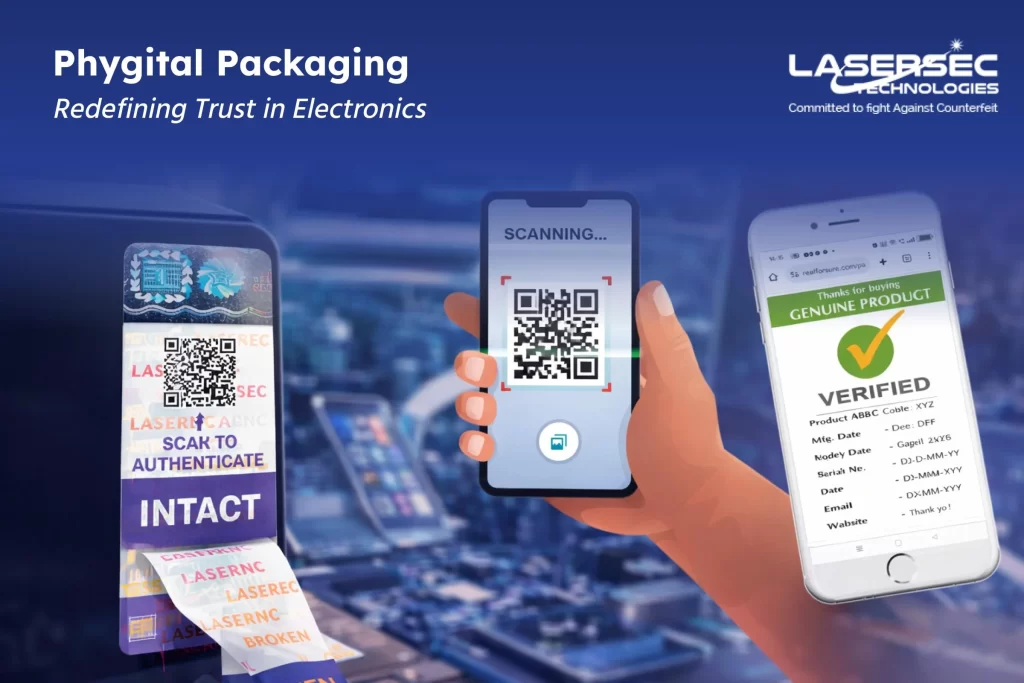
At Lasersec Technologies, we help FMCG brands strengthen consumer trust through tamper-evident andphygital packaging solutions that combine visible security with digital authentication. Our solutions integrate security holograms, tamper-proof labels, QR-based verification, and track-and-trace systems to protect products across the supply chain. Each deployment is designed to meet compliance requirements while reinforcing brand integrity and packaging reliability.

Partner with Lasersec Technologies for Trusted FMCG Packaging

From food and personal care to hygiene and wellness products, Lasersec Technologies works with FMCG brands to build packaging systems that consumers can trust at first glance. Connect with our team to explore how tamper-evident and phygital packaging can strengthen your brand protection strategy.