




Lasersec Technologies

Terrifying Fake Antibiotics: The Proven Packaging Blueprint That Stops Them

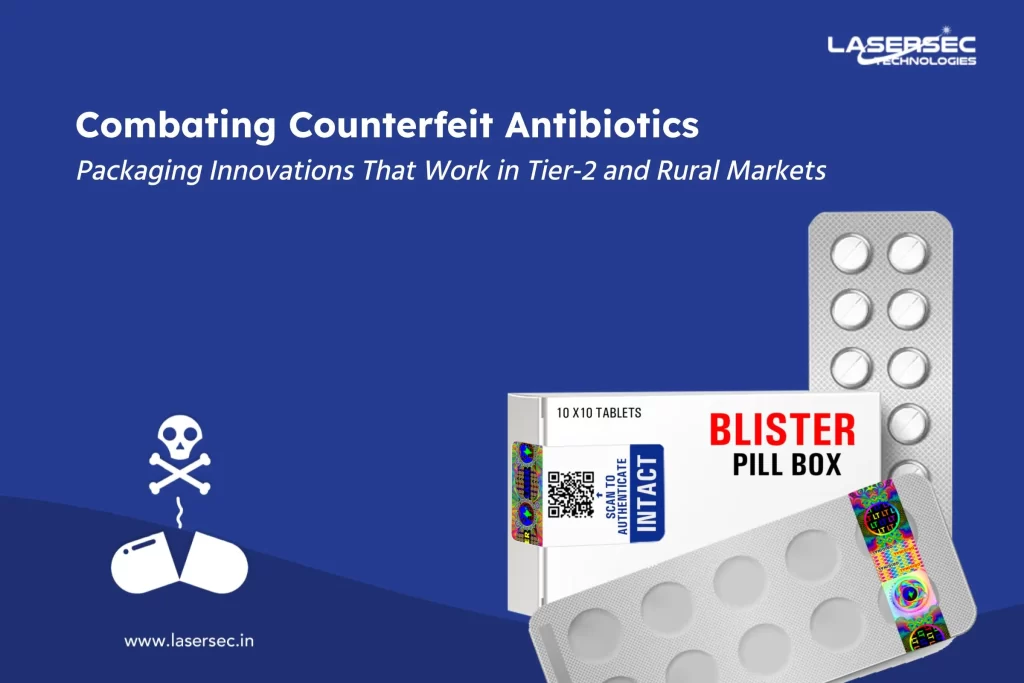
Combating Counterfeit Antibiotics-Packaging Innovations That Work in Tier-2 and Rural Markets

Imagine a patient in a small town buying antibiotics with hope for recovery, only to later discover the medicine was fake. This isn’t just a business challenge; it’s a human crisis that threatens lives and erodes trust in healthcare.

According to the World Health Organization (WHO), about 1 in 10 medical products in low- and middle-income countries is substandard or falsified, with antibiotics among the most commonly counterfeited. In India, this issue is especially severe in tier-2 and rural markets, where patients depend heavily on affordable medicines but have fewer tools to verify authenticity.

For domestic pharma companies with mass-market distribution, protecting these communities goes beyond compliance — it’s about safeguarding public health and protecting brand trust in the very markets where demand is highest.

Why Rural and Tier-2 Markets Face Bigger Risks

Medicines in rural areas often pass through long, complex distribution chains before reaching patients. With fewer regulatory checks, limited pharmacist training, and high demand for low-cost antibiotics, counterfeiters exploit every gap.

Why antibiotics?

  • They are the most prescribed medicines in rural India.
  • Counterfeit versions are easy to circulate undetected.
  • Fake or substandard antibiotics fuel antimicrobial resistance (AMR), making genuine treatments less effective.
The result: 
patients don’t recover, resistance spreads, and pharma brands lose credibility.

Practical Packaging Solutions That Work on the Ground

Domestic pharma leaders don’t need futuristic tech — simple, field-proven solutions can protect both patients and business in high-risk markets:

1. QR Codes for Instant Verification

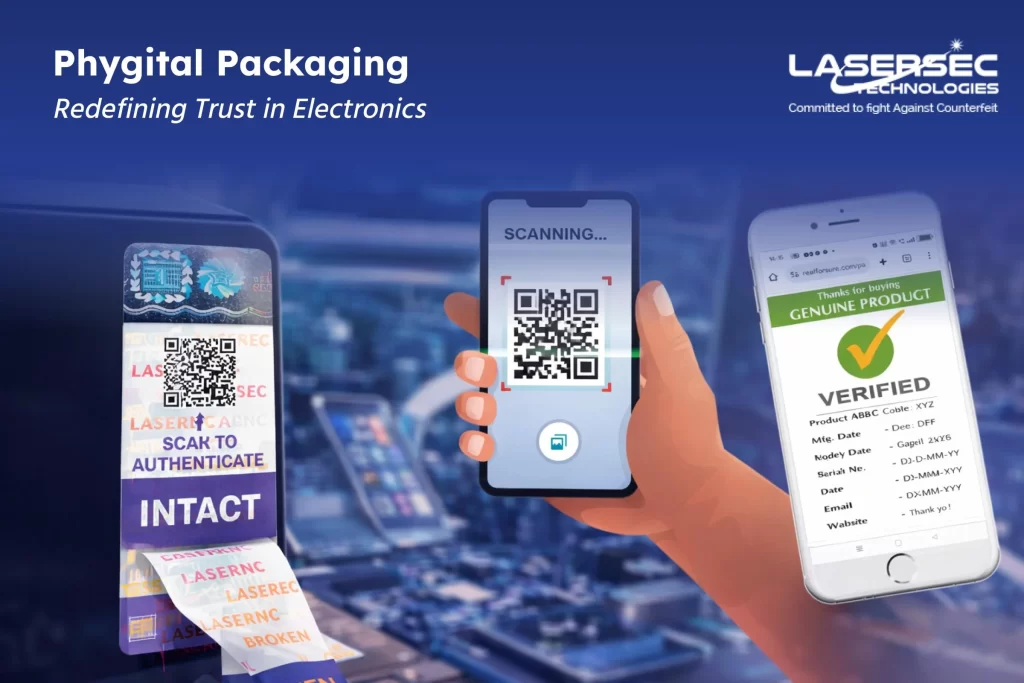
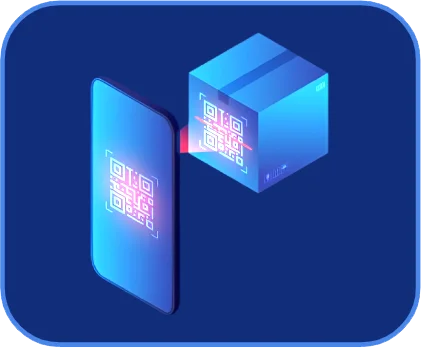
With smartphone use now above 50% in tier-2 and rural India, secure QR codes allow patients and chemists to scan and confirm authenticity in seconds.

2. Scratch-to-Reveal Codes

A cost-effective feature where patients scratch a panel to uncover a one-time code, then send it via SMS for instant confirmation. Perfect for regions with poor internet but reliable mobile coverage.

3. Toll-Free Number Verification

For areas where smartphones are less common, patients can call a toll-free number, enter the pack code, and receive immediate confirmation.

4. Serialization & Track-and-Trace

For companies looking at scale, serialization (unique pack codes) with Track-and-Trace systems enables full supply chain visibility. While CDSCO already mandates serialization for exports, extending it domestically creates a powerful barrier against counterfeits.

Even the best packaging features work only if people know how to use them. Pharma companies can build trust by:

  • Printing clear calls-to-action on packs like “Scan to Verify” or “Scratch and SMS to Confirm.”
  • Training distributors, chemists, and field staff to explain features.
  • Partnering with health workers and pharmacist associations to promote safe buying practices.

What Pharma Companies Can Do Today

  • Adopt at least one low-cost anti-counterfeit feature suited to your market.
  • Train distributors and field teams to guide chemists on how to use these features.
  • Print simple instructions on every pack to drive patient adoption.
  • Monitor ground feedback and refine your packaging strategy over time.

Beyond Packaging: Partnerships Multiply Impact

Technology works best when paired with collaboration.

Pharma companies can:

  • Partner with local health workers to raise awareness.
  • Work with pharmacist associations to block counterfeit circulation.
  • Align with regulators like CDSCO — and globally with bodies like TGA and USFDA — to meet compliance while building consumer confidence.

Why Acting Now Matters

Counterfeiting in non-urban supply chains is no longer just a rural problem — it’s a nationwide risk. Ignoring it can result in regulatory challenges, lost market share, and, most importantly, lives lost.

By contrast, acting now with practical anti-counterfeit packaging creates an opportunity to:

  • Protect patients where they are most vulnerable.
  • Safeguard your brand in India’s fastest-growing pharma markets.
  • Position your company as a trusted healthcare partner at home and globally.
Because at the end of the day, packaging isn’t just about protecting a product — it’s about protecting people.

Moving Forward with Safer Packaging

At Lasersec Technologies, we help pharma companies design practical anti-counterfeit packaging solutions — from scratch panels and QR codes to serialization and Track & Trace.

Backed by compliance expertise and real-world field success, our goal is simple: to help you protect patients, build trust, and stay ahead of counterfeiters in both rural India and global markets.
Share :

Related Blogs

How Tamper Evident Packaging and Track & Trace Strengthen Anti-Counterfeiting Measures

You trust the seal. So does your customer.
But what if both can be faked?

In today’s hyper-competitive and counterfeit-prone market, trust is no longer a given—it must be earned, secured, and verifiable. One compromised product doesn’t just mean financial loss. It means broken trust, customer complaints, and reputational damage.

For quality assurance teams, brand managers, and packaging heads, the challenge is clear: protecting your product is protecting your brand.

The Dual-Layer Security Model

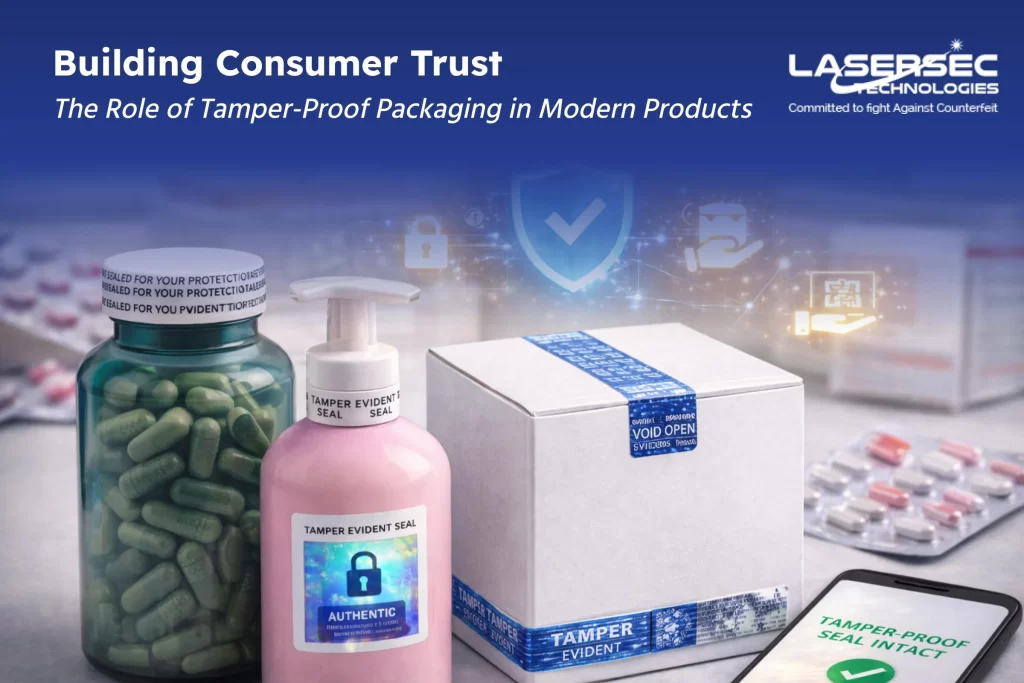
Forward-thinking brands are now adopting a two-pronged security approach: Tamper-Evident Packaging + Track & Trace Technology
One is a physical deterrent. The other is a digital watchdog. Together, they form a resilient shield against fraud.

1. What These Tools Actually Do

Tamper-Evident Packaging

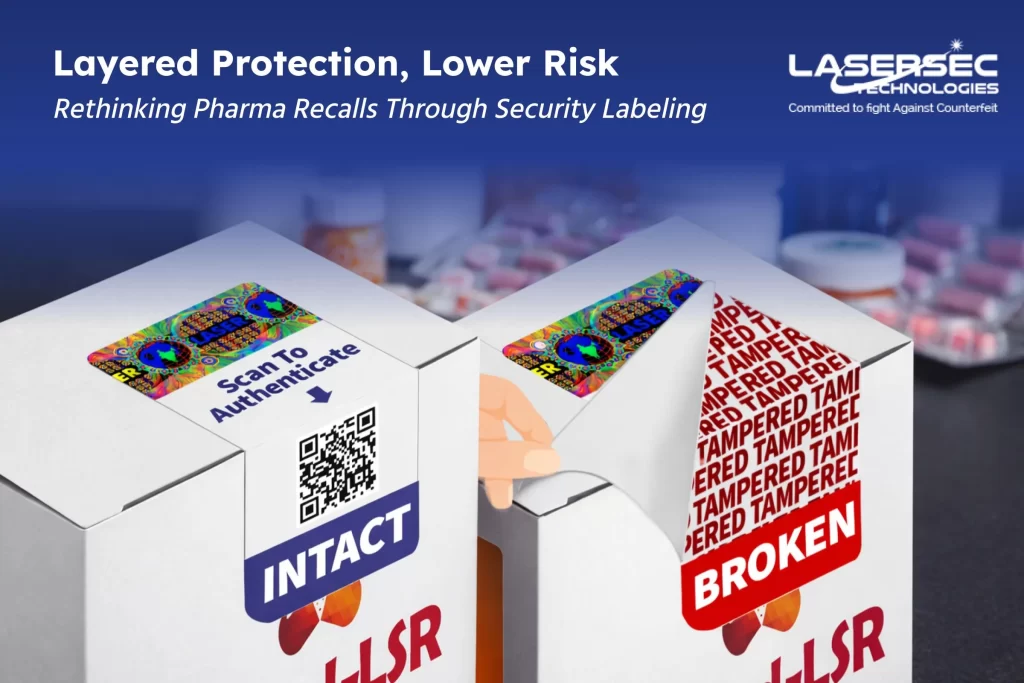
These packaging elements display clear signs of interference.
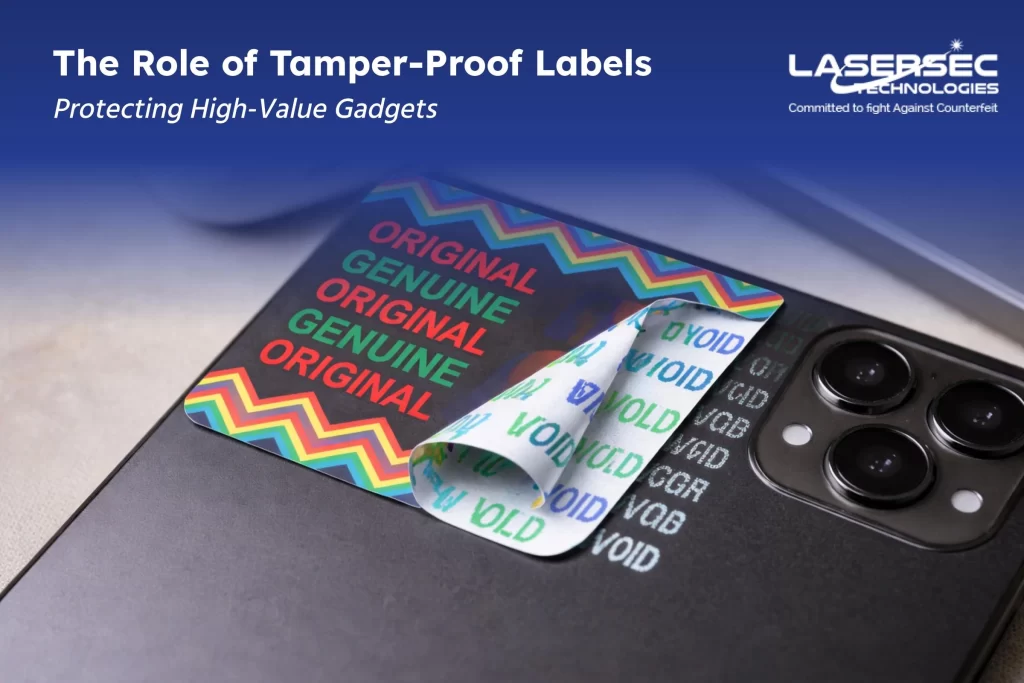
Think broken seals, VOID labels, or peeled films—immediate red flags for both consumers and supply chain teams.

2. Track & Trace Systems

Every unit is assigned a unique serialized identity, often through GS1 barcodes or QR codes.
Each scan updates the unit’s journey from production to retail, enabling full traceability and real-time monitoring through secure platforms.

Bonus: Advanced T&T systems now integrate with cloud-based dashboards, AI-based alerts, and mobile authentication tools.

Relying on only one method is like locking your front door but leaving the windows wide open.

  • Tamper seals can be replicated.
  • Digital codes can be copied.

But when combined:
Physical evidence + Digital validation = A failsafe authentication system that’s far harder to breach.

Real Time Impacts

  1. Pharmaceuticals: A sealed pack and a scannable QR code validate medication at the pharmacy. Brands using serialization aligned with DSCSA/EU FMD have reduced counterfeit reports and met compliance faster.
  2. Electronics: With encrypted QR codes and tamper seals, brands can detect unauthorized resellers and trace diversion to the source. Less warranty fraud and tighter market control.
  3. FMCG & Personal Care: A beauty brand added tamper-evident seals and scannable codes after fake products emerged online. 38% drop in complaints, increased repurchase rates, and renewed customer trust.

Why This Approach Works

  • Visible Proof:
    Customers know if the product has been tampered with.
  • Digital Traceability:
    Brands know exactly where and when a breach occurred.
  • Rapid Response:
    Identify and contain supply chain risks in real time.
  • Compliance-Ready:
    Stay ahead of evolving global regulations.
  • Brand Loyalty:
    Build trust through transparency, safety, and action.

You don’t need a massive overhaul.

Start small like:

  • Apply tamper-evident holographic labels to premium or high-risk SKUs.
  • Add QR codes connected to a secure backend system.
  • Educate your distributors and customers on scanning and verification.

Then, scale as your confidence and ROI grow.

Your Packaging Is More Than a Box

It’s your handshake, your promise, your presence in places you can’t be.

With tamper-evident packaging and track & trace working in tandem, your packaging becomes a:

  • Silent Guardian
  • Smart Communicator
  • Powerful Brand Asset

Let’s Build Smarter, Safer Packaging – Together

At Lasersec Technologies, we specialize in merging physical security with digital intelligence. Our solutions are tailored for pharma, electronics, FMCG, automotive, and consumer brands looking to stay ahead of counterfeiting risks.

The Shift from Traditional Labels to Interactive Packaging: What Brands Need to Know

Ever held a medicine pack and wondered—is this real? Is it safe?

Your customers, pharmacists, and regulators are asking the same questions every day. And the answers often begin not with a product demo or a marketing campaign—but with what’s printed, sealed, or embedded on your packaging.

We’re entering a new era—where the label isn’t just a sticker. It’s a source of truth.

The shift from traditional labels to interactive packaging is redefining how pharmaceutical brands build credibility, deliver transparency, and protect their reputation.

Why Traditional Labels Aren’t Enough Anymore

For decades, a logo, a batch number, or a hologram gave a basic sense of authenticity. But today’s pharmaceutical buyers, regulators, and patients are more informed and more skeptical. They want proof, not promises—and they want it instantly.

Consumers, pharmacists, and regulators now ask:

  • Where was this product made?
  • Is it safe to use?
  • Has it been tampered with or copied?
  • Can I trace it to the source?
A static label can’t answer these. And in an age where counterfeiting, unauthorized distribution, and regulatory audits are rising—relying only on traditional packaging methods puts patients, companies, and supply chains at risk.

What Is Interactive Packaging?

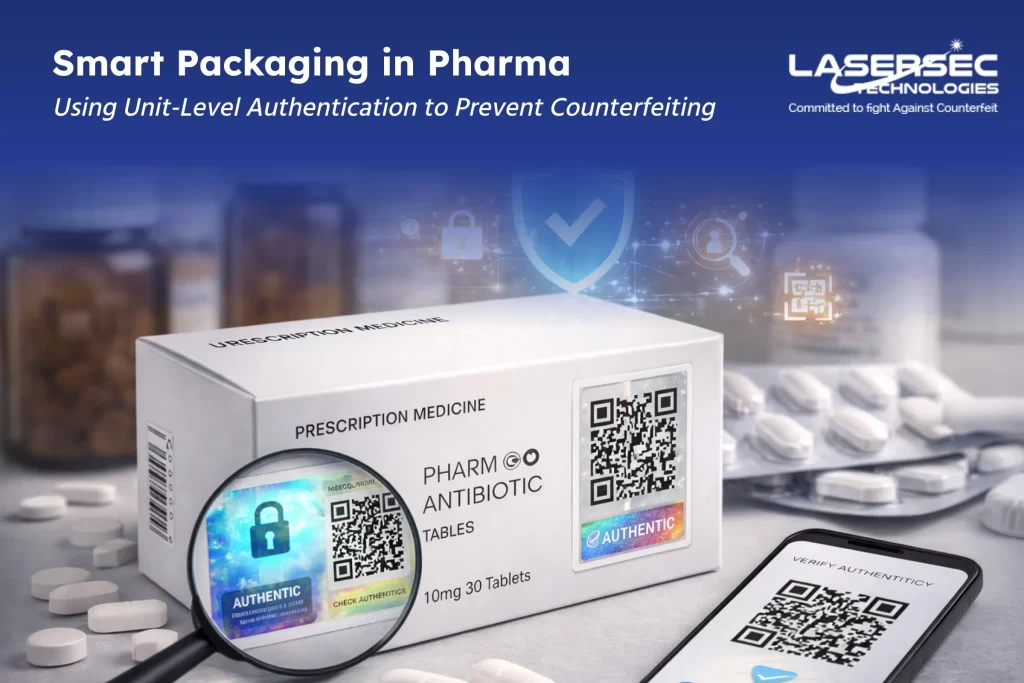
Interactive packaging blends physical labels with digital intelligence. It enables a smartphone scan—via QR code, NFC chip, dynamic watermark, or serialized code—to unlock detailed product data, authentication, and personalized content.

It offers visibility beyond the box.

Through secure and unique digital triggers (often integrated with traceability platforms), brands can:

  • Verify authenticity instantly
  • Show manufacturing details, batch numbers, expiry dates, and certifications
  • Share dosage guides, patient education, and usage instructions
  • Deliver loyalty programs or pharmacist rewards
  • Start direct engagement with patients or healthcare providers
Unlike generic codes, modern systems use dynamic serialization or cloud-linked markers that are nearly impossible to duplicate—raising the bar for counterfeiters and aligning with regulations like DSCSA, EU FMD, and TGA guidelines.

Why More Brands Are Making the Switch

The shift to interactive packaging isn’t just a technology upgrade—it’s a strategic response to life-critical risks, regulatory demands, and patient safety.

  • Authentication:
    Allows pharmacists and patients to verify medicines instantly.
  • Recall readiness:
    Offers real-time traceability and rapid product recalls if needed.
  • Transparency:
    Provides batch-level tracking and supply chain visibility.
  • Engagement:
    Enables direct patient education, feedback, and loyalty programs.
It transforms packaging from a passive layer into a smart, compliant, and protective communication tool.

The Trend Backed by Numbers

According to Research and Markets, the global smart packaging market is expected to reach USD 43.6 billion by 2030, driven by the need for secure product authentication and patient trust.

A recent study shows that 81% of consumers are more likely to trust brands that offer transparency through scannable packaging.

In the pharmaceutical industry, this trust isn’t just a competitive advantage—it’s a regulatory and ethical responsibility.

From Confusion to Confidence

A leading pharmaceutical company faced a surge in counterfeit antibiotics in regional markets. Patients and pharmacists began raising safety concerns, and regulatory bodies flagged potential supply chain gaps.

The solution?

The company implemented secure, serialized QR codes on every blister pack and bottle. Each scan by a pharmacist or consumer provided instant product verification, manufacturing details, and patient instructions.

The impact:

  • Sharp decline in counterfeit complaints
  • Increased confidence among distributors and pharmacies
  • Stronger regulatory compliance and brand trust

Thinking About the Shift?

You don’t need to overhaul your entire product portfolio at once. Begin small, scale smart.

  • Choose a product line – Start with high-risk or export-oriented SKUs.
  • Define your purpose – Focus on authentication, traceability, or patient engagement.
  • Select the right technology – Use encrypted, copy-proof serialization.
  • Design it well – Make it seamless within your existing packaging.
  • Track engagement – Monitor scans, locations, and recall readiness.
Interactive packaging platforms can integrate with your ERP, WMS, and pharma track & trace systems to provide unit-level traceability—from production to the patient’s hand.

The Label Is No Longer Just a Label

In the pharmaceutical industry, packaging isn’t just protection—it’s proof.

Interactive packaging helps pharma brands move from saying “Trust us” to confidently showing why they’re trustworthy—meeting regulatory demands, protecting patients, and building real-world credibility.

Every scan is more than just a check—it’s a chance to:

  • Win patient trust
  • Engage directly with consumers and healthcare providers
  • Protect your products and comply with regulations

When trust, safety, and compliance are at stake, make your packaging your strongest proof point. At Lasersec Technologies, we help pharmaceutical companies bridge this gap—from static to smart, from uncertain to verified.

We design secure, compliant packaging solutions that protect your medicines, engage your supply chain, and elevate your brand.