





Lasersec Technologies

Why Egypt’s Pharma Industry Needs Next-Gen Anti-Counterfeiting Solutions

Counterfeit medicines remain one of the biggest threats to Egypt’s healthcare system. Patients depend on genuine drugs not only for recovery but often for survival — yet fake medicines continue to circulate, undermining both trust and safety.

According to the Egyptian Drug Authority (EDA), counterfeit medicines make up nearly 10% of the local market in some therapeutic categories.  

These fakes are often disguised with packaging that looks identical to genuine products, making detection extremely difficult for pharmacists and patients.

The consequences are severe:

  • Reduced treatment effectiveness
  • Dangerous health risks
  • Erosion of public trust in brands and the healthcare system
For Egypt’s rapidly expanding pharmaceutical industry — one of the largest in MENA — counterfeiting is no longer a small-scale issue. It’s a national challenge that demands stronger, smarter solutions.

Why Old Defenses Fail

Traditional methods like basic holograms or packaging updates are no longer enough. Counterfeiters are adapting quickly, often staying just one step behind. Pharma companies in Egypt need solutions that go beyond packaging — ensuring authenticity is protected across the entire supply chain.

Next-Gen Anti-Counterfeiting Solutions for Pharma in Egypt

At Lasersec Technologies, we’ve developed advanced anti-counterfeiting solutions designed to tackle the exact challenges Egypt’s pharma sector faces today:

1. Secure QR Codes for Instant Verification :

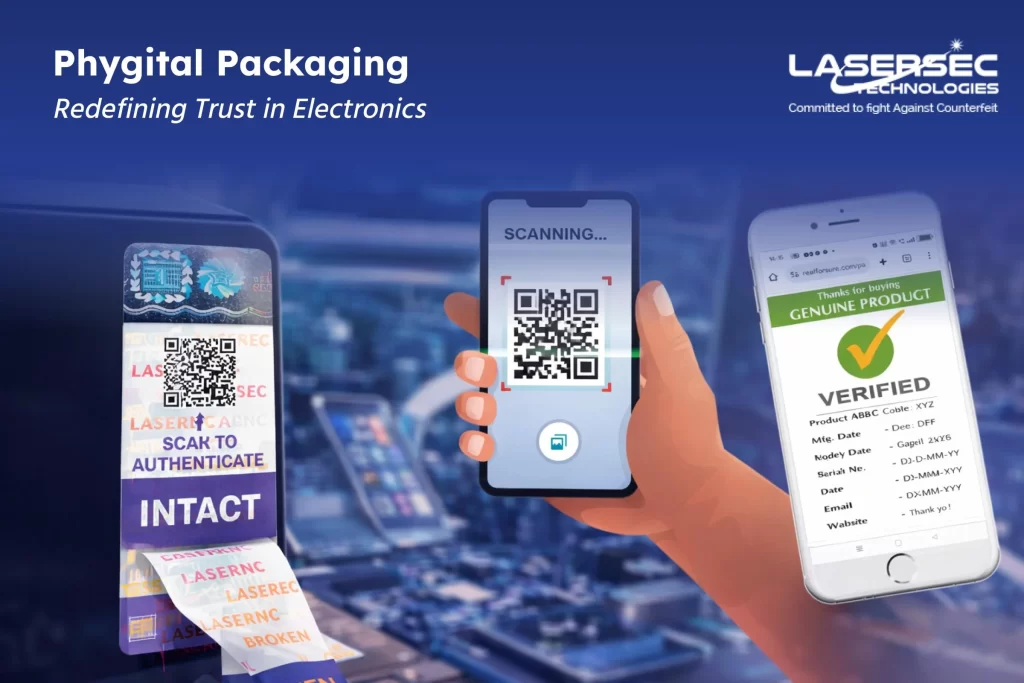
Give patients and pharmacists the power to instantly verify authenticity with a smartphone scan. This creates transparency and trust at the point of purchase.

2. Serialization & Track-and-Trace (GS1 Standards):

Ensure every pack carries a unique code, providing unit-level visibility from manufacturer to pharmacy. This strengthens regulatory compliance and blocks counterfeit infiltration.

3. Phygital Security Features for Tamper-Proof Packaging:

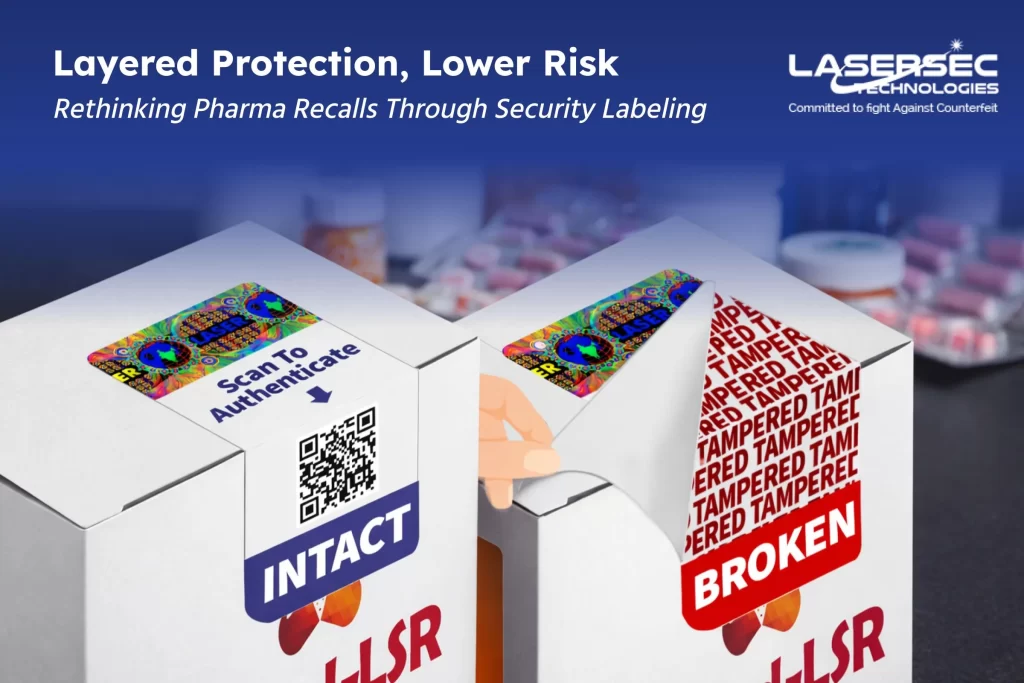
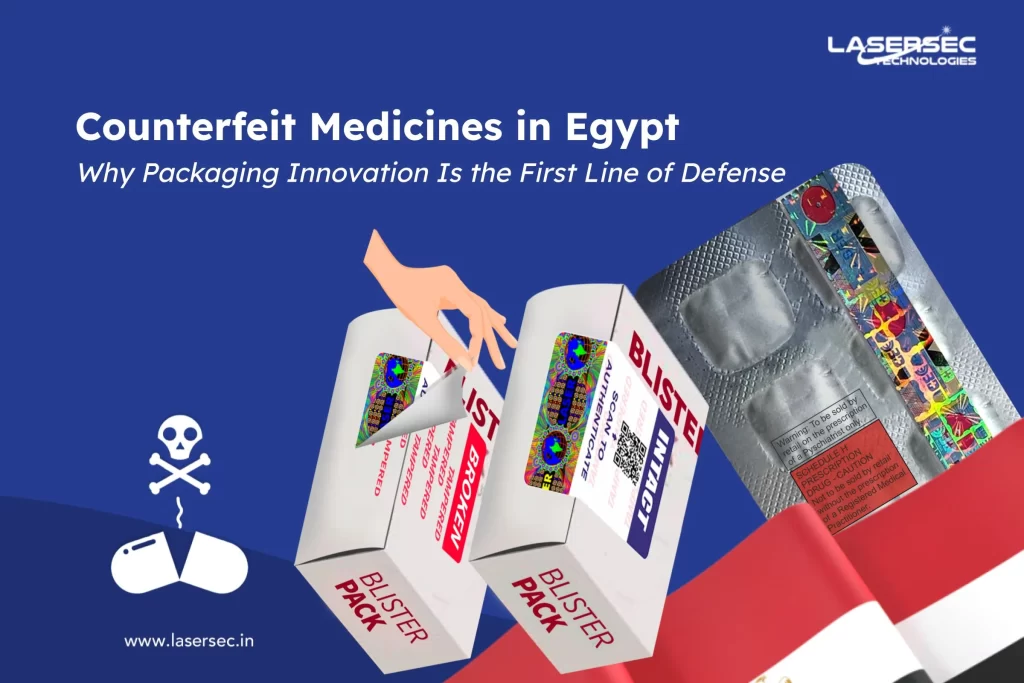
A powerful combination of physical security elements (holograms, special inks, tamper-evident labels) with digital verification ensures packaging is nearly impossible to replicate.

Together, these solutions protect patients, brands, and supply chains — ensuring only genuine medicines reach the hands of consumers.

Why Egypt Needs to Act Now

With exports on the rise, Egyptian pharmaceutical companies must meet international compliance norms to compete globally. Beyond regulations, the real need is trust — both at home and abroad.

Companies that adopt next-gen anti-counterfeiting today will:

  • Become pioneers of safety and reliability in Egypt’s pharma market.
  • Win stronger patient loyalty through visible safety measures.
  • Improve global competitiveness by aligning with international standards.

Showcasing Next-Gen Anti-Counterfeiting at Egypt’s Pharma Exhibition

At the recent exhibition in Cairo, Lasersec Technologies had the opportunity to showcase our next-gen anti-counterfeiting solutions to Egypt’s pharma leaders. Through live demonstrations of secure QR codes, serialization, and phygital features, we highlighted how brands can strengthen patient trust and safeguard supply chains.

The response reinforced one thing clearly: Egypt’s pharma industry is ready to embrace advanced solutions to fight counterfeiting and lead with confidence in both local and global markets.

Moving Forward: Partnering with Egypt’s Pharma Industry

For those who couldn’t attend or want to continue the discussion, our team is here to help. Whether you need a detailed consultation, solution roadmap, or samples tailored to your products, we’re ready to support you.

Because protecting patients — and protecting your brand — is not just a one-time exhibition showcase, it’s a long-term partnership.
Share :

Frequently Asked Questions

Related Blogs

Tamper-evident packaging and secure seals protecting pharmaceutical and consumer products for brand protection

Across many industries today, product safety and authenticity have become critical priorities for regulators, manufacturers, and consumers.

From pharmaceuticals and food products to cosmetics and electronics, companies are expected to ensure that their products reach customers without interference or tampering. However, global supply chains often involve multiple distributors, logistics providers, and retailers before a product reaches the end user.

This complexity creates opportunities for product tampering, repackaging, and counterfeit substitution.

To address these risks, regulators around the world increasingly require tamper-evident or tamper-proof packaging systems that clearly indicate whether a product has been opened or altered.

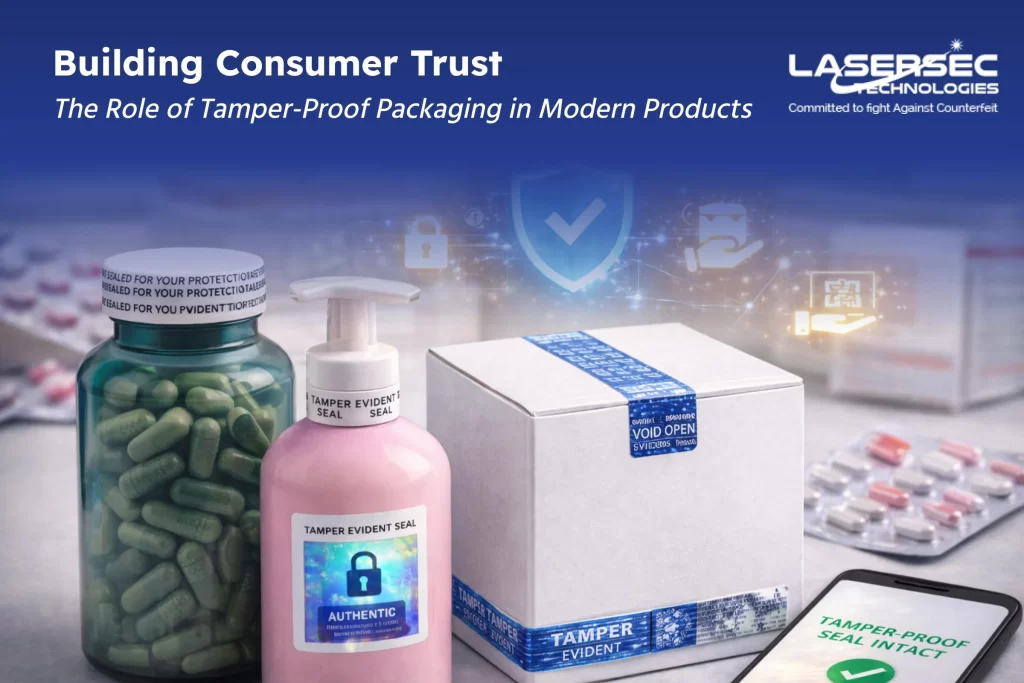
Tamper-proof packaging has therefore evolved from being a packaging enhancement to becoming a global compliance standard for product safety and brand protection using solutions like tamper proof hologram stickers and tamper-evident labels.

The Growing Importance of Tamper-Evident Packaging

Consumers today expect transparency and safety when purchasing products, especially those that affect health or personal use.

If packaging shows signs of tampering, customers immediately question the product’s safety and authenticity.

Because of this, tamper-evident packaging has become a critical requirement across many sectors.

Tamper-evident packaging solutions help ensure that:

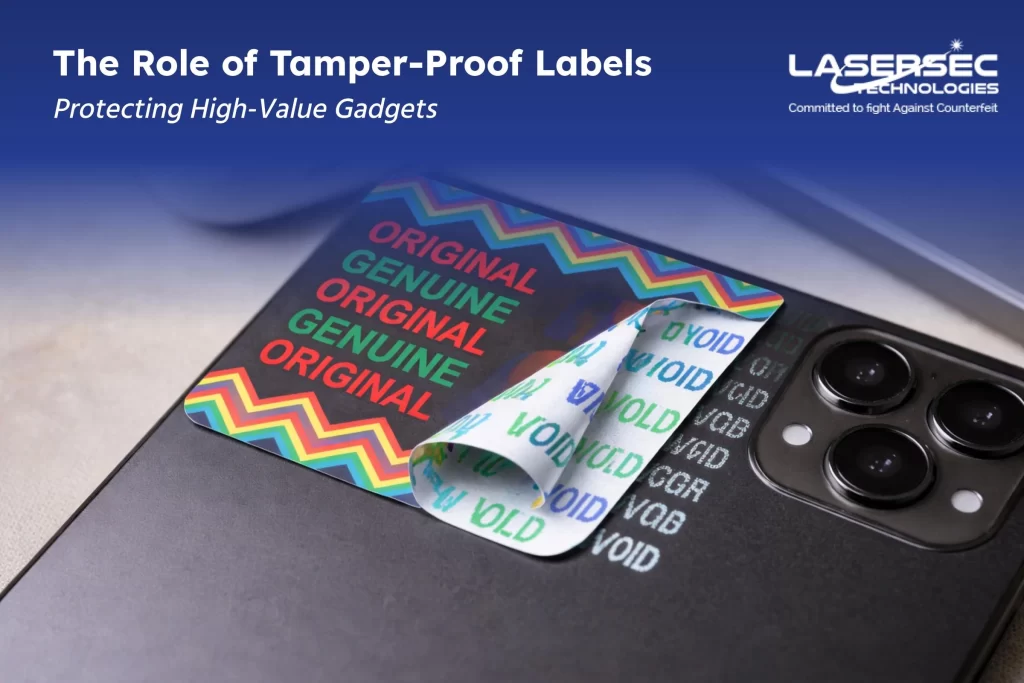
  • Products cannot be opened without visible damage
  • Unauthorized repackaging becomes difficult
  • Counterfeiters cannot easily reuse genuine packaging
  • Consumers can identify potential tampering quickly

These protections provide an important safety layer for both manufacturers and consumers.

When tampering can be easily detected, the risk of unsafe or counterfeit products reaching the market is significantly reduced.

Industries Where Tamper-Proof Packaging Is Becoming Mandatory

Regulatory authorities and industry standards organizations are increasingly encouraging or mandating tamper-evident packaging in several sectors.

Some of the most prominent industries include:

1. Pharmaceuticals

Pharmaceutical regulators worldwide require packaging systems that protect medicines from tampering and counterfeit substitution.

Tamper-evident seals, serialized packaging, and authentication labels such as pharma holographic labels help ensure that medicines reaching patients remain safe and genuine.

2. Food and Beverage

Food safety regulations often require packaging that clearly shows whether a product has been opened before purchase.

Tamper-evident caps, seals, and labels help prevent contamination and protect consumer health. Explore more in our FMCG anti-counterfeit solutions.

3. Cosmetics and Personal Care

Cosmetic brands increasingly use tamper-evident packaging to assure consumers that products have not been opened or altered before purchase.

This helps maintain product safety and brand credibility.

4. Electronics and Consumer Goods

High-value electronics and accessories are frequently targeted by counterfeiters or repackagers.

Tamper-evident labels help ensure products remain sealed and authentic throughout distribution. Learn more in our Electronics industry solutions.

How Tamper-Proof Packaging Prevents Counterfeiting and Repackaging

Tamper-proof packaging introduces visible or structural indicators that show whether a product has been opened or altered.

Unlike traditional packaging seals, tamper-evident security features cannot be removed or reapplied without leaving clear signs of interference.

Common tamper-evident packaging technologies include:

These features make it extremely difficult for counterfeiters to open packages, replace the contents, and reseal them without detection.

As a result, tamper-proof packaging acts as a first line of defense against product tampering and counterfeit substitution.

Supporting Regulatory Compliance Through Secure Packaging

Governments and regulatory bodies are increasingly strengthening packaging requirements to improve product safety and traceability.

Many regulatory frameworks now emphasize:

  • Tamper-evident packaging requirements
  • Product authentication mechanisms
  • Supply chain transparency
  • Protection against counterfeit products

Tamper-proof packaging supports these requirements by providing a clear visual indication if a product has been interfered with.

This allows regulators, distributors, and retailers to quickly identify suspicious products during inspections.

For manufacturers exporting products across international markets, implementing tamper-evident packaging also helps demonstrate proactive compliance with global safety standards.

Strengthening Consumer Trust Through Tamper-Evident Protection

Consumer trust plays a critical role in purchasing decisions.

If customers suspect that a product has been opened, altered, or replaced, they are unlikely to use it and may avoid the brand entirely.

Tamper-evident packaging provides a simple but powerful reassurance mechanism.

When consumers see intact security seals or holographic labels such as hologram stickers, they gain confidence that the product has not been compromised.

This helps manufacturers:

  • Strengthen customer confidence in product safety
  • Reduce complaints related to product tampering
  • Protect brand credibility in competitive markets
  • Improve customer loyalty over time

Visible packaging security features also signal that the brand takes product protection seriously.

Combining Tamper-Proof Packaging with Authentication Technologies

While tamper-evident packaging prevents unauthorized opening, combining it with digital authentication technologies further strengthens product security.

For example, tamper-evident labels can be integrated with:

This combination enables both physical protection and digital verification.

Even if a product is tampered with or copied, authentication systems can help detect suspicious activity and identify counterfeit products quickly.

Together, these layers provide stronger protection across the entire product lifecycle.

How We Support Tamper-Proof Packaging and Brand Protection

At Lasersec Technologies, we provide advanced anti-counterfeit packaging solutions designed to help manufacturers implement reliable tamper-proof protection.

Our solutions integrate secure packaging features directly into product labels and packaging materials.

These include:

By combining physical tamper-evident features with authentication technologies, we help manufacturers strengthen product security across global supply chains.

To explore more solutions, visit our Product Gallery.

Why Tamper-Proof Packaging Is Essential in Modern Global Supply Chains

As global supply chains continue to expand, the risks associated with product tampering and counterfeiting are also increasing.

Tamper-proof packaging has become a critical component of modern packaging strategies because it ensures that products reach consumers in their original, uncompromised condition.

By implementing tamper-evident security features, manufacturers can strengthen compliance with global safety standards while protecting both consumers and brand reputation.

In today’s market environment, tamper-proof packaging is no longer optional. It is an essential foundation for product safety, regulatory compliance, and long-term brand protection.

Pharmaceutical packaging security has become a critical concern for drug manufacturers worldwide. Unit-level authentication is now the smartest way to protect every package across the supply chain.

At each stage, verifying the authenticity of the medicine becomes essential.

In many markets, counterfeit drugs and unauthorized repackaging continue to challenge pharmaceutical supply chains. Packaging may appear genuine, yet without reliable authentication systems, it can be difficult to confirm whether the medicine is authentic.

This is why pharmaceutical companies are increasingly implementing unit-level authentication systems.

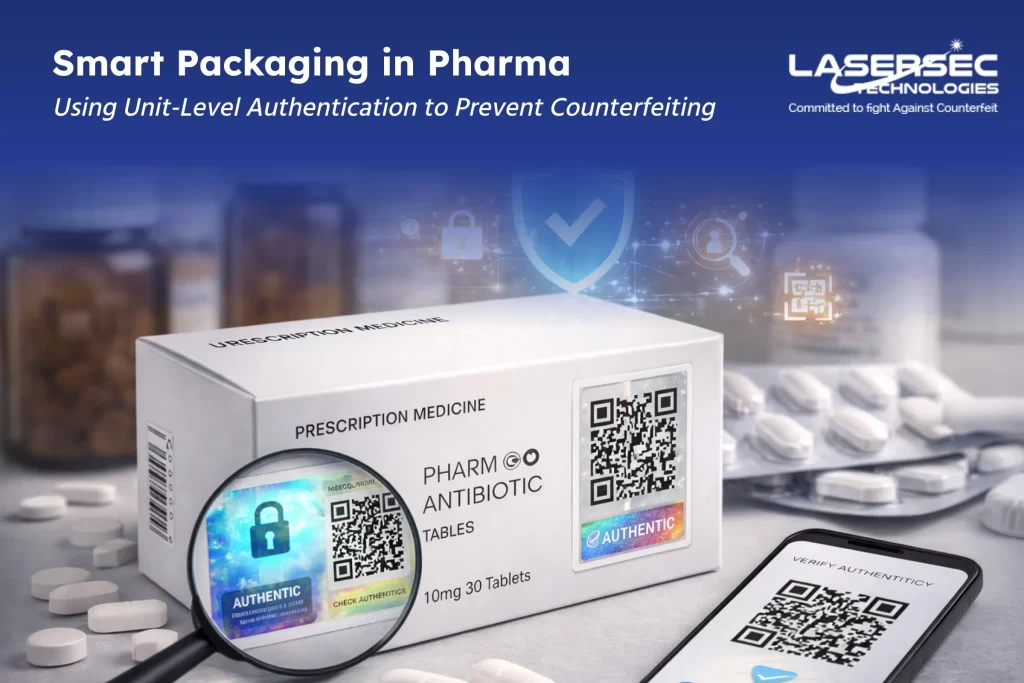
Unit-level authentication assigns a unique identity to every individual product unit, allowing manufacturers, regulators, and pharmacies to verify authenticity instantly through secure authentication technologies such as QR code authentication and Track & Trace systems.

By enabling verification at the smallest packaging level, pharmaceutical companies can significantly reduce the risk of counterfeit medicines entering the market.

The Growing Risks of Counterfeit and Repacked Medicines

Pharmaceutical products move through complex supply chains before reaching patients. These supply chains often involve multiple intermediaries such as distributors, wholesalers, and retailers.

This complexity creates opportunities for unauthorized activities, including counterfeit drug circulation and repackaging of genuine medicines.

Some common risks include:

  • Counterfeit medicines replicating genuine packaging using security hologram stickers
  • Unauthorized repackaging of original medicines
  • Reuse of genuine packaging for fake products
  • Diversion of products into unintended markets
  • Difficulty verifying authenticity at pharmacy level

These activities not only affect pharmaceutical companies but also create serious risks for patient safety.

Consequences can include:

  • Reduced trust in pharmaceutical brands
  • Regulatory compliance issues
  • Distribution channel conflicts
  • Potential health risks for patients

Without reliable authentication systems, detecting these issues early becomes extremely difficult.

What Is Unit-Level Authentication in Pharmaceutical Packaging

Unit-level authentication means assigning a unique, traceable identity to every individual medicine package.

Instead of identifying products only by batch numbers or carton-level codes, each unit receives its own authentication marker.

This is typically implemented using technologies such as:

Each identifier is connected to secure manufacturing and distribution data.

When the code is scanned, the system can instantly verify:

  • Whether the product is genuine
  • The manufacturing origin
  • Batch and production information
  • Whether the code has been duplicated

This enables reliable product verification throughout the supply chain.

How Unit-Level Authentication Prevents Fake Repackaging

One of the most common challenges in pharmaceutical markets is fake repackaging.

In this scenario, counterfeiters reuse genuine packaging materials or create look-alike packaging to insert counterfeit medicines.

Without authentication, these fake products may appear legitimate.

Unit-level authentication prevents this by ensuring that each product unit has a unique identity supported by technologies like QR code holograms.

If a counterfeiter attempts to copy or reuse a code, the authentication system can detect:

  • Duplicate code scans
  • Invalid product records
  • Suspicious verification locations

This allows manufacturers and regulators to quickly identify counterfeit activity and take corrective action. By making every package individually verifiable, unit-level authentication significantly reduces the risk of fake repackaging.

Preventing Product Diversion with Unit-Level Verification

Product diversion occurs when genuine medicines are redirected from their intended distribution markets into unauthorized regions.

This can disrupt pricing structures, violate distribution agreements, and create regulatory complications.

Unit-level authentication helps detect diversion by linking each product unit to specific manufacturing and distribution data through systems like Track & Trace technology.

When the product is scanned, the system can verify:

  • The intended market for the product
  • Whether it appears in an unexpected location
  • Whether the product has already been verified elsewhere

If the product is detected outside its authorized distribution channel, the system can immediately flag the activity. This visibility allows pharmaceutical companies to investigate unauthorized distribution and maintain better control over global supply chains.

Strengthening Pharmaceutical Compliance and Traceability

Many regulatory frameworks now require pharmaceutical manufacturers to implement serialization and traceability systems. Authorities expect companies to demonstrate the ability to verify product authenticity and track medicines across the supply chain.

Unit-level authentication supports these regulatory goals by enabling:

  • Individual product serialization
  • End-to-end supply chain traceability
  • Authentication verification at distribution points
  • Faster investigation of suspicious products

These capabilities help regulators confirm product legitimacy during inspections and market surveillance.For pharmaceutical companies operating in global markets, unit-level authentication also strengthens compliance with evolving regulatory standards using solutions such as Track & Trace systems.

Improving Patient Trust Through Product Verification

Patients rely on medicines to protect their health, which makes trust essential in the pharmaceutical industry. However, patients often cannot visually distinguish between genuine and counterfeit medicines if packaging looks similar.

Unit-level authentication enables pharmacies and even patients to verify medicines quickly using smartphone-based authentication tools. By scanning a secure QR code or authentication marker such as QR code authentication labels, users can confirm whether the product is genuine.

This level of transparency helps:

  • Improve patient confidence in medicines
  • Reduce circulation of counterfeit drugs
  • Strengthen trust in pharmaceutical brands
  • Support safer healthcare outcomes

How We Support Unit-Level Authentication in Pharmaceutical Packaging

At Lasersec Technologies, we provide advanced anti-counterfeit packaging solutions designed to help pharmaceutical manufacturers implement reliable unit-level authentication systems.

Our solutions integrate secure packaging technologies with digital authentication platforms using:

By embedding these technologies directly into pharmaceutical packaging, we help manufacturers create secure authentication systems that protect medicines across the entire supply chain. To explore more, visit our Pharma Solutions.

Why Unit-Level Authentication Is Essential for Modern Pharmaceutical Packaging

Pharmaceutical supply chains are becoming increasingly complex, and the risks associated with counterfeit medicines continue to grow. Unit-level authentication provides a powerful solution by enabling every medicine package to be individually verified.

This approach helps pharmaceutical companies detect counterfeit activity, prevent product diversion, and maintain greater visibility across their supply chains. Most importantly, it helps ensure that genuine medicines reach pharmacies and patients safely. In today’s pharmaceutical industry, unit-level authentication is no longer optional.  It is a critical foundation for protecting product integrity, regulatory compliance, and patient trust.