





Lasersec Technologies

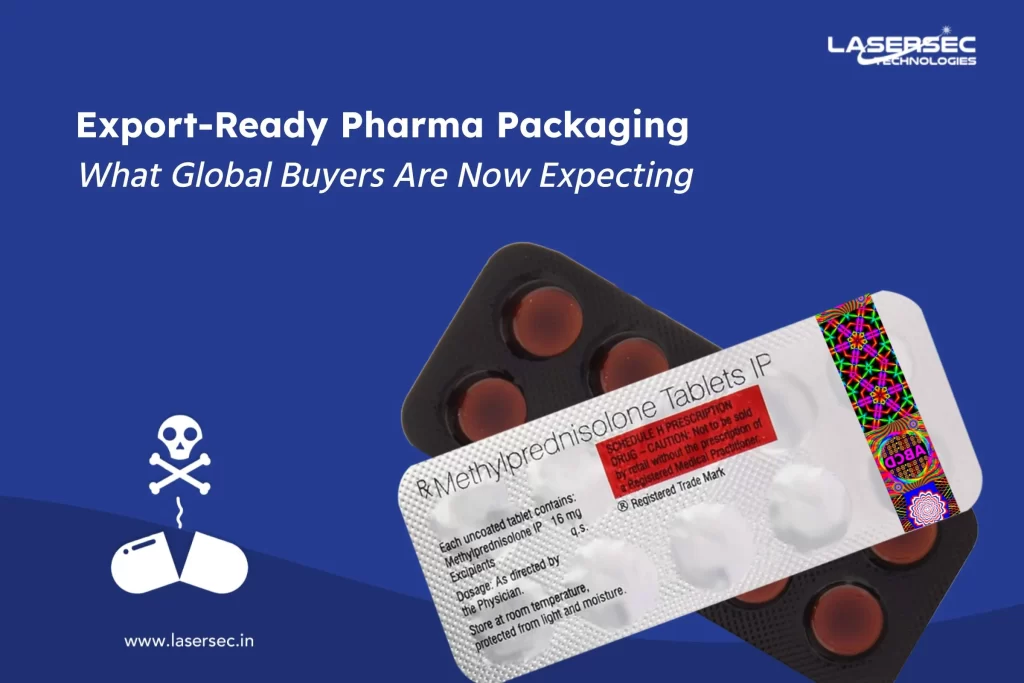
Export-Ready Pharma Packaging- What Global Buyers Are Now Expecting

You’ve secured the order, production is complete, and your shipment is ready to move. But then, just before dispatch, your buyer asks:

“Does your packaging meet serialization and scan-based proof requirements?”

Imagine losing a million-dollar contract — not because of your medicine, but because your packaging failed to inspire trust. This is the reality many exporters face today. For global buyers, packaging has become the deciding factor between smooth delivery and a deal falling apart.

Why Packaging Standards Are Now Non-Negotiable

Global buyers are under pressure from regulators, distributors, and patients. They must ensure every product they source is traceable, authentic, and tamper-proof. That means export-ready packaging is no longer optional — it’s the foundation of international trade.

Key compliance must-haves include:

  • Track & Trace Systems – complete product visibility across the supply chain
  • Serialization – unique identifiers that meet global compliance norms
  • Tamper-Evident Features – seals or packaging that immediately reveal interference
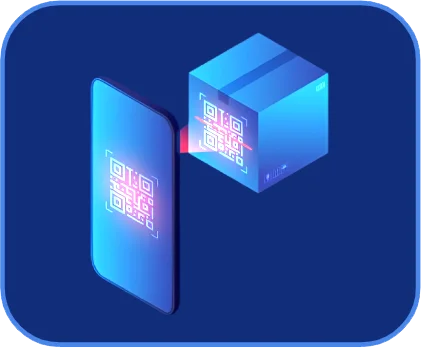
  • Scan-Based Proof – QR codes or secure markings enabling instant authentication

Without these, buyers see risk — and in today’s market, risk means rejection. It’s not just about checking compliance boxes. Buyers want reassurance that:

  • Their shipments won’t face customs delays due to packaging gaps
  • They won’t be caught in regulatory disputes in importing countries
  • They can confidently show stakeholders a secure supply chain
For exporters, this transforms packaging into a proof of credibility. It’s no longer just a container — it’s part of your business reputation.

Regional Buyer Expectations: One Size Doesn’t Fit All

Every region enforces its own regulations. Understanding them isn’t just smart — it’s survival.

RegionKey Packaging ExpectationsWhat It Means for Exporters
European Union (EU)Strict serialization under the FMD (Falsified Medicines Directive) with database-driven verification.Packs must be registered and verifiable via EU hub. Non-compliant shipments are rejected at borders.
United StatesDSCSA (Drug Supply Chain Security Act) requires interoperability and traceability beyond serialization.Exporters must ensure their systems “talk” with US buyers’ systems for seamless data exchange.
Middle East & AfricaHigh counterfeit risks demand visible tamper-evidence + secure scan codes.Buyers expect seals and markings they can verify instantly at distributor level.

According to the WHO, 1 in 10 medical products in low- and middle-income countries is substandard or falsified — highlighting why MEA and APAC buyers demand extra layers of security.

Before shipping, ask yourself:

  • Does every pack carry a unique, scannable serialization code?
  • Is there a tamper-evident seal that cannot be replaced unnoticed?
  • Can my systems generate and share serialization data with buyers?
  • Do I have scan-based proof of authenticity ready for customs or audits?

If the answer is “no” to any of these, your packaging isn’t truly export-ready.

Indian pharma is globally respected for high-quality medicines. But as regulations tighten, packaging standards are becoming the new benchmark for trust.

Those who adapt quickly — with serialization, secure QR codes, and tamper-evident solutions — will stand out as reliable partners. On the other hand, exporters who delay risk losing contracts, not because of product quality, but because their packaging didn’t pass the credibility test.

Global buyers are no longer asking if your packaging is compliant — they’re asking how quickly you can prove it.

Export-ready packaging is now a business advantage, not just a compliance step. For exporters preparing to expand globally, investing in the right packaging solutions is no longer optional.

Because in today’s market, packaging isn’t just protecting your product — it’s protecting your growth.

At Lasersec Technologies, we partner with pharma exporters to ensure their packaging meets global serialization, traceability, and anti-counterfeit standards — helping you ship with confidence and win global trust.
Share :

Related Blogs

Phygital authentication technology enhancing brand security

Spotting a fake is easy — until it’s your brand on the line.

In today’s fast-paced digital marketplace, counterfeiters are smarter, faster, and more organized than ever. They replicate packaging, clone QR codes, and even build fake websites that mirror authentic ones.

Relying on a single layer of protection is no longer enough. What brands need today is a smarter, connected, and traceable defense system.

That’s exactly where Phygital Authentication steps in — a seamless blend of physical security and digital verification that ensures every product remains genuine, trackable, and trusted.

What Is Phygital Authentication?

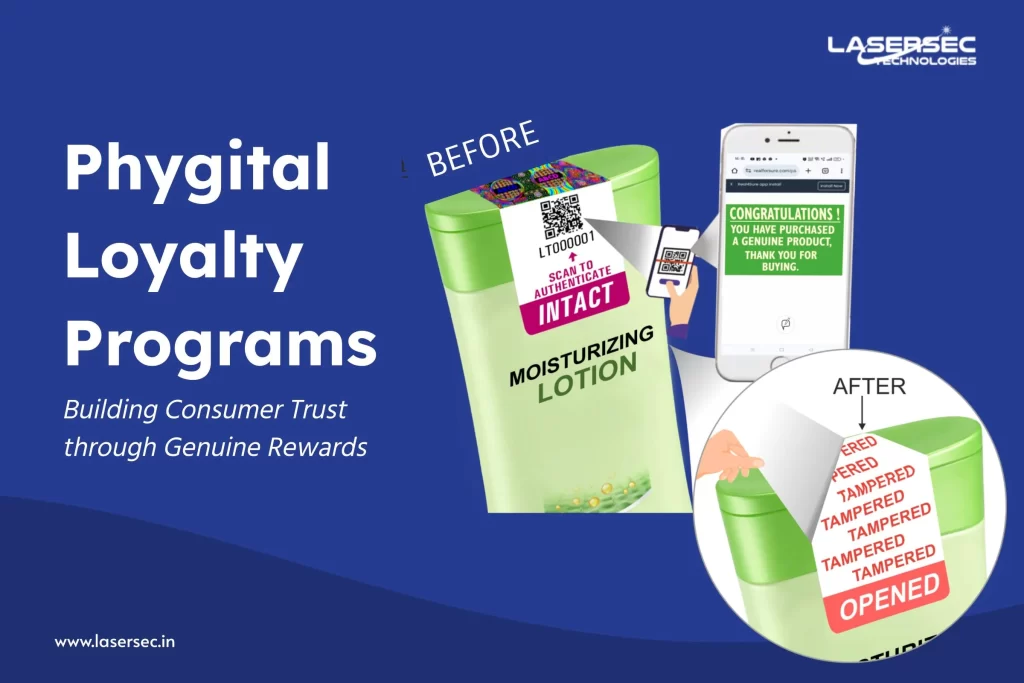
The word “Phygital” combines physical + digital.

It’s the next evolution in brand protection and anti-counterfeiting technology.

Imagine combining:

  • Physical features such as holograms, tamper-evident seals, or unique labels, with
  • Digital tools such as secure QR codes, NFC tags, or blockchain links.

Together, these create a two-factor authentication system for products:

  • Physical layer: Provides instant, visible proof of authenticity.
  • Digital layer: Enables real-time online verification, tracking, and analytics.
This powerful combination makes verification intuitive, transparent, and nearly impossible to replicate.

Why Every Industry Needs to Go Phygital

Counterfeiting is no longer limited to luxury or pharma — it’s now a multi-industry threat. From FMCG and automobile parts to electronics and apparel, fake products infiltrate every market, damaging brand reputation and consumer trust.

  • A consumer could unknowingly buy a fake skincare product that looks identical to the real one.
  • A patient could receive a counterfeit medicine, risking serious health consequences.
  • A dealer might end up stocking duplicate machine parts, affecting equipment performance.

Phygital Authentication helps track products from factory to shelf, offering end-to-end supply chain visibility. It empowers brands to identify, trace, and stop counterfeit products — before they reach consumers.

The Power of Combining Physical and Digital Security

Phygital Authentication strengthens brand protection through dual assurance:

  • Physical identifiers (holograms, foils, tamper seals) → provide instant visual confirmation.
  • Digital identifiers (unique QR codes, serialized data, blockchain records) → enable live product authentication and data analytics.

Result: A powerful, tamper-resistant system that ensures authenticity, traceability, and accountability across the entire product lifecycle.

Each scan tells a story — one of trust, transparency, and technology working hand-in-hand.

Beyond Counterfeit Protection — Building Consumer Trust

Phygital Authentication isn’t only about protecting brands; it’s about creating genuine connections.

When customers scan a product and instantly verify its authenticity — or receive personalized information, rewards, or thank-you notes — it turns a simple purchase into an emotional experience. This sense of assurance and appreciation builds lasting loyalty and brand trust.

In an era of endless choices, trust isn’t optional — it’s your strongest advantage.

Future-Proofing Brand Protection

Counterfeiters are evolving — but so is technology.

Phygital Authentication ensures brands stay one step ahead with scalable, intelligent, and data-driven protection.

By merging physical security features with digital intelligence, brands unlock:

  • Real-time product traceability
  • Anti-counterfeiting analytics
  • Consumer engagement opportunities
  • Regulatory compliance support

This makes it not just a security solution — but a strategic investment in long-term brand integrity.

The future of anti-counterfeiting isn’t about choosing between physical or digital — it’s about merging both.

Phygital Authentication represents the next leap in brand protection, enabling businesses to:

  • Secure every product
  • Strengthen customer confidence
  • Ensure full supply chain transparency

How Lasersec Technologies Powers Phygital Authentication

At Lasersec Technologies, we integrate cutting-edge physical and digital security to deliver true Phygital Authentication. Our portfolio includes holographic foils, tamper-evident seals, dynamic QR codes, and track-and-trace systems — all designed to create a connected, secure, and transparent product ecosystem. Each solution is customized to meet your industry’s compliance needs while strengthening brand integrity and consumer trust.

Partner with Us to Build a Phygital Future

Whether you’re in pharma, FMCG, apparel, electronics, or automotive, Lasersec Technologies helps your brand stay ahead of counterfeit threats. Connect with us for a consultation or demo to experience how our Phygital Authentication  solutions can transform your brand protection strategy.

Combating Counterfeit Antibiotics-Packaging Innovations That Work in Tier-2 and Rural Markets

Imagine a patient in a small town buying antibiotics with hope for recovery, only to later discover the medicine was fake. This isn’t just a business challenge; it’s a human crisis that threatens lives and erodes trust in healthcare.

According to the World Health Organization (WHO), about 1 in 10 medical products in low- and middle-income countries is substandard or falsified, with antibiotics among the most commonly counterfeited. In India, this issue is especially severe in tier-2 and rural markets, where patients depend heavily on affordable medicines but have fewer tools to verify authenticity.

For domestic pharma companies with mass-market distribution, protecting these communities goes beyond compliance — it’s about safeguarding public health and protecting brand trust in the very markets where demand is highest.

Why Rural and Tier-2 Markets Face Bigger Risks

Medicines in rural areas often pass through long, complex distribution chains before reaching patients. With fewer regulatory checks, limited pharmacist training, and high demand for low-cost antibiotics, counterfeiters exploit every gap.

Why antibiotics?

  • They are the most prescribed medicines in rural India.
  • Counterfeit versions are easy to circulate undetected.
  • Fake or substandard antibiotics fuel antimicrobial resistance (AMR), making genuine treatments less effective.
The result: 
patients don’t recover, resistance spreads, and pharma brands lose credibility.

Practical Packaging Solutions That Work on the Ground

Domestic pharma leaders don’t need futuristic tech — simple, field-proven solutions can protect both patients and business in high-risk markets:

1. QR Codes for Instant Verification

With smartphone use now above 50% in tier-2 and rural India, secure QR codes allow patients and chemists to scan and confirm authenticity in seconds.

2. Scratch-to-Reveal Codes

A cost-effective feature where patients scratch a panel to uncover a one-time code, then send it via SMS for instant confirmation. Perfect for regions with poor internet but reliable mobile coverage.

3. Toll-Free Number Verification

For areas where smartphones are less common, patients can call a toll-free number, enter the pack code, and receive immediate confirmation.

4. Serialization & Track-and-Trace

For companies looking at scale, serialization (unique pack codes) with Track-and-Trace systems enables full supply chain visibility. While CDSCO already mandates serialization for exports, extending it domestically creates a powerful barrier against counterfeits.

Even the best packaging features work only if people know how to use them. Pharma companies can build trust by:

  • Printing clear calls-to-action on packs like “Scan to Verify” or “Scratch and SMS to Confirm.”
  • Training distributors, chemists, and field staff to explain features.
  • Partnering with health workers and pharmacist associations to promote safe buying practices.

What Pharma Companies Can Do Today

  • Adopt at least one low-cost anti-counterfeit feature suited to your market.
  • Train distributors and field teams to guide chemists on how to use these features.
  • Print simple instructions on every pack to drive patient adoption.
  • Monitor ground feedback and refine your packaging strategy over time.

Beyond Packaging: Partnerships Multiply Impact

Technology works best when paired with collaboration.

Pharma companies can:

  • Partner with local health workers to raise awareness.
  • Work with pharmacist associations to block counterfeit circulation.
  • Align with regulators like CDSCO — and globally with bodies like TGA and USFDA — to meet compliance while building consumer confidence.

Why Acting Now Matters

Counterfeiting in non-urban supply chains is no longer just a rural problem — it’s a nationwide risk. Ignoring it can result in regulatory challenges, lost market share, and, most importantly, lives lost.

By contrast, acting now with practical anti-counterfeit packaging creates an opportunity to:

  • Protect patients where they are most vulnerable.
  • Safeguard your brand in India’s fastest-growing pharma markets.
  • Position your company as a trusted healthcare partner at home and globally.
Because at the end of the day, packaging isn’t just about protecting a product — it’s about protecting people.

Moving Forward with Safer Packaging

At Lasersec Technologies, we help pharma companies design practical anti-counterfeit packaging solutions — from scratch panels and QR codes to serialization and Track & Trace.

Backed by compliance expertise and real-world field success, our goal is simple: to help you protect patients, build trust, and stay ahead of counterfeiters in both rural India and global markets.