




Lasersec Technologies

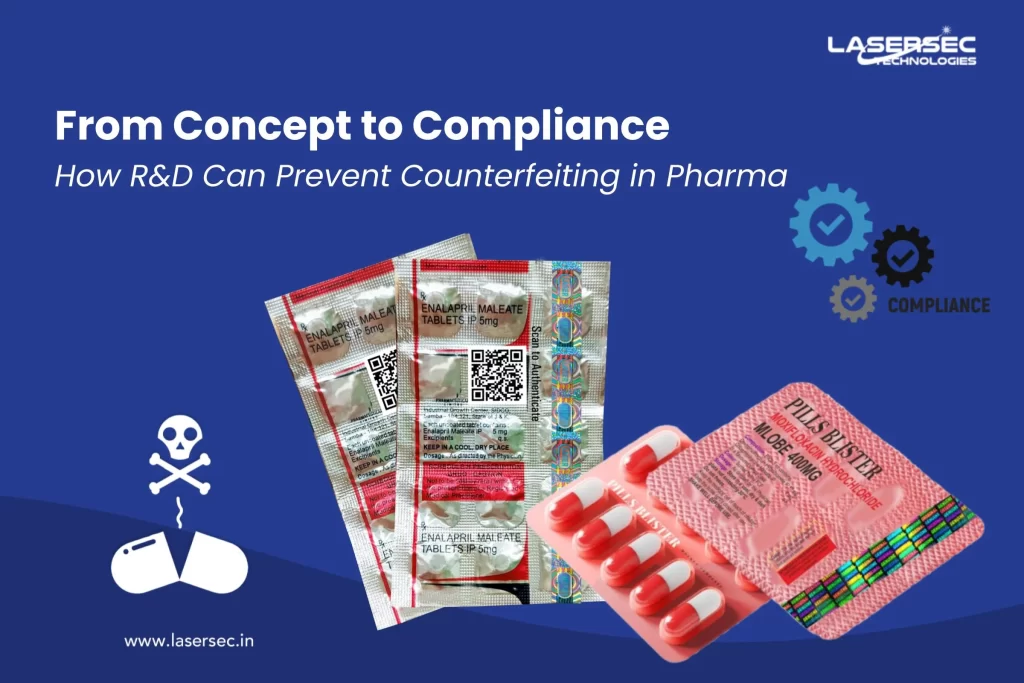
From Concept to Compliance: How R&D Can Prevent Counterfeiting in Pharma

In the world of healthcare, trust isn’t optional—it’s foundational. When a patient takes medicine, they aren’t just consuming a formulation—they’re placing their lives in the hands of pharmaceutical brands, regulators, and science.

But what happens when that trust is betrayed by counterfeit drugs?

Counterfeit medicines are more than a regulatory challenge; they’re a human crisis. From causing patient harm to disrupting supply chains and damaging brand credibility, the consequences are staggering. That’s why the fight against counterfeiting must begin far earlier than many companies realize—not in the warehouse or the pharmacy, but in the research lab.

Why R&D Is the First Line of Defense

For decades, anti-counterfeit strategies have been reactive—focused on packaging tweaks or post-launch investigations. But by that stage, the product is already in circulation, and risks have multiplied.

Integrating anti-counterfeiting measures at the R&D stage enables pharma companies to design products that are inherently secure. It’s about embedding protection within the DNA of the drug—from formulation to packaging. Early intervention ensures that a product isn’t just therapeutic, but tamper-proof, traceable, and trusted.

The Hidden Dangers of Delayed Protection

Delaying brand protection until after production or during distribution creates opportunities for counterfeiters. Once a fake medicine reaches a patient:

  • Regulatory penalties may follow.
  • Patient safety is compromised.
  • Brand trust takes a lasting hit.
Proactive protection, on the other hand, makes it far harder for bad actors to replicate or manipulate your products. It transforms the product into a self-verifying tool, not just a commodity.

Compliance Begins at the Research Table

With global regulatory frameworks tightening—like EU Falsified Medicines Directive (FMD), U.S. Drug Supply Chain Security Act (DSCSA), and TGA requirements in Australia—companies must demonstrate authenticity, traceability, and security from the outset.

Embedding regulatory compliance during R&D enables:

  • Easier serialization integration
  • Accurate data capture for global traceability
  • Faster approval and fewer redesign costs
When compliance is an afterthought, retrofitting solutions becomes expensive and error-prone. But when it’s embedded in development, it becomes a strength—not a stress.

Cost Today, Savings Tomorrow

Some stakeholders fear that early-stage protection adds unnecessary cost. In reality, the opposite is true.

Preventive measures are far more cost-effective than damage control:

  • A single counterfeit scandal can cost millions in recalls, legal fees, and brand damage.
  • Investing early reduces downstream risks, from litigation to loss of market share.
  • Robust products attract regulatory and consumer confidence—accelerating approvals and adoption.

Advanced anti-counterfeit technologies are now versatile, scalable, and R&D-friendly. By integrating these tools into the development phase, pharma companies create products that are resilient and verifiable:

1. Invisible Security Inks –

Embedded directly on blister packs or tablets for covert verification.

2. Tamper-Evident Packaging –

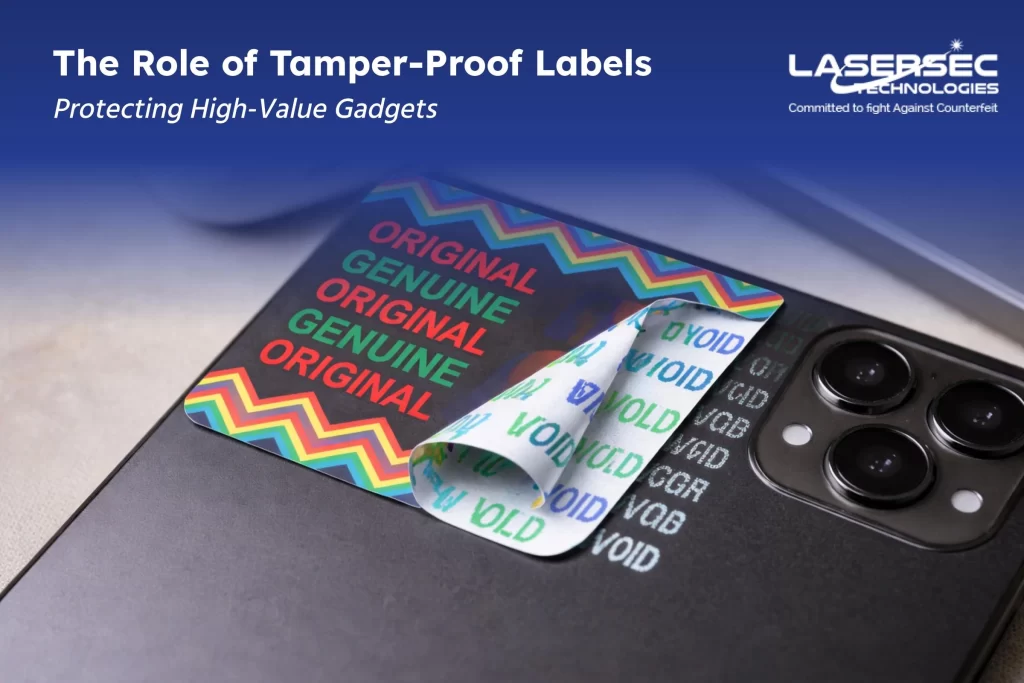
Custom seals that reveal breaches before reaching the end-user.

3. Blockchain & Track-and-Trace Systems –

Enabling immutable supply chain transparency.

4. Secure QR Codes & Digital Twins –

Real-time authentication via mobile scans.

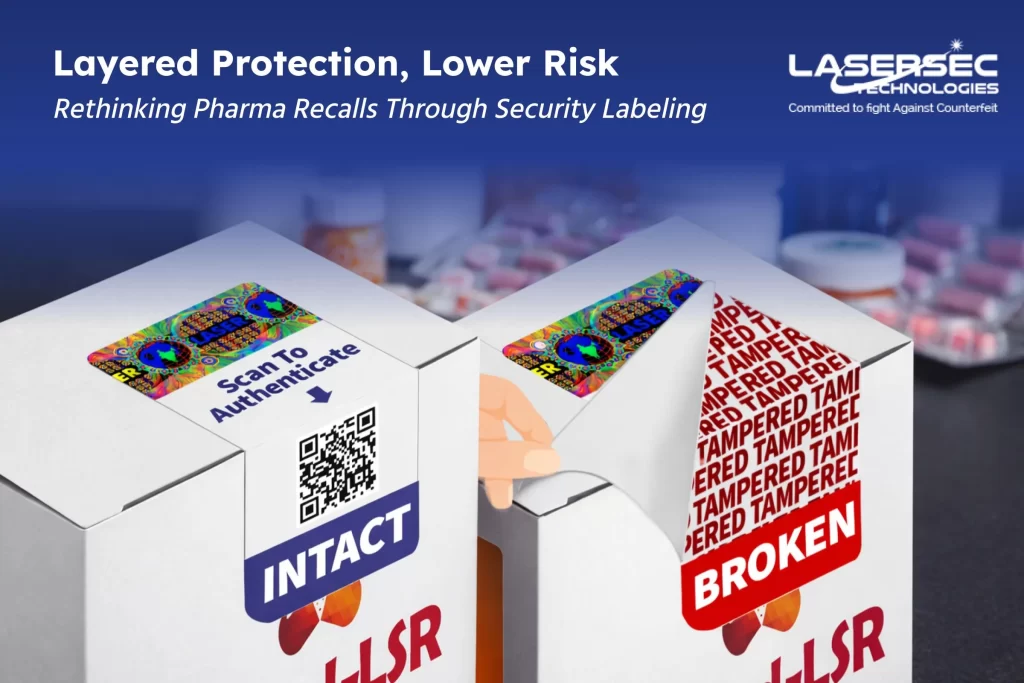
Lasersec Technologies offers R&D-compatible solutions that support pharma brands in building layered, invisible protection—right from Day One.

Anti-counterfeiting isn’t just a packaging or compliance task—it’s a cross-functional mission. When R&D, compliance, packaging, marketing, and logistics teams collaborate early, the outcomes are:

  • Integrated protection strategies
  • Stronger risk mitigation frameworks
  • Faster innovation cycles

This shared responsibility creates a culture of accountability across the entire product lifecycle.

Looking Ahead: Prevent Early, Not Late

Counterfeiters are using smarter methods—AI-generated packaging, high-res replication, and fake serialization. The pharmaceutical industry must be one step ahead.

Embedding anti-counterfeit strategy during R&D is a future-focused, patient-centric move. It empowers companies to:

  • Reduce regulatory risks
  • Enhance product integrity
  • Build long-term trust

R&D is not just about drug discovery—it’s the first frontier of product protection.

At Lasersec Technologies, we empower pharma brands to build security into science. From secure inks and serialization systems to phygital authentication tools, we help you embed trust into every dose—starting from the concept phase.

Let’s talk.
Reach us at mktg@lasersec.in or call +91-9810213127 to explore R&D-ready brand protection solutions.
Share :

Related Blogs

Phygital authentication technology enhancing brand security

Spotting a fake is easy — until it’s your brand on the line.

In today’s fast-paced digital marketplace, counterfeiters are smarter, faster, and more organized than ever. They replicate packaging, clone QR codes, and even build fake websites that mirror authentic ones.

Relying on a single layer of protection is no longer enough. What brands need today is a smarter, connected, and traceable defense system.

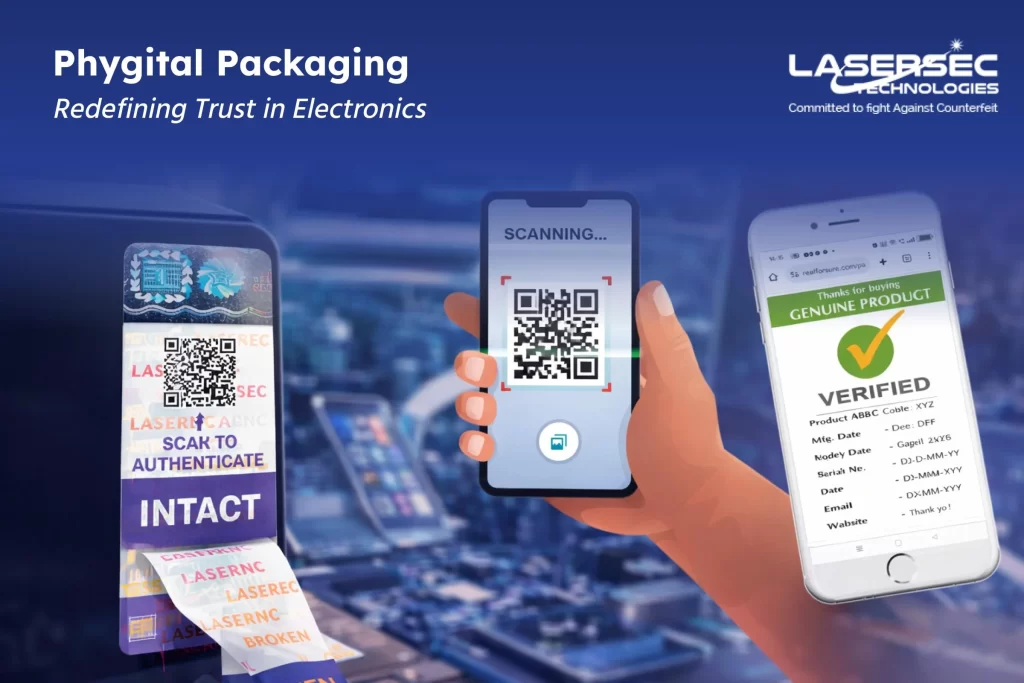
That’s exactly where Phygital Authentication steps in — a seamless blend of physical security and digital verification that ensures every product remains genuine, trackable, and trusted.

What Is Phygital Authentication?

The word “Phygital” combines physical + digital.

It’s the next evolution in brand protection and anti-counterfeiting technology.

Imagine combining:

  • Physical features such as holograms, tamper-evident seals, or unique labels, with
  • Digital tools such as secure QR codes, NFC tags, or blockchain links.

Together, these create a two-factor authentication system for products:

  • Physical layer: Provides instant, visible proof of authenticity.
  • Digital layer: Enables real-time online verification, tracking, and analytics.
This powerful combination makes verification intuitive, transparent, and nearly impossible to replicate.

Why Every Industry Needs to Go Phygital

Counterfeiting is no longer limited to luxury or pharma — it’s now a multi-industry threat. From FMCG and automobile parts to electronics and apparel, fake products infiltrate every market, damaging brand reputation and consumer trust.

  • A consumer could unknowingly buy a fake skincare product that looks identical to the real one.
  • A patient could receive a counterfeit medicine, risking serious health consequences.
  • A dealer might end up stocking duplicate machine parts, affecting equipment performance.

Phygital Authentication helps track products from factory to shelf, offering end-to-end supply chain visibility. It empowers brands to identify, trace, and stop counterfeit products — before they reach consumers.

The Power of Combining Physical and Digital Security

Phygital Authentication strengthens brand protection through dual assurance:

  • Physical identifiers (holograms, foils, tamper seals) → provide instant visual confirmation.
  • Digital identifiers (unique QR codes, serialized data, blockchain records) → enable live product authentication and data analytics.

Result: A powerful, tamper-resistant system that ensures authenticity, traceability, and accountability across the entire product lifecycle.

Each scan tells a story — one of trust, transparency, and technology working hand-in-hand.

Beyond Counterfeit Protection — Building Consumer Trust

Phygital Authentication isn’t only about protecting brands; it’s about creating genuine connections.

When customers scan a product and instantly verify its authenticity — or receive personalized information, rewards, or thank-you notes — it turns a simple purchase into an emotional experience. This sense of assurance and appreciation builds lasting loyalty and brand trust.

In an era of endless choices, trust isn’t optional — it’s your strongest advantage.

Future-Proofing Brand Protection

Counterfeiters are evolving — but so is technology.

Phygital Authentication ensures brands stay one step ahead with scalable, intelligent, and data-driven protection.

By merging physical security features with digital intelligence, brands unlock:

  • Real-time product traceability
  • Anti-counterfeiting analytics
  • Consumer engagement opportunities
  • Regulatory compliance support

This makes it not just a security solution — but a strategic investment in long-term brand integrity.

The future of anti-counterfeiting isn’t about choosing between physical or digital — it’s about merging both.

Phygital Authentication represents the next leap in brand protection, enabling businesses to:

  • Secure every product
  • Strengthen customer confidence
  • Ensure full supply chain transparency

How Lasersec Technologies Powers Phygital Authentication

At Lasersec Technologies, we integrate cutting-edge physical and digital security to deliver true Phygital Authentication. Our portfolio includes holographic foils, tamper-evident seals, dynamic QR codes, and track-and-trace systems — all designed to create a connected, secure, and transparent product ecosystem. Each solution is customized to meet your industry’s compliance needs while strengthening brand integrity and consumer trust.

Partner with Us to Build a Phygital Future

Whether you’re in pharma, FMCG, apparel, electronics, or automotive, Lasersec Technologies helps your brand stay ahead of counterfeit threats. Connect with us for a consultation or demo to experience how our Phygital Authentication  solutions can transform your brand protection strategy.

Combating Counterfeit Antibiotics-Packaging Innovations That Work in Tier-2 and Rural Markets

Imagine a patient in a small town buying antibiotics with hope for recovery, only to later discover the medicine was fake. This isn’t just a business challenge; it’s a human crisis that threatens lives and erodes trust in healthcare.

According to the World Health Organization (WHO), about 1 in 10 medical products in low- and middle-income countries is substandard or falsified, with antibiotics among the most commonly counterfeited. In India, this issue is especially severe in tier-2 and rural markets, where patients depend heavily on affordable medicines but have fewer tools to verify authenticity.

For domestic pharma companies with mass-market distribution, protecting these communities goes beyond compliance — it’s about safeguarding public health and protecting brand trust in the very markets where demand is highest.

Why Rural and Tier-2 Markets Face Bigger Risks

Medicines in rural areas often pass through long, complex distribution chains before reaching patients. With fewer regulatory checks, limited pharmacist training, and high demand for low-cost antibiotics, counterfeiters exploit every gap.

Why antibiotics?

  • They are the most prescribed medicines in rural India.
  • Counterfeit versions are easy to circulate undetected.
  • Fake or substandard antibiotics fuel antimicrobial resistance (AMR), making genuine treatments less effective.
The result: 
patients don’t recover, resistance spreads, and pharma brands lose credibility.

Practical Packaging Solutions That Work on the Ground

Domestic pharma leaders don’t need futuristic tech — simple, field-proven solutions can protect both patients and business in high-risk markets:

1. QR Codes for Instant Verification

With smartphone use now above 50% in tier-2 and rural India, secure QR codes allow patients and chemists to scan and confirm authenticity in seconds.

2. Scratch-to-Reveal Codes

A cost-effective feature where patients scratch a panel to uncover a one-time code, then send it via SMS for instant confirmation. Perfect for regions with poor internet but reliable mobile coverage.

3. Toll-Free Number Verification

For areas where smartphones are less common, patients can call a toll-free number, enter the pack code, and receive immediate confirmation.

4. Serialization & Track-and-Trace

For companies looking at scale, serialization (unique pack codes) with Track-and-Trace systems enables full supply chain visibility. While CDSCO already mandates serialization for exports, extending it domestically creates a powerful barrier against counterfeits.

Even the best packaging features work only if people know how to use them. Pharma companies can build trust by:

  • Printing clear calls-to-action on packs like “Scan to Verify” or “Scratch and SMS to Confirm.”
  • Training distributors, chemists, and field staff to explain features.
  • Partnering with health workers and pharmacist associations to promote safe buying practices.

What Pharma Companies Can Do Today

  • Adopt at least one low-cost anti-counterfeit feature suited to your market.
  • Train distributors and field teams to guide chemists on how to use these features.
  • Print simple instructions on every pack to drive patient adoption.
  • Monitor ground feedback and refine your packaging strategy over time.

Beyond Packaging: Partnerships Multiply Impact

Technology works best when paired with collaboration.

Pharma companies can:

  • Partner with local health workers to raise awareness.
  • Work with pharmacist associations to block counterfeit circulation.
  • Align with regulators like CDSCO — and globally with bodies like TGA and USFDA — to meet compliance while building consumer confidence.

Why Acting Now Matters

Counterfeiting in non-urban supply chains is no longer just a rural problem — it’s a nationwide risk. Ignoring it can result in regulatory challenges, lost market share, and, most importantly, lives lost.

By contrast, acting now with practical anti-counterfeit packaging creates an opportunity to:

  • Protect patients where they are most vulnerable.
  • Safeguard your brand in India’s fastest-growing pharma markets.
  • Position your company as a trusted healthcare partner at home and globally.
Because at the end of the day, packaging isn’t just about protecting a product — it’s about protecting people.

Moving Forward with Safer Packaging

At Lasersec Technologies, we help pharma companies design practical anti-counterfeit packaging solutions — from scratch panels and QR codes to serialization and Track & Trace.

Backed by compliance expertise and real-world field success, our goal is simple: to help you protect patients, build trust, and stay ahead of counterfeiters in both rural India and global markets.