





Lasersec Technologies

Understanding the Benefits of Void Tamper-Proof Labels in the Supply Chain for Pharma Products

In the pharmaceutical industry, the integrity of the supply chain is crucial for ensuring product safety and maintaining consumer trust. With the rise in counterfeit drugs and regulatory scrutiny, tamper-proof labels have emerged as a vital component in enhancing security throughout the supply chain. 

This blog explores the multifaceted benefits of tamper-proof labels and their significance for pharmaceutical companies.

1. Enhanced Product Security

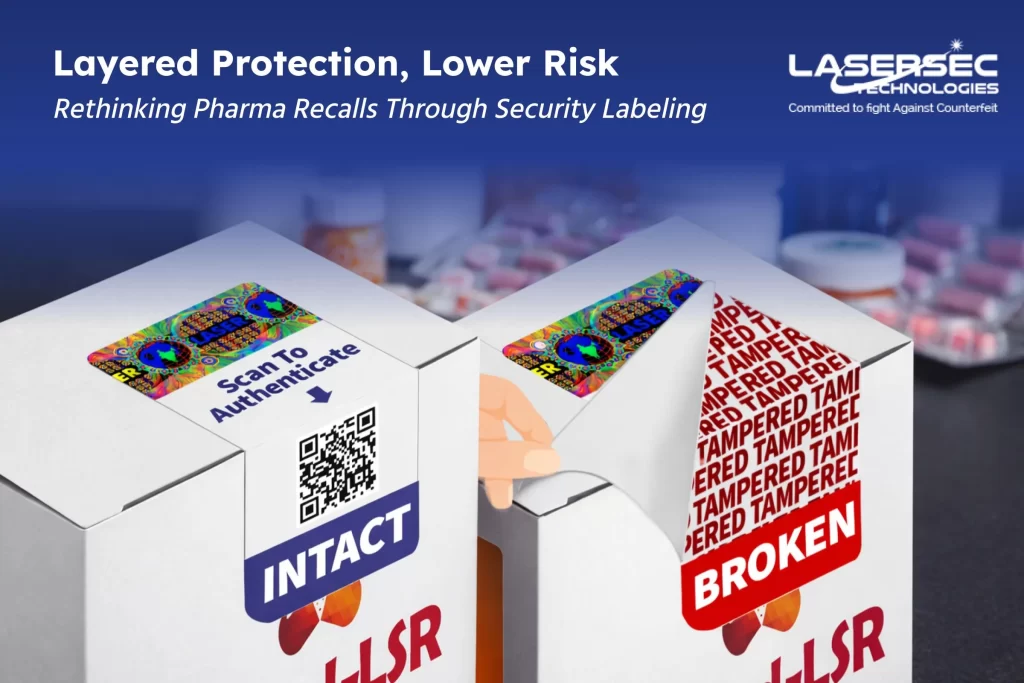
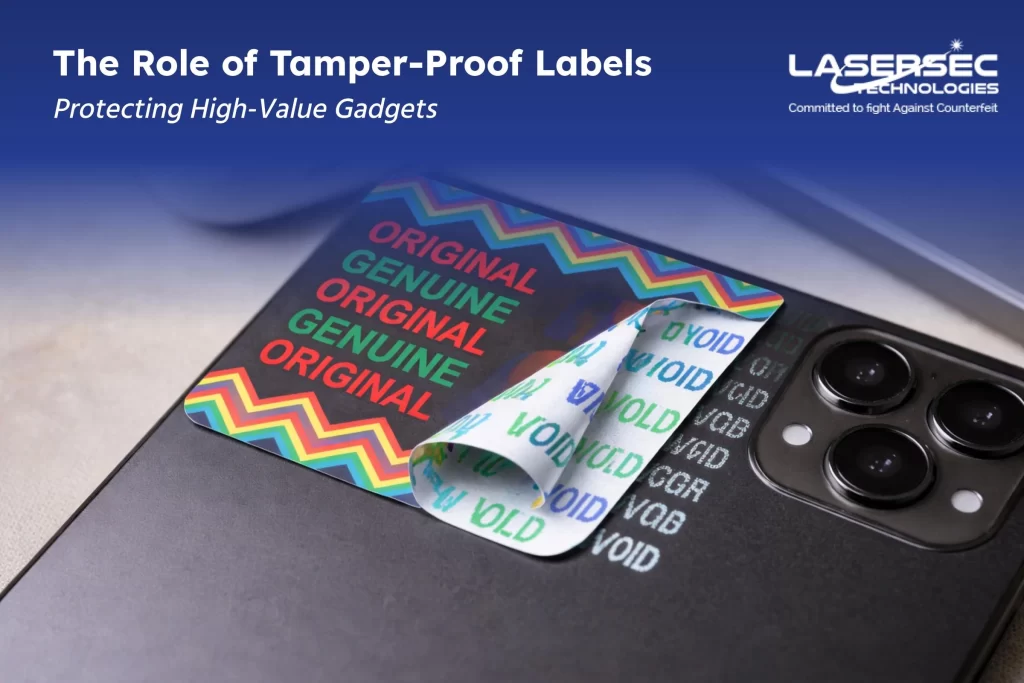
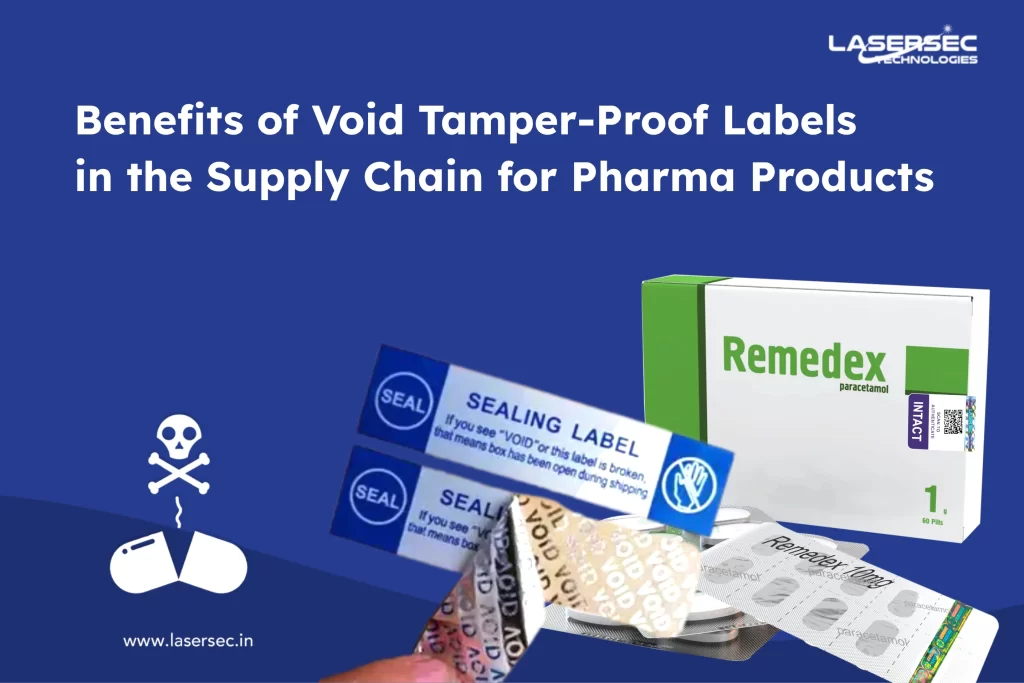
Tamper-proof labels serve as a first line of defense against unauthorized access and product tampering. By incorporating features like VOID markings or holographic elements, these labels make it evident when a package has been compromised. This transparency is crucial for maintaining the safety of pharmaceuticals, as it allows manufacturers and consumers to identify potentially harmful products.

2. Counterfeit Prevention

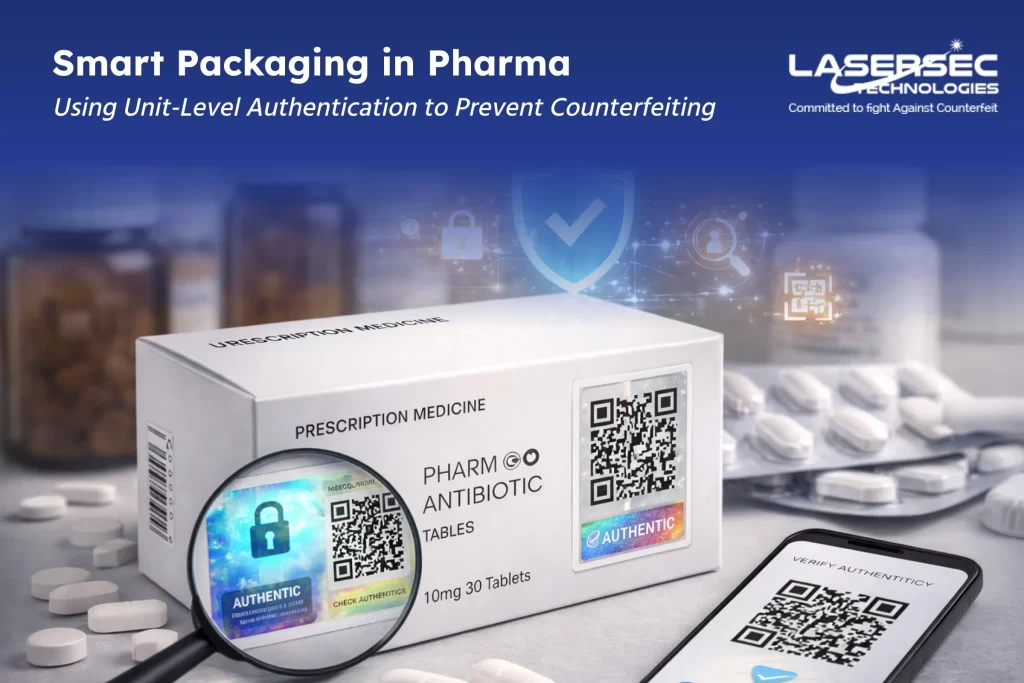
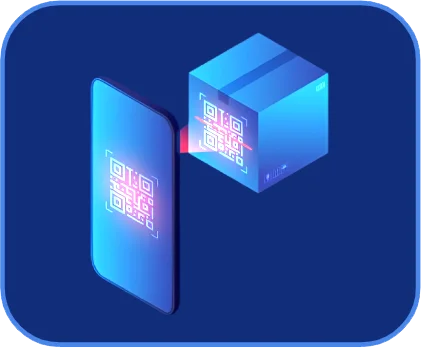
Counterfeit drugs pose a significant risk to public health and safety. Tamper-proof labels help combat this issue by providing a unique identifier for each product, which can be verified throughout the supply chain. By employing technologies like QR codes or RFID tags, companies can ensure that their products are authentic and traceable, thereby protecting their brand and consumers.

3. Regulatory Compliance

Compliance with stringent regulations is a necessity for pharmaceutical companies. Tamper-proof labels aid in meeting these requirements by providing a visible assurance that products have not been tampered with. This is particularly important for meeting guidelines set forth by regulatory bodies, which often mandate tamper-evident packaging to enhance consumer safety.

4. Improved Traceability

Traceability is a critical aspect of the pharmaceutical supply chain, especially when it comes to recalling products or investigating incidents. Tamper-proof labels enhance traceability by integrating tracking technologies that allow manufacturers to monitor the journey of their products from production to distribution. This capability not only aids in swift responses to safety concerns but also bolsters accountability within the supply chain.

5. Boosting Consumer Confidence

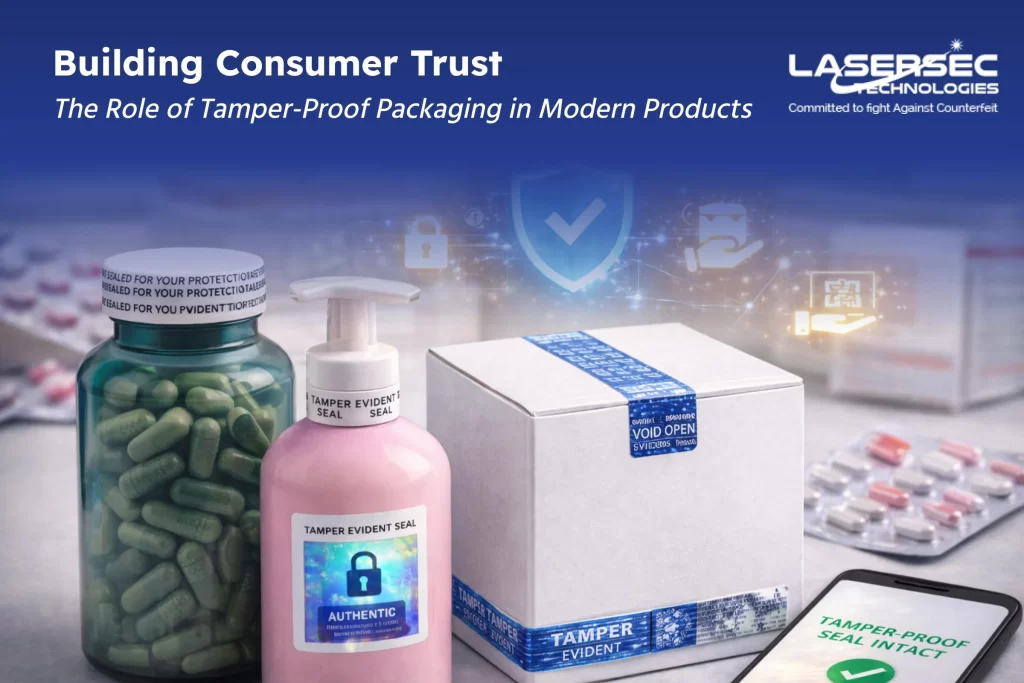
In today’s market, consumers are increasingly concerned about the authenticity and safety of the products they purchase. By utilizing tamper-proof labels, pharmaceutical companies can reassure consumers that their products are secure and trustworthy. This commitment to safety enhances brand reputation and fosters loyalty among customers.

As the pharmaceutical industry continues to evolve, the importance of tamper-proof labels in the supply chain cannot be overstated. By providing enhanced security, preventing counterfeiting, ensuring regulatory compliance, improving traceability, and boosting consumer confidence, these labels play a pivotal role in protecting both products and brands. Investing in advanced tamper-proof labeling solutions is not just a regulatory requirement; it is a strategic move towards safeguarding the integrity of the pharmaceutical supply chain.

Contact Us for a Consultation

Looking to customize blister foil solutions for your products? Our team at Lasersec Technologies is here to help! We specialize in providing tailored packaging solutions that meet your unique needs and enhance product security. Let’s work together to protect your brand and ensure the safety of your consumers.

If you are a manufacturer or business seeking smart packaging, look no further. Our team possesses the knowledge, experience, and expertise to help you find the best tailored solution.

Reach out today, and we will provide you with customized support for a smooth process. We are your one-stop solution to combat counterfeiting and create a secure environment for your business. With reduced counterfeiting, maintain sales and boost customer trust.

Stay proactive, stay vigilant, and invest in effective anti-counterfeit solutions for a counterfeit-free future.

About Lasersec Technologies

We are a leading manufacturer of holographic solutions designed to combat counterfeiting. Our dedicated R&D team continuously seeks innovative solutions, ensuring that all our offerings are original and free from external interference. With successful business alliances in Bangladesh, South Africa, Malaysia, Sri Lanka, Nepal, the United Kingdom, and across Europe, we are committed to enhancing product security worldwide.

You can reach us via email at mktg@lasersec.in or by phone at +91-9810213127.
Share :

Related Blogs

Phygital authentication technology enhancing brand security

Spotting a fake is easy — until it’s your brand on the line.

In today’s fast-paced digital marketplace, counterfeiters are smarter, faster, and more organized than ever. They replicate packaging, clone QR codes, and even build fake websites that mirror authentic ones.

Relying on a single layer of protection is no longer enough. What brands need today is a smarter, connected, and traceable defense system.

That’s exactly where Phygital Authentication steps in — a seamless blend of physical security and digital verification that ensures every product remains genuine, trackable, and trusted.

What Is Phygital Authentication?

The word “Phygital” combines physical + digital.

It’s the next evolution in brand protection and anti-counterfeiting technology.

Imagine combining:

  • Physical features such as holograms, tamper-evident seals, or unique labels, with
  • Digital tools such as secure QR codes, NFC tags, or blockchain links.

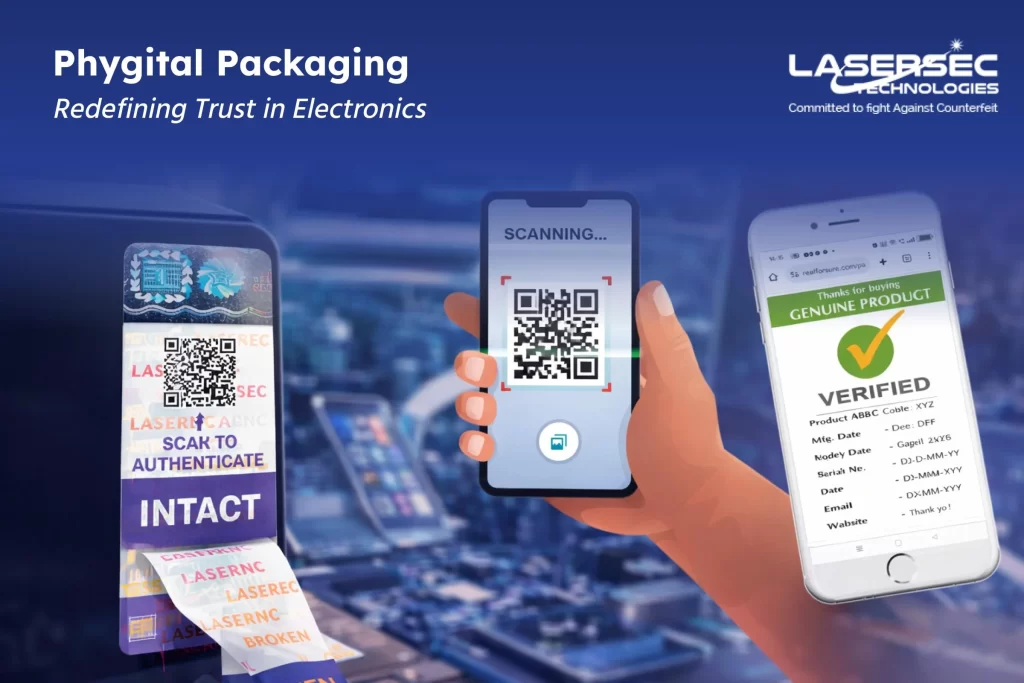
Together, these create a two-factor authentication system for products:

  • Physical layer: Provides instant, visible proof of authenticity.
  • Digital layer: Enables real-time online verification, tracking, and analytics.
This powerful combination makes verification intuitive, transparent, and nearly impossible to replicate.

Why Every Industry Needs to Go Phygital

Counterfeiting is no longer limited to luxury or pharma — it’s now a multi-industry threat. From FMCG and automobile parts to electronics and apparel, fake products infiltrate every market, damaging brand reputation and consumer trust.

  • A consumer could unknowingly buy a fake skincare product that looks identical to the real one.
  • A patient could receive a counterfeit medicine, risking serious health consequences.
  • A dealer might end up stocking duplicate machine parts, affecting equipment performance.

Phygital Authentication helps track products from factory to shelf, offering end-to-end supply chain visibility. It empowers brands to identify, trace, and stop counterfeit products — before they reach consumers.

The Power of Combining Physical and Digital Security

Phygital Authentication strengthens brand protection through dual assurance:

  • Physical identifiers (holograms, foils, tamper seals) → provide instant visual confirmation.
  • Digital identifiers (unique QR codes, serialized data, blockchain records) → enable live product authentication and data analytics.

Result: A powerful, tamper-resistant system that ensures authenticity, traceability, and accountability across the entire product lifecycle.

Each scan tells a story — one of trust, transparency, and technology working hand-in-hand.

Beyond Counterfeit Protection — Building Consumer Trust

Phygital Authentication isn’t only about protecting brands; it’s about creating genuine connections.

When customers scan a product and instantly verify its authenticity — or receive personalized information, rewards, or thank-you notes — it turns a simple purchase into an emotional experience. This sense of assurance and appreciation builds lasting loyalty and brand trust.

In an era of endless choices, trust isn’t optional — it’s your strongest advantage.

Future-Proofing Brand Protection

Counterfeiters are evolving — but so is technology.

Phygital Authentication ensures brands stay one step ahead with scalable, intelligent, and data-driven protection.

By merging physical security features with digital intelligence, brands unlock:

  • Real-time product traceability
  • Anti-counterfeiting analytics
  • Consumer engagement opportunities
  • Regulatory compliance support

This makes it not just a security solution — but a strategic investment in long-term brand integrity.

The future of anti-counterfeiting isn’t about choosing between physical or digital — it’s about merging both.

Phygital Authentication represents the next leap in brand protection, enabling businesses to:

  • Secure every product
  • Strengthen customer confidence
  • Ensure full supply chain transparency

How Lasersec Technologies Powers Phygital Authentication

At Lasersec Technologies, we integrate cutting-edge physical and digital security to deliver true Phygital Authentication. Our portfolio includes holographic foils, tamper-evident seals, dynamic QR codes, and track-and-trace systems — all designed to create a connected, secure, and transparent product ecosystem. Each solution is customized to meet your industry’s compliance needs while strengthening brand integrity and consumer trust.

Partner with Us to Build a Phygital Future

Whether you’re in pharma, FMCG, apparel, electronics, or automotive, Lasersec Technologies helps your brand stay ahead of counterfeit threats. Connect with us for a consultation or demo to experience how our Phygital Authentication  solutions can transform your brand protection strategy.

Combating Counterfeit Antibiotics-Packaging Innovations That Work in Tier-2 and Rural Markets

Imagine a patient in a small town buying antibiotics with hope for recovery, only to later discover the medicine was fake. This isn’t just a business challenge; it’s a human crisis that threatens lives and erodes trust in healthcare.

According to the World Health Organization (WHO), about 1 in 10 medical products in low- and middle-income countries is substandard or falsified, with antibiotics among the most commonly counterfeited. In India, this issue is especially severe in tier-2 and rural markets, where patients depend heavily on affordable medicines but have fewer tools to verify authenticity.

For domestic pharma companies with mass-market distribution, protecting these communities goes beyond compliance — it’s about safeguarding public health and protecting brand trust in the very markets where demand is highest.

Why Rural and Tier-2 Markets Face Bigger Risks

Medicines in rural areas often pass through long, complex distribution chains before reaching patients. With fewer regulatory checks, limited pharmacist training, and high demand for low-cost antibiotics, counterfeiters exploit every gap.

Why antibiotics?

  • They are the most prescribed medicines in rural India.
  • Counterfeit versions are easy to circulate undetected.
  • Fake or substandard antibiotics fuel antimicrobial resistance (AMR), making genuine treatments less effective.
The result: 
patients don’t recover, resistance spreads, and pharma brands lose credibility.

Practical Packaging Solutions That Work on the Ground

Domestic pharma leaders don’t need futuristic tech — simple, field-proven solutions can protect both patients and business in high-risk markets:

1. QR Codes for Instant Verification

With smartphone use now above 50% in tier-2 and rural India, secure QR codes allow patients and chemists to scan and confirm authenticity in seconds.

2. Scratch-to-Reveal Codes

A cost-effective feature where patients scratch a panel to uncover a one-time code, then send it via SMS for instant confirmation. Perfect for regions with poor internet but reliable mobile coverage.

3. Toll-Free Number Verification

For areas where smartphones are less common, patients can call a toll-free number, enter the pack code, and receive immediate confirmation.

4. Serialization & Track-and-Trace

For companies looking at scale, serialization (unique pack codes) with Track-and-Trace systems enables full supply chain visibility. While CDSCO already mandates serialization for exports, extending it domestically creates a powerful barrier against counterfeits.

Even the best packaging features work only if people know how to use them. Pharma companies can build trust by:

  • Printing clear calls-to-action on packs like “Scan to Verify” or “Scratch and SMS to Confirm.”
  • Training distributors, chemists, and field staff to explain features.
  • Partnering with health workers and pharmacist associations to promote safe buying practices.

What Pharma Companies Can Do Today

  • Adopt at least one low-cost anti-counterfeit feature suited to your market.
  • Train distributors and field teams to guide chemists on how to use these features.
  • Print simple instructions on every pack to drive patient adoption.
  • Monitor ground feedback and refine your packaging strategy over time.

Beyond Packaging: Partnerships Multiply Impact

Technology works best when paired with collaboration.

Pharma companies can:

  • Partner with local health workers to raise awareness.
  • Work with pharmacist associations to block counterfeit circulation.
  • Align with regulators like CDSCO — and globally with bodies like TGA and USFDA — to meet compliance while building consumer confidence.

Why Acting Now Matters

Counterfeiting in non-urban supply chains is no longer just a rural problem — it’s a nationwide risk. Ignoring it can result in regulatory challenges, lost market share, and, most importantly, lives lost.

By contrast, acting now with practical anti-counterfeit packaging creates an opportunity to:

  • Protect patients where they are most vulnerable.
  • Safeguard your brand in India’s fastest-growing pharma markets.
  • Position your company as a trusted healthcare partner at home and globally.
Because at the end of the day, packaging isn’t just about protecting a product — it’s about protecting people.

Moving Forward with Safer Packaging

At Lasersec Technologies, we help pharma companies design practical anti-counterfeit packaging solutions — from scratch panels and QR codes to serialization and Track & Trace.

Backed by compliance expertise and real-world field success, our goal is simple: to help you protect patients, build trust, and stay ahead of counterfeiters in both rural India and global markets.