








Lasersec Technologies

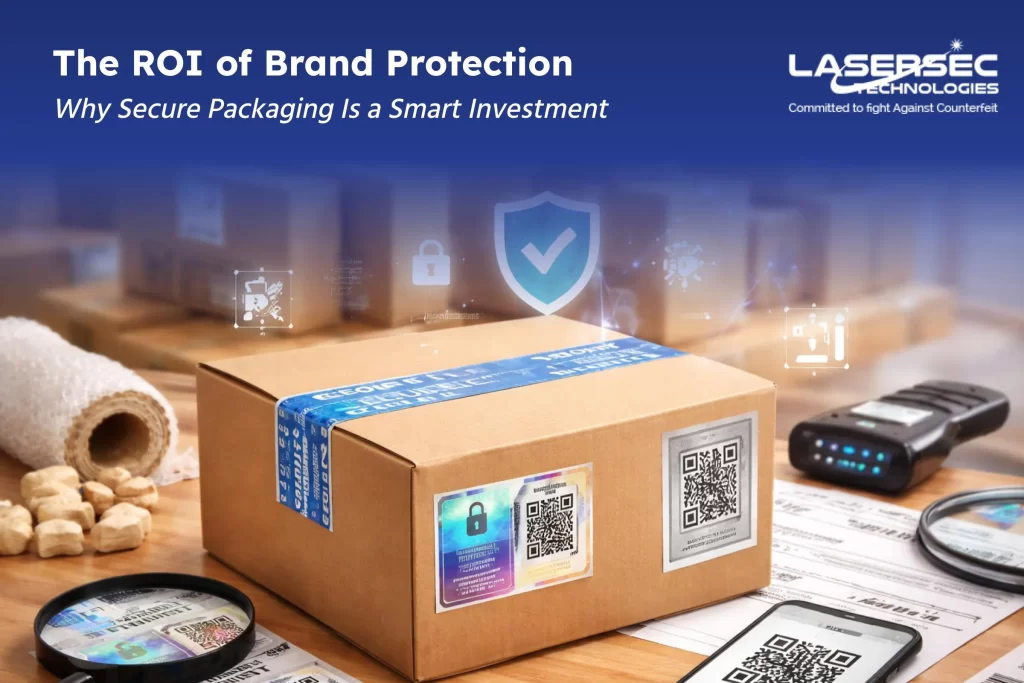
ROI of secure packaging showing cost savings and brand protection

For many manufacturers, brand protection is often viewed as a cost rather than an investment.

Security labels, holographic features, and authentication technologies may appear as additional expenses in packaging budgets. When production volumes are high and margins are tightly managed, companies sometimes question whether these protections are truly necessary.

However, the real cost of counterfeiting often becomes visible only after damage has already occurred.

Counterfeit products do not just affect short-term revenue. They can disrupt distributor networks, damage brand reputation, create regulatory complications, and erode customer trust. In some industries, counterfeit products can even pose serious safety risks.

This is why forward-thinking manufacturers increasingly treat secure packaging and brand protection technologies as strategic investments rather than operational costs.

When implemented correctly, secure packaging delivers measurable returns by preventing revenue loss, protecting brand value, and strengthening supply chain control using solutions like security hologram stickers and Track & Trace systems.

The Hidden Financial Impact of Counterfeit Products

Counterfeiting has become a global challenge across industries including pharmaceuticals, electronics, FMCG, automotive spare parts, and apparel.

While counterfeit products may look similar to genuine ones, their impact on legitimate manufacturers can be significant.

Common consequences include:

  • Direct loss of product sales
  • Price erosion due to counterfeit competition
  • Distributor conflicts in affected markets
  • Increased warranty claims or complaints
  • Customer distrust toward the brand

In many cases, counterfeit products also damage the brand’s long-term reputation.

Consumers who unknowingly purchase counterfeit products often associate poor quality or safety concerns with the original brand. Even if the manufacturer is not responsible, the perception of the brand can suffer.

These indirect costs are often far greater than the initial revenue losses caused by counterfeit sales.

Why Counterfeiting Damages More Than Just Revenue

When counterfeit products enter the market, the impact extends beyond lost sales.

Counterfeiting can create several operational and strategic risks for manufacturers:

  • Regulatory complications if counterfeit products violate safety standards
  • Distributor relationship conflicts when unauthorized products appear in protected markets
  • Loss of market control due to parallel trade or diversion
  • Damage to brand credibility among customers and retailers
  • Increased investigation and enforcement costs

In industries such as pharmaceuticals or food products, counterfeit goods can also pose serious safety risks to consumers.

When customers lose confidence in a brand’s authenticity, rebuilding that trust can take years.

For this reason, the financial impact of counterfeiting should be evaluated not only in terms of lost units, but also in terms of long-term brand damage.

How Secure Packaging Protects Product Authenticity

Secure packaging introduces protective features that make it significantly more difficult for counterfeiters to replicate genuine products.

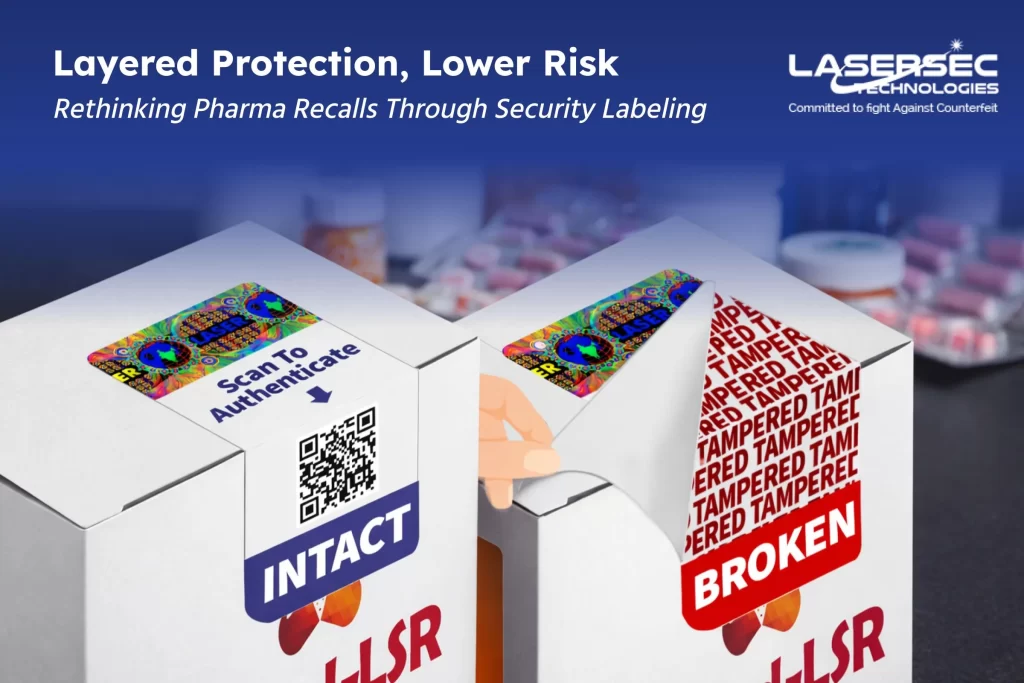
Instead of relying solely on standard labels or printed information, manufacturers can integrate anti-counterfeit packaging technologies directly into the product packaging.

These technologies may include:

Each of these elements strengthens the ability to verify whether a product is genuine.

When combined with authentication systems, packaging can provide unit-level product verification, allowing distributors, retailers, or consumers to confirm authenticity instantly.

The Business Value of Authentication and Verification Systems

Secure packaging becomes even more powerful when integrated with digital authentication platforms.

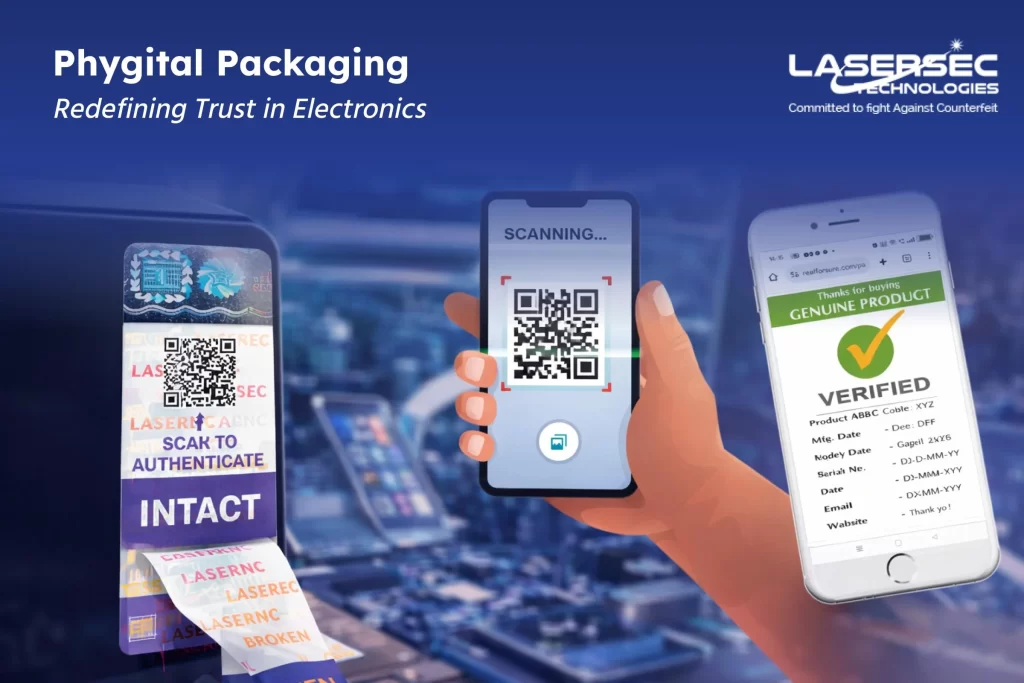
Authentication systems allow manufacturers to verify products through digital scanning technologies such as QR codes or serialization platforms.

This enables companies to:

  • Confirm whether a product is genuine
  • Detect duplicate or suspicious authentication attempts
  • Identify unauthorized product distribution
  • Track product movement across markets
  • Monitor potential counterfeiting activity
By transforming packaging into a verification tool, manufacturers gain better visibility across their supply chains using systems like Track & Trace technology.

This helps companies move from reacting to counterfeit incidents toward proactively preventing them.

Measuring the Return on Investment of Brand Protection

The return on investment (ROI) of brand protection comes from both prevented losses and long-term brand value protection.

Secure packaging investments help manufacturers recover value in several ways:

Revenue Protection

  • Prevents counterfeit products from capturing legitimate market share
  • Protects pricing integrity in key markets
  • Maintains revenue across authorized distribution networks

Brand Reputation Protection

  • Preserves customer trust in product authenticity
  • Prevents negative experiences caused by counterfeit products
  • Maintains brand credibility across markets

Operational Risk Reduction

  • Reduces supply chain disputes caused by diversion or parallel trade
  • Improves product traceability
  • Supports regulatory verification and inspections
When these factors are considered together, the financial value of brand protection often exceeds the cost of implementing secure packaging technologies.

Strengthening Supply Chain Control Through Secure Packaging

Manufacturers often lose visibility over products once they leave the production facility.

Secure packaging combined with authentication systems helps restore that visibility.

By enabling verification at different points in the supply chain through solutions like QR code authentication and Track & Trace systems, companies can:

  • Detect suspicious product movement
  • Identify unauthorized distributors
  • Monitor market-level product activity
  • Investigate potential counterfeit hotspots
This level of transparency strengthens supply chain control and allows manufacturers to respond quickly when irregularities appear.

How We Support Brand Protection Through Secure Packaging

At Lasersec Technologies, we provide advanced anti-counterfeit packaging solutions designed to help manufacturers protect their brands and products across global markets.

Our solutions integrate security features directly into packaging using technologies such as:

These technologies help manufacturers create reliable authentication systems that protect products throughout the supply chain. To explore industry-specific applications, visit ourIndustry Solutions Gallery.

Why Brand Protection Is a Strategic Business Investment

Counterfeiting continues to grow across industries, creating serious risks for manufacturers and brand owners.

Treating brand protection as an optional expense can expose companies to significant financial and reputational damage.

Secure packaging solutions provide a proactive approach to preventing these risks.

By combining anti-counterfeit packaging technologies with authentication systems, manufacturers can protect product integrity, strengthen market trust, and maintain control across their distribution networks.

In the long term, investing in secure packaging is not simply a cost of packaging. It is a strategic investment in protecting brand value, customer trust, and sustainable business growth.
Share :

Related Blogs

Tamper-proof seals on daily-use products ensuring safety and hygiene

A consumer picks up a bottle of cooking oil, a pack of biscuits, or a personal care product from a store shelf. Before checking the price or brand, there is a quiet, instinctive question:

Has this product been opened before?

In the FMCG sector, where products are consumed daily and often immediately, consumer trust is built in seconds. Tamper-proof seals play a decisive role in this moment. They provide visible proof of product safety, protect hygiene, and reassure consumers that the brand has taken responsibility seriously.

For FMCG brand owners, packaging professionals, and quality teams, tamper-evident packaging is no longer optional. It is a foundational element of consumer confidence and brand protection.

Why Tamper Evidence Is Critical in the FMCG Industry

Fast-moving consumer goods directly affect health, hygiene, and everyday well-being. Even a small doubt about product integrity can lead to immediate rejection.

Without effective tamper-proof packaging, brands face risks such as:

  • Loss of consumer trust at the point of purchase
  • Product rejection at first use
  • Brand damage amplified through social media and word of mouth
  • Regulatory and retailer compliance challenges

Unlike durable goods, FMCG products allow no margin for uncertainty. A broken seal, loose cap, or unclear opening mechanism can raise concerns about contamination, adulteration, or prior use.

Tamper-evident seals eliminate this uncertainty by providing clear, irreversible evidence of first opening.

What Are Tamper-Proof Seals and How Do They Work?

Tamper-proof seals are packaging features designed to make any unauthorized opening immediately visible and impossible to reverse without detection.

Common tamper-evident packaging mechanisms used in FMCG include:

Once opened, these mechanisms cannot return to their original state. This simple principle—open once, show forever—is what makes tamper-proof seals so effective for consumer safety and trust.

How Tamper-Proof Seals Reassure Consumers at the Point of Purchase

Consumers may not understand packaging technology, but they clearly understand visual safety cues.

Tamper-evident packaging reassures consumers by offering:

  • Immediate visual confirmation that the product is untouched
  • Clear break-to-open indicators signaling first use
  • A consistent safety experience across batches and retail locations

This reassurance is especially important in high-sensitivity FMCG categories such as:

  • Food and beverages
  • Dairy and edible oils
  • Personal care and cosmetics
  • Home hygiene and cleaning products
  • Baby care and wellness items
In these segments, visible packaging safety directly influences buying decisions.

Maintaining Product Safety and Hygiene Across the Supply Chain

From manufacturing facilities to retail shelves, FMCG products pass through multiple touchpoints. Tamper-proof seals act as a silent guardian throughout this journey.

They help brands:

  • Detect unauthorized access during transportation and storage
  • Prevent product substitution, refilling, or partial usage
  • Reduce contamination and mishandling risks
  • Maintain hygiene until final consumption
For quality assurance and compliance teams, tamper-evident packaging provides a built-in control mechanism—one that complements audits, inspections, and process controls.

Protecting Brand Reputation in a Competitive FMCG Market

Brand reputation in FMCG is fragile and hard-earned. A single safety incident—real or perceived—can undo years of trust.

Tamper-proof seals support brand protection by:

  • Demonstrating accountability and transparency
  • Reducing the risk of counterfeit or refilled products entering the market
  • Supporting regulatory and retailer packaging requirements
  • Reinforcing a brand’s commitment to consumer well-being

When consumers repeatedly experience sealed, safe, and reliable packaging, trust becomes habitual—and brand loyalty follows.

Tamper Evidence as a Brand Trust Signal

Modern consumers expect brands to anticipate risks, not react to them. Tamper-proof seals send a subtle but powerful message:

This brand has prioritised your safety before you even asked.

For packaging and brand protection leaders, tamper evidence goes beyond compliance. It becomes a visible signal of responsibility, quality, and care—values that increasingly influence consumer choice.

Building Consumer Confidence Beyond the First Use

Consumer confidence does not end at the point of purchase. It extends to the moment of opening, daily usage, and repeat buying decisions.

A well-designed tamper-proof seal ensures that:

  • The first interaction reinforces trust
  • Product safety expectations are consistently met
  • Consumers feel confident repurchasing the same brand
In a category defined by frequent replacement and intense competition, this consistency is what separates trusted FMCG brands from forgettable ones.

Final Thoughts: Small Seal, Lasting Impact on FMCG Brands

Tamper-proof seals may appear simple, but their impact on FMCG packaging security is significant. They safeguard product integrity, protect hygiene, support compliance, and—most importantly—build consumer confidence where it matters most.

For FMCG brands focused on long-term trust, safety, and sustainable growth, investing in effective tamper-evident packaging is not merely a regulatory step. It is a strategic decision that strengthens the relationship between the brand and the consumer—one seal at a time.

How Lasersec Technologies Supports Smarter Packaging Security

At Lasersec Technologies, we help FMCG brands strengthen consumer trust through tamper-evident andphygital packaging solutions that combine visible security with digital authentication. Our solutions integrate security holograms, tamper-proof labels, QR-based verification, and track-and-trace systems to protect products across the supply chain. Each deployment is designed to meet compliance requirements while reinforcing brand integrity and packaging reliability.

Partner with Lasersec Technologies for Trusted FMCG Packaging

From food and personal care to hygiene and wellness products, Lasersec Technologies works with FMCG brands to build packaging systems that consumers can trust at first glance. Connect with our team to explore how tamper-evident and phygital packaging can strengthen your brand protection strategy.

Tamper-evident packaging protecting cosmetic products from contamination

A consumer picks up a face cream, unscrews the lid, and pauses.

Has this been opened before? Has it been refilled, diluted, or contaminated?

In the cosmetics industry, this moment defines trust. Products are applied directly to the skin, lips, and eyes—leaving no margin for doubt. Today, brand reputation alone is no longer enough. Consumers, regulators, and retailers expect visible, verifiable safety at first interaction.

This is why tamper-evident packaging has evolved from an optional feature into a global safety standard for cosmetics brands.

What Is Tamper-Evident Packaging in Cosmetics?

Tamper-evident packaging is a packaging system designed to provide clear, irreversible visual evidence if a cosmetic product has been opened, altered, or compromised after manufacturing.

Once breached, tamper-evident features cannot be restored to their original state—ensuring consumers can immediately identify product integrity before first use.

Why Tamper-Evident Packaging Is Critical in the Cosmetics Industry

Cosmetics are inherently sensitive products. Even minor interference can result in:

  • Microbial contamination
  • Skin irritation or allergic reactions
  • Reduced product efficacy
  • Serious consumer safety risks

At the same time, cosmetic brands globally face rising exposure to:

  • Product refilling and reuse of original containers
  • Unauthorized opening during transit or retail handling
  • Counterfeit or diluted formulations entering grey markets
  • Increasing regulatory scrutiny on packaging integrity and labeling

Tamper-evident packaging directly addresses these risks by making interference immediately visible.

If a product has been compromised, the packaging itself communicates it—without instructions or explanation.

Common Tamper-Evident Solutions Used in Cosmetic Packaging

  • Tamper-Proof Seals : Applied on caps or closures, these seals break or tear irreversibly upon first opening. Once damaged, they cannot be resealed, clearly indicating prior access.
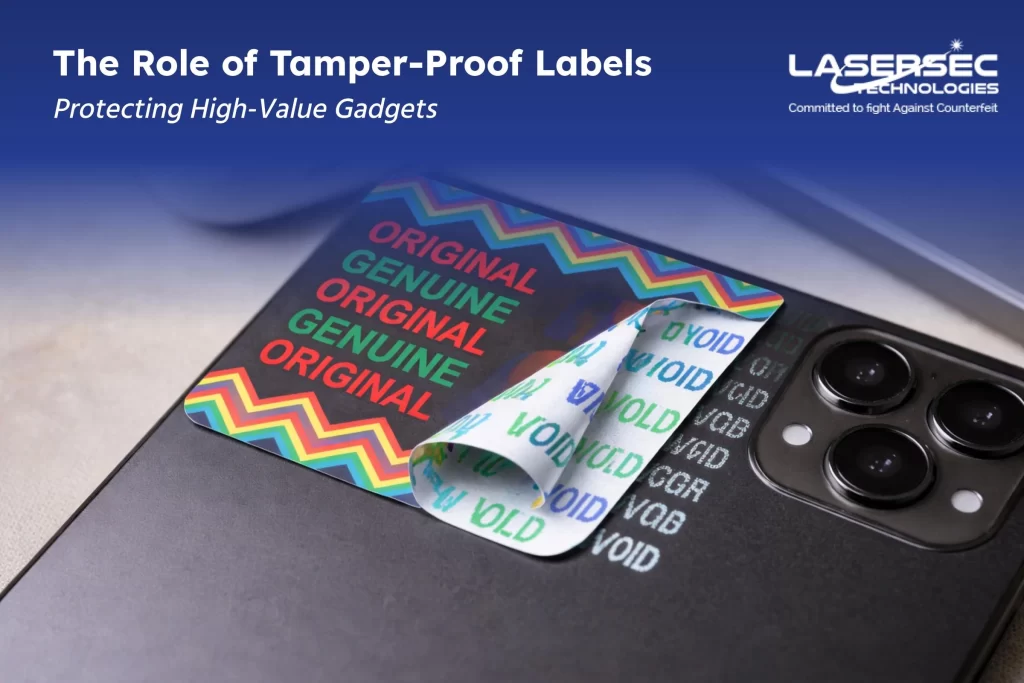
  • Void and Destructible Labels : Void & Tamper Proof Labels reveal a permanent message or pattern when removed. Destructive labels fragment on tampering, preventing reuse and eliminating the possibility of concealment.
  • Inner Seals and Liners : Placed beneath caps of creams, lotions, and serums, inner seals protect formulations from exposure while offering immediate visual assurance of freshness and safety.
These solutions are intentionally intuitive. Consumers instantly know whether a product is safe—without reading instructions or relying on assumptions.

How Tamper-Evident Packaging Builds Consumer Trust

Trust in cosmetics begins before texture, fragrance, or results. It begins with safety perception.

Tamper-evident features help brands:

  • Reassure consumers that the product is untouched
  • Reduce hesitation at the point of purchase
  • Strengthen confidence during first use
  • Reinforce a brand’s commitment to consumer well-being

For both premium and mass-market cosmetics, this visible layer of protection directly influences repeat purchases, reviews, and long-term loyalty.

Is Tamper-Evident Packaging Mandatory for Cosmetics?

While regulations vary by region, global regulatory bodies increasingly expect preventive packaging safety measures, especially for products applied directly to the body.

Tamper-evident packaging supports compliance with:

  • US FDA cosmetic safety and labeling expectations
  • EU Cosmetic Regulation (EC) No 1223/2009
  • ASEAN Cosmetic Directive (ACD)
  • Middle East and GCC cosmetic compliance frameworks

For quality assurance and regulatory teams, tamper-evident packaging demonstrates:

  • Proactive risk mitigation
  • Control over post-manufacturing interference
  • Audit readiness and quality accountability

It is no longer only about compliance—it is about responsibility.

Beyond Safety: Protecting Cosmetic Brand Reputation

A single compromised cosmetic product can undo years of brand trust.
Negative reviews, safety complaints, or regulatory actions often spread faster than corrective responses.

Tamper-evident packaging acts as a frontline brand protection mechanism by:

  • Reducing the likelihood of altered products reaching consumers
  • Limiting reputational damage caused by external supply chain manipulation
  • Protecting brands from liability linked to misuse or contamination
In an era of instant social proof and rapid information sharing, prevention is significantly more effective than damage control.

How We Support Cosmetic Brands with Tamper-Evident Solutions

We work closely with cosmetic manufacturers, packaging developers, and compliance teams to integrate tamper-evident packaging solutions that align with product design, regulatory requirements, and consumer expectations.

Our approach focuses on:

  • Selecting the right combination of seals, labels, and liners
  • Ensuring clear tamper visibility without disrupting aesthetics
  • Supporting scalability across global markets and SKUs
Explore our range of tamper-evident holographic labels designed for sensitive consumer products.

By embedding protection directly into the packaging journey, we help cosmetic brands strengthen safety, consistency, and trust—quietly and effectively.

The Future of Cosmetic Packaging Safety

As consumer awareness rises and regulations continue to evolve, tamper-evident packaging will increasingly define responsible cosmetic brands.

It is no longer a secondary feature.
It is a signal of integrity, accountability, and commitment to consumer safety.

For cosmetics—where trust, safety, and experience intersect—tamper-evident packaging sets the standard that consumers now expect and remember.