








Lasersec Technologies

Counterfeiters are all over the field, and they are not leaving any business untouched. It hurts business most in this regard, is the automobile industry for more than one reason. Since its inception, the counterfeit practice has grown to become nearly equal to that of the original in many aspects.

So much so, any authorized dealer will tell you how much loss they incur because somewhere in the supply chain, the counterfeiters enter the scene and complicate the situation. More importantly, little administrative intervention or attention has been given in this regard.

Society of Indian Automobile Manufacturers or SIAM has a staggering statistics for everyone- as much as 47 percent of the total aftersales market is full of counterfeits. It amounts to somewhere roughly between 4,400 crores to 6,300 crores. Given that the total export amounts to 55,300 crores, which is a hefty amount given away to the fake dealers. Surely, it needs to stop, and it must start with counterfeit parts problem.

Fake parts are the biggest possible compromise made in this regard, but not anymore. Not only fake parts cause trouble for the market with the breakdown of customer trust, but it costs a good sum of revenue which makes it no less than a criminal offense.

Locating The Areas Of Concern

Since automobile industry is an extensive network spread across the country, it becomes difficult to track down the fake parts dealers. The dangerous liaisons between the dealers and counterfeit manufacturers are most prominent in small towns and metros. In a country as big as India, it is nearly impossible to trace the unregistered and unorganized channels, street-side vendors who sell from fly-by-night shops and self-proclaimed mechanics.

The problem is so big in the unorganized sector that local auto markets thrive on this practice to expand themselves and often gains legitimacy among certain people because they are cheap alternatives. Hence, the resistance against this has to be twofold.

First, one needs to hunt down these parasitic practices by locating their sources one by one. Secondly, the need to educate dealers and customers is more than ever nowadays. Only by simultaneously addressing these two problems is it possible to curb this growing menace. Another complaint that is often heard is that there is a little availability of original parts in distant places so cheaper and counterfeit alternatives become the order.

Fighting A Growing Concern By Law

Often, the natural assumption in this regard is that fake products are only for smaller brands since big names are not so pervasive. However, you will be surprised that names like BMW and Mercedes-Benz have a vast number of fake parts circulating all around India. In fact, while an original Mercedes-Benz product bears a code, a hologram, and the perfect ring, customers often don’t know how to differentiate the original from the fake.

More importantly, Mercedes has only 26 authorized showrooms across India, but most customers don’t know that, and they end up falling for fake products. It is only the tip of the iceberg to be honest since there are more such practices like this for many other brands.

The most problematic aspect of this practice is that these parts undergo no tests so they can break down any moment. Once fake parts are used, the lifespan of these parts get reduced, and it survives for lesser days. So begins the vicious cycle until one day, your car succumbs to a terrible accident. Obviously, there is a Trade Marks Act, 1999 that states a fine ranging from 50,000 to 2 lakhs for anyone who engages in such practice along with a possible jail time up to three years. But, that hardly seems to deter the practices.

Customers Are The Greatest Force

While it is evident that laws are rarely implemented, and there are plenty of loopholes in the system, the most considerable force of resistance can come from the consumers themselves. Smaller parts such as clutch plates, brake liners are often the easiest to copy and also, hardly detectable. Hence, such practices start from this level and then advances till it absorbs everything. Already, numerous players have come forth in this regard to educate the uninitiated about the intricacies of this fake network. Almost all companies would tell you that their customers are often clueless about brand design and holograms, but they never say anything about the fraudulent practices. Hence, brands have understood that they need to

Almost all companies would tell you that their customers are often clueless about brand design and holograms, but they never say anything about the fraudulent practices. Hence, brands have understood that they need to mobilize customers from all fronts by handing them guidebooks or giving them interactive lessons regarding the practice.

Often, customers think that counterfeit parts are cheap and it does not burn a hole in their pocket. But, they are playing with their and others’ lives without realizing it. This practice can only stop when the customers are given lessons on how fake parts look and what fake parts can do to your car. An awareness campaign, needless to say, is the need of the hour.

Fighting It Together

By joining hands with customers, automobile brands need to ensure that the dealers should also understand the dangers of this problem. Brands need to be stringent regarding this too. They need to blacklist dealers who are continuing this practice knowingly and warn the dealers who inadvertently engaged in it.

Moreover, each brand must note the fake brands that try to replace them and update their database accordingly. They should share their database with dealers as well as customers so that the clients don’t fall for them while buying. When a customer comes to buy a car, then it is imperative to teach him the basic lessons of counterfeit practices. Flimsy packaging, unclear colours, and fonts are hallmarks of such practice.

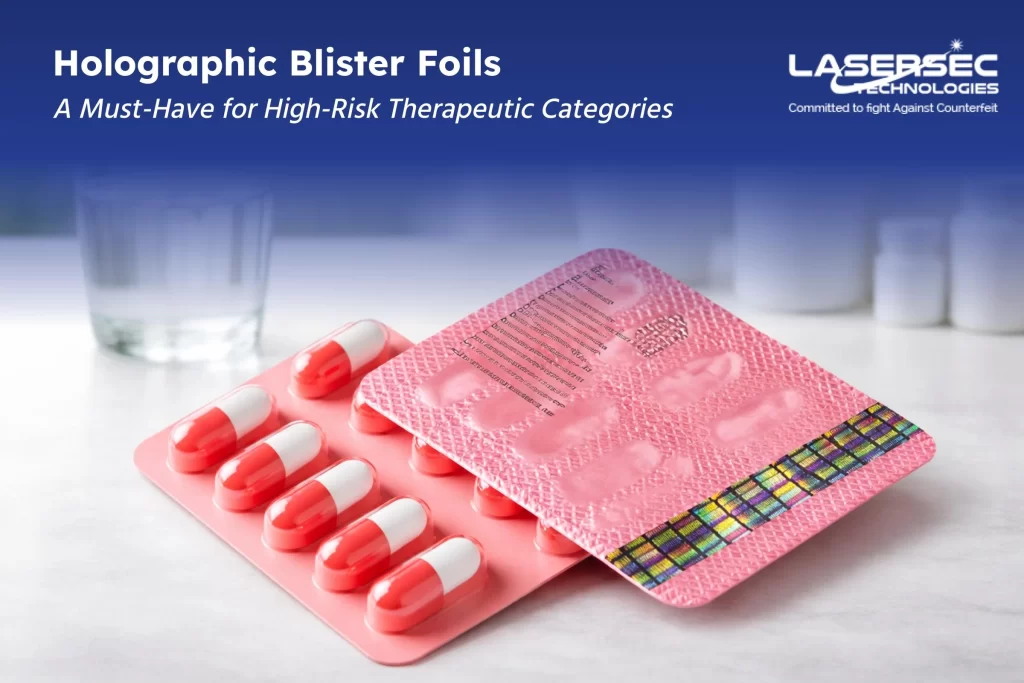
Nowadays, all big names have started implementing the holographic labels of their own to assure the customer of its genuineness. It is a commendable practice since holograms are the easiest way to tell a client that he or she can buy it without facing safety hazards. Only a combined effort from all quarters can defeat the octopus called counterfeit parts practice.

Share :

Related Blogs

Customizing Anti-Counterfeit Solutions for High-Risk Markets

You’ve secured your product.
You’ve set up authentication.
But somehow, fakes are still slipping through—especially in markets like India, Africa, and Latin America.

Why?

Because one-size-fits-all protection doesn’t work in a world where every region plays by different rules.

In high-risk markets, the threats aren’t just common—they’re constantly evolving. For global brands, the key isn’t just stronger protection. It’s smarter, localized protection that meets people where they are.

Your brand may be global, but the challenges you face aren’t:

  • India – Counterfeit medicines often enter through informal supply chains in semi-urban and rural regions.
  • Africa – Fake electronics and unauthorized imports disrupt trusted retail networks, often due to weak enforcement.
  • LATAM – Counterfeit FMCG products share shelf space with genuine ones, confusing customers and weakening trust.

Each region needs more than just a label or code—it needs context-aware solutions that align with how local consumers buy, verify, and trust.

You care about your product. Your customers should feel that—whether they’re in a remote village or a bustling market.

A generic solution may look good on paper, but in practice, it often fails:
1. Assumes strict enforcement exists everywhere (it doesn’t)
2. Relies on stable internet (not always available)
3. Expects every consumer to understand how to verify (many don’t)

If your strategy doesn’t meet local realities, it can’t truly protect your product—or your promise.

Real Protection, Tailored for India, Africa and Latin America

In India’s semi-urban and rural areas, simplicity is key.

  • A breakable seal, paired with a GS1-compliant scannable QR or SMS code, allows patients to verify authenticity in seconds—even without an app.
  • Pharmacies use a lightweight Track & Trace dashboard to log stock movement and report suspicious entries instantly.
  • Multilingual alerts ensure the system works for non-English speakers.

Africa’s mobile-first environment presents unique opportunities:

  • Brands use scratch-off serial codes verified through WhatsApp—no separate app or internet login required.
  • Distributors are equipped with basic handheld scanners or mobile verification tools to validate products at every checkpoint.
  • Real-time alerts flag suspicious batches, enabling fast containment.

In Latin America’s open markets, brand trust is everything:

  • Products carry tamper-evident labels embedded with dynamic QR codes that offer rewards or authenticity tips upon scanning.
  • Customers can instantly check if a product is genuine while engaging with the brand.
  • Campaigns create awareness, making verification part of the everyday purchase habit.

What Should You Be Asking?

  • What’s really happening in each of your key markets?
  • Are you protecting your riskiest product lines first?
  • Can your end customer easily verify your product?
  • Do your tools adapt to local behaviors and tech access?

If you’re unsure—it’s time to rethink the approach.

The Difference It Makes

  • Fakes drop where protection fits the environment
  • Consumers feel seen and empowered
  • Local teams feel equipped, not overwhelmed
  • Your brand stays respected and trusted, even in tough markets

This isn’t about spending more—it’s about spending smarter.

When your anti-counterfeit strategy aligns with real market conditions, you do more than block counterfeiters—you build long-term trust.

Because in the end, effective protection isn’t just a technical system.
It’s a message: We understand your market. We respect your safety.

At Lasersec Technologies, we design region-specific anti-counterfeit solutions that blend holographic security, track & trace, and phygital engagement tools. From SMS-based verification to WhatsApp-integrated checks, we help global brands stay a step ahead—with no guesswork.

How Tamper Evident Packaging and Track & Trace Strengthen Anti-Counterfeiting Measures

You trust the seal. So does your customer.
But what if both can be faked?

In today’s hyper-competitive and counterfeit-prone market, trust is no longer a given—it must be earned, secured, and verifiable. One compromised product doesn’t just mean financial loss. It means broken trust, customer complaints, and reputational damage.

For quality assurance teams, brand managers, and packaging heads, the challenge is clear: protecting your product is protecting your brand.

The Dual-Layer Security Model

Forward-thinking brands are now adopting a two-pronged security approach: Tamper-Evident Packaging + Track & Trace Technology
One is a physical deterrent. The other is a digital watchdog. Together, they form a resilient shield against fraud.

1. What These Tools Actually Do

Tamper-Evident Packaging

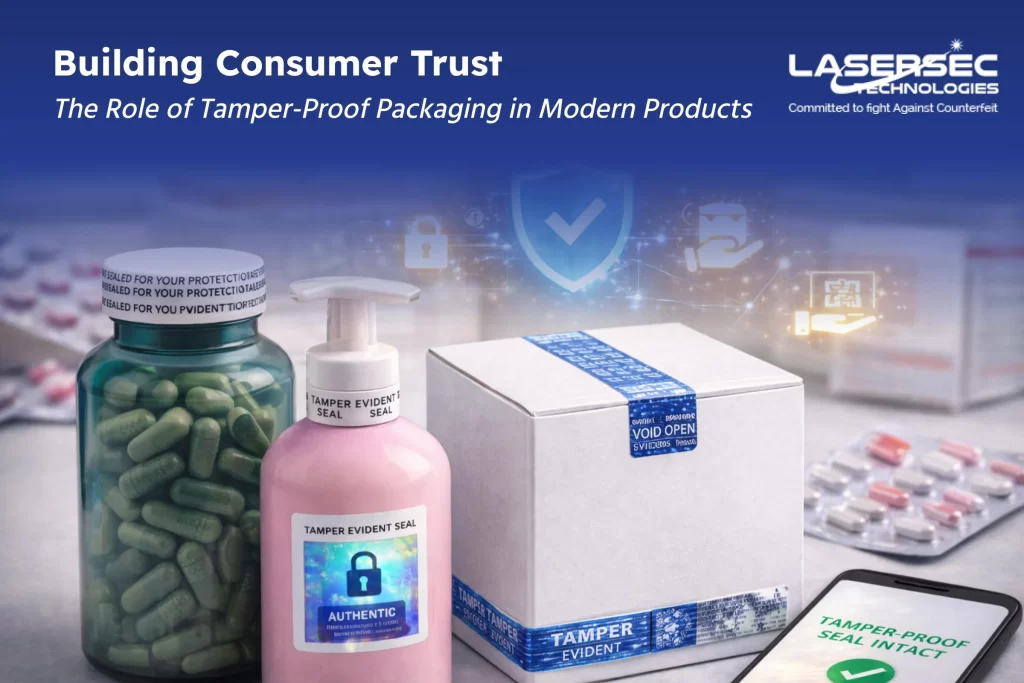
These packaging elements display clear signs of interference.
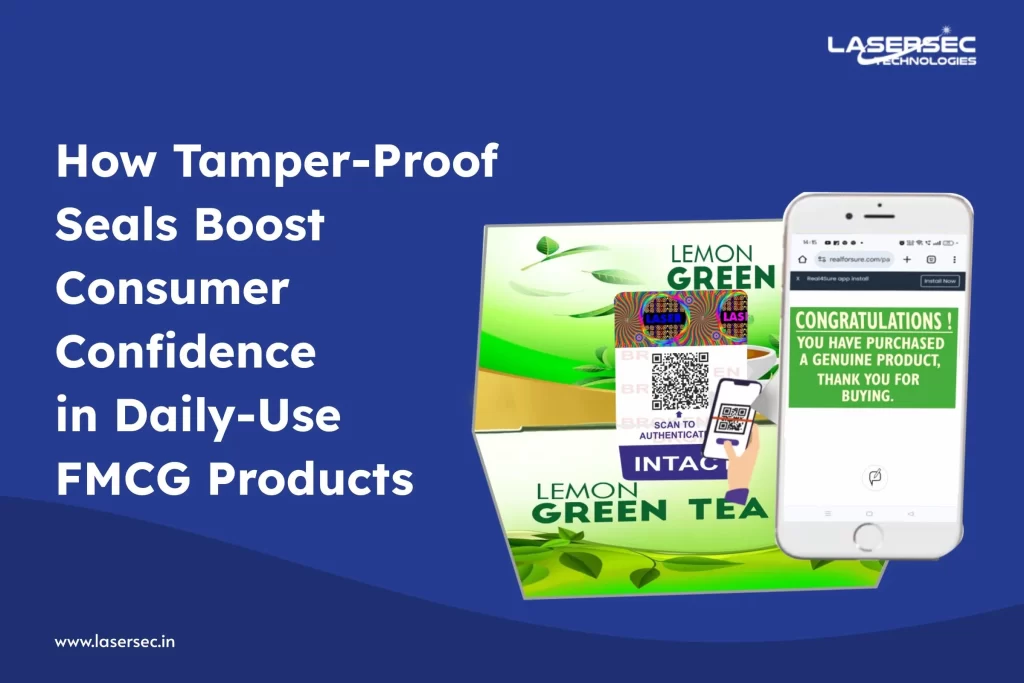
Think broken seals, VOID labels, or peeled films—immediate red flags for both consumers and supply chain teams.

2. Track & Trace Systems

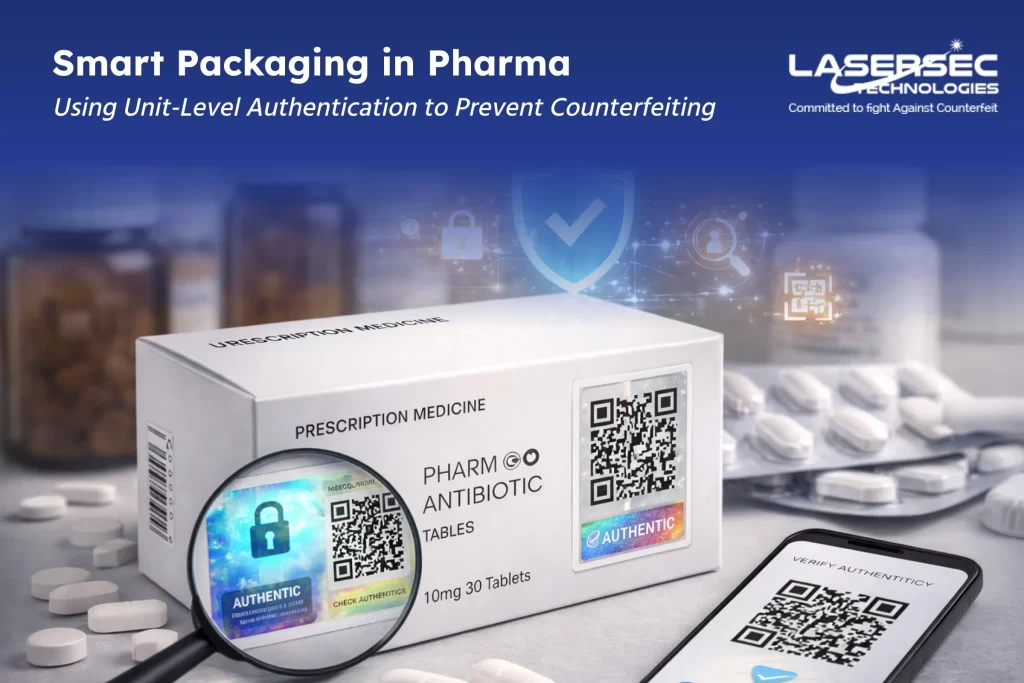
Every unit is assigned a unique serialized identity, often through GS1 barcodes or QR codes.
Each scan updates the unit’s journey from production to retail, enabling full traceability and real-time monitoring through secure platforms.

Bonus: Advanced T&T systems now integrate with cloud-based dashboards, AI-based alerts, and mobile authentication tools.

Relying on only one method is like locking your front door but leaving the windows wide open.

  • Tamper seals can be replicated.
  • Digital codes can be copied.

But when combined:
Physical evidence + Digital validation = A failsafe authentication system that’s far harder to breach.

Real Time Impacts

  1. Pharmaceuticals: A sealed pack and a scannable QR code validate medication at the pharmacy. Brands using serialization aligned with DSCSA/EU FMD have reduced counterfeit reports and met compliance faster.
  2. Electronics: With encrypted QR codes and tamper seals, brands can detect unauthorized resellers and trace diversion to the source. Less warranty fraud and tighter market control.
  3. FMCG & Personal Care: A beauty brand added tamper-evident seals and scannable codes after fake products emerged online. 38% drop in complaints, increased repurchase rates, and renewed customer trust.

Why This Approach Works

  • Visible Proof:
    Customers know if the product has been tampered with.
  • Digital Traceability:
    Brands know exactly where and when a breach occurred.
  • Rapid Response:
    Identify and contain supply chain risks in real time.
  • Compliance-Ready:
    Stay ahead of evolving global regulations.
  • Brand Loyalty:
    Build trust through transparency, safety, and action.

You don’t need a massive overhaul.

Start small like:

  • Apply tamper-evident holographic labels to premium or high-risk SKUs.
  • Add QR codes connected to a secure backend system.
  • Educate your distributors and customers on scanning and verification.

Then, scale as your confidence and ROI grow.

Your Packaging Is More Than a Box

It’s your handshake, your promise, your presence in places you can’t be.

With tamper-evident packaging and track & trace working in tandem, your packaging becomes a:

  • Silent Guardian
  • Smart Communicator
  • Powerful Brand Asset

Let’s Build Smarter, Safer Packaging – Together

At Lasersec Technologies, we specialize in merging physical security with digital intelligence. Our solutions are tailored for pharma, electronics, FMCG, automotive, and consumer brands looking to stay ahead of counterfeiting risks.